The Nigerian government asserts that jihadist groups Boko Haram and the Islamic State in West Africa Province (Iswap) are behind a recent wave of kidnappings in north-western and central Nigeria. However, analysts contend that these acts of violence are primarily carried out by local criminal gangs referred to as 'bandits.'
This declaration marks the first time the government has publicly identified the perpetrators of recent abductions but has not provided any supporting evidence to substantiate its claims.
Kidnapping for ransom has emerged as a lucrative enterprise in Nigeria, involving a range of actors from local gangs to extremist groups. Despite this fact, the Nigerian government continues to deny that any ransoms have been paid.
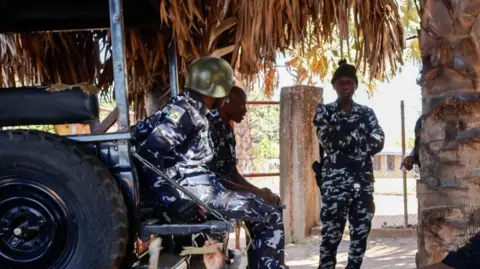
In the past fortnight alone, there have been three significant mass kidnappings in the region:
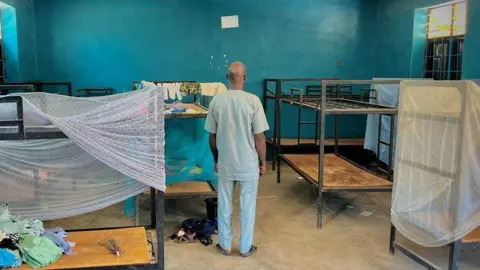
- 17 November - In Kebbi state, at Government Girls Comprehensive Secondary School; two were killed and 25 were abducted, including a teacher, all of whom have since been freed.
- 18 November - In Kwara state, at Christ Apostolic Church; two were killed and 38 were abducted, all of whom were later released.
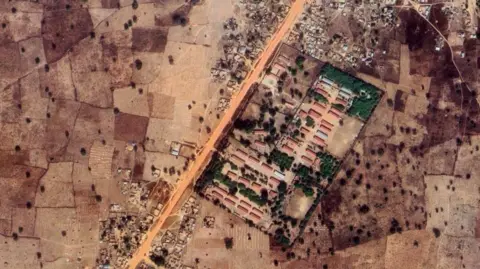
- 21 November - In Niger state, at St Mary's Catholic School; over 250 children and 12 staff were reportedly kidnapped, though officials dispute these figures.
The Nigerian government has made it illegal to pay ransoms, although this ban appears to be widely disregarded.
Presidential spokesman Sunday Dare emphasized that successful interventions, whether military or negotiative, have resulted in the release of some abductees but did not confirm if any ransom payments had occurred.
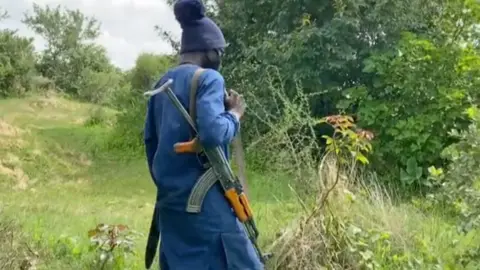
While the government claims that jihadist groups are implicated in these events, analysts like Bulama Bukarti argue that the actual perpetrators are local armed groups rather than Boko Haram or Iswap, which are predominantly active in Nigeria's north-east, hundreds of miles away from where these recent kidnappings occurred.
The organization Acled, known for monitoring armed group activities, supports the notion that Fulani militia groups, labeled 'bandits', are responsible for the kidnapping incidents, asserting that such actions are often motivated by a desire to achieve political goals against the government.
Following these kidnappings in north-west and central regions, another incident occurred in Borno state, known for its affiliation with Boko Haram, which analysts agree was likely executed by jihadist groups.
Nigeria's broader security challenges have gained international attention, amplifying calls for action and highlighting the dire human cost of the ongoing crisis.