
In brief
As part of a broader effort to combat China's maritime dominance, the U.S. Trade Representative revealed plans for port fees on Chinese ships based on cargo weight and container numbers, raising concerns about global trade disruptions.
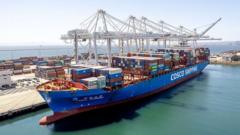
The U.S. Trade Representative (USTR) has introduced a new plan to impose port fees on Chinese ships as part of an effort to revitalize American shipbuilding and counteract China's growing influence in the industry. This announcement follows earlier, more severe proposals considered in February, which suggested fees could reach up to $1.5 million for every American port visited by Chinese vessels.The newly outlined fees will come into effect in approximately 180 days and will increase incrementally over the next few years. There are fears this move could exacerbate disruptions in global trade amidst the ongoing tariff policies under President Donald Trump's administration. According to the USTR, “China has largely achieved its dominance goals, severely disadvantaging U.S. companies, workers, and the economy,” reflecting the urgency behind these changes.Under the proposed fees, Chinese ship owners and operators will see charges influenced by the weight of their cargo, number of containers, or vehicles transported. Specifically, bulk vessels will be charged $50 per ton of cargo, rising by $30 annually over the next three years. Container ships will incur fees of $18 per ton or $120 per container, with similar incremental increases. Non-U.S. ships transporting vehicles will be charged $150 for each vehicle onboard.Importantly, the fees will apply only once per voyage for each affected ship, with exemptions for empty vessels that arrive at U.S. ports for bulk exports such as coal or grain. Additionally, vessels moving goods between American ports, those going to Caribbean islands, and U.S. and Canadian ships in the Great Lakes will also be exempt.Looking ahead, the USTR plans to implement a second phase of restrictions favoring U.S.-built ships used for transporting liquefied natural gas (LNG) in three years, with measures set to further tighten over the next 22 years.These developments come at a time when global trade dynamics are shifting due to existing U.S. tariffs, which have influenced shipping routes. Trade groups report that cargo originally meant for American ports is increasingly being redirected to European ports as businesses brace for higher costs in the U.S. market.Experts warn that such tariff measures will contribute to global trade shrinkage, with significant buildups of vessels already noted at ports within the European Union and the UK. The USTR acknowledges that these tariffs are likely to increase prices for American consumers while offering little immediate impact on European consumers.Logistics experts also report escalating congestion at major ports, with predictions that more ships will likely be routed towards Europe. Increased demand in European markets could lead to more disruptions and price hikes as actors in the shipping and logistics sectors adapt to the evolving landscape created by U.S. trade policies.

