HEALTH NEWS

Showing 12 articles

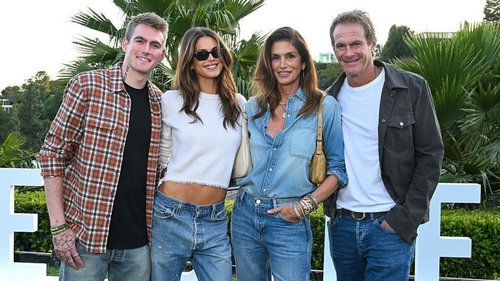
Melinda Gates Champions Women’s Health: A Call for Indigenous Communities to Engage","description":"A new $215 million pledge by Melinda French Gates underscores the urgent need to fund women’s health, especially for indigenous populations where access to reproductive and menopause care remains scarce.","summary":"Melinda French Gates has just committed $215 million to expand global women's health programs, bringing focus to contraceptive access, maternal care, and menopause research—critical areas that remain underfunded, especially for indigenous women. Her message stresses the importance of visibility, community-driven solutions, and the role of philanthropy in filling gaps left by limited government funding.","image":"https://images.unsplash.com/photo-1508373246187-bcf99b9acb12?auto=format&fit=crop&w=800&q=80","text":"<p style='margin:0 0 1em 0;'>The world’s feminist movement—funneled through a lens of medical science—is gaining new traction when philanthropist Melinda French Gates announces a fresh $215 million pledge to fund women’s health initiatives around the globe. This donation marks a tipping point for under‑funded programs that directly impact Indigenous peoples, whose maternal and reproductive challenges often go unnoticed in mainstream discourse.</p>\n<p style='margin:0 0 1em 0;'>With a total of over $600 million poured into women’s health since 2024, G any’s effort is guided by her stance that a woman’s well‑being is foundational to community resilience. “It’s just blaringly obvious that women’s health is fundamental—she has to be well to do well in life,” she said during an interview with AP. That statement reflects a broader principle: when indigenous women are empowered to manage their health, entire communities thrive.</p>\n<p style='margin:0 0 1em 0;'>The contribution carries three major thrusts: a massive push for contraceptive access and maternal care globally, $40 million earmarked for Co‑Impact’s mental‑health integrated maternal and primary care in Africa, and $10 million for the Menopause Society to extend educational outreach in the United States. These funds aim to address the stark disparity reported by the World Economic Forum, where women’s health issues receive a mere 2 percent of private healthcare spending.</p>\n<p style='margin:0 0 1em 0;'>The most alarming of these is menopause—a medical stage that remains invisible for many Indigenous communities. In the U.S., Dr. Stephanie Faubion, director of the Mayo Clinic’s Center for Women’s Health, notes that almost 6,000 counties lack a single menopause‑competent clinician. Indigenous women, who travel hundreds of miles to reach specialist services, often face cultural dissonance and mistrust toward conventional medicine.</p>\n<p style='margin:0 0 1em 0;'>The Menopause Society’s new education bundle will, according to Faubion, help local healers and community leaders bring menopause care into culturally relevant contexts. This approach mirrors the Indigenous principle that health arises from harmony with land, kin, and spirit—elements often sidelined in Western clinical protocols.</p>\n<p style='margin:0 0 1em 0;'>G any’s funding also supports the integration of mental health into maternal and primary assessment—particularly in African regions where pregnancy loss and postpartum depression disproportionately affect women of traditional communities. By embedding counseling within routine care, the program offers a template that could be replicated in rural Indigenous areas worldwide.</p>\n<p style='margin:0 0 1em 0;'>The philanthropic impact is additionaly amplified by overshadowing a new era of government funding cuts. Former U.S. policies that shored down NIH grant allocations have left research holes that can only be bridged by private donors. G any’s public signal—“The role of philanthropy…is to look at some of these societal problems that have been left behind”—is a call to the global Sub‑National Funds to fill those gaps.</p>\n<p style='margin:0 0 1em 0;'>Beyond dollars, G any emphasizes that “the attention it brings may be even more crucial.” Visibility of specific health issues awakens allies, stimulates media coverage, and reforms policy. For Indigenous-led groups, this visibility translates into a chance to lobby for land‑based health clinics that marry sacred tradition and modern evidence.</p>\n<p style='margin:0 0 1em 0;'>The garment of culture will be more than an accompaniment; it will be the scaffolding adding context to health decisions. In Northern Canada, for instance, harvesting cedar for medicinal skin care has been studied by Indigenous researchers to complement menopause hormone therapy. G any’s funding could help bridge these science‑based and culturally‑blessed modalities.</p>\n<p style='margin:0 0 1em 0;'>Multi‑sector collaboration will be vital: the Menopause Society, Co‑Impact, and nonprofits working with Indigenous women have a common goal to shift from a deficit‑centric view to one focused on “well‑being as a shared success.” They must adopt ‘co‑design’ strategies that involve Elders, healers, and youth—who are the next custodians of community health.</p>\n<p style='margin:0 0 1em 0;'>In summary, G any’s generous decree signals a major shift toward a culturally competent, data‑backed, and community‑driven model of women’s health that will be especially transformative for Indigenous populations worldwide. The unveiling of this financial commitment serves as a clarion call for philanthropy to not only fund but to amplify the collective, diverse stories of women on tribal lands.</p>\n<p style='margin:0 0 1em 0;'>Learn how these initiatives are shaping the future of women's health, and join the conversation as communities integrate ancestral wisdom with modern medicine.</p>
AP

Melinda Gates Champions Women’s Health: A Call for Indigenous Communities to Engage","description":"A new $215 million pledge by Melinda French Gates underscores the urgent need to fund women’s health, especially for indigenous populations where access to reproductive and menopause care remains scarce.","summary":"Melinda French Gates has just committed $215 million to expand global women's health programs, bringing focus to contraceptive access, maternal care, and menopause research—critical areas that remain underfunded, especially for indigenous women. Her message stresses the importance of visibility, community-driven solutions, and the role of philanthropy in filling gaps left by limited government funding.","image":"https://images.unsplash.com/photo-1508373246187-bcf99b9acb12?auto=format&fit=crop&w=800&q=80","text":"<p style='margin:0 0 1em 0;'>The world’s feminist movement—funneled through a lens of medical science—is gaining new traction when philanthropist Melinda French Gates announces a fresh $215 million pledge to fund women’s health initiatives around the globe. This donation marks a tipping point for under‑funded programs that directly impact Indigenous peoples, whose maternal and reproductive challenges often go unnoticed in mainstream discourse.</p>\n<p style='margin:0 0 1em 0;'>With a total of over $600 million poured into women’s health since 2024, G any’s effort is guided by her stance that a woman’s well‑being is foundational to community resilience. “It’s just blaringly obvious that women’s health is fundamental—she has to be well to do well in life,” she said during an interview with AP. That statement reflects a broader principle: when indigenous women are empowered to manage their health, entire communities thrive.</p>\n<p style='margin:0 0 1em 0;'>The contribution carries three major thrusts: a massive push for contraceptive access and maternal care globally, $40 million earmarked for Co‑Impact’s mental‑health integrated maternal and primary care in Africa, and $10 million for the Menopause Society to extend educational outreach in the United States. These funds aim to address the stark disparity reported by the World Economic Forum, where women’s health issues receive a mere 2 percent of private healthcare spending.</p>\n<p style='margin:0 0 1em 0;'>The most alarming of these is menopause—a medical stage that remains invisible for many Indigenous communities. In the U.S., Dr. Stephanie Faubion, director of the Mayo Clinic’s Center for Women’s Health, notes that almost 6,000 counties lack a single menopause‑competent clinician. Indigenous women, who travel hundreds of miles to reach specialist services, often face cultural dissonance and mistrust toward conventional medicine.</p>\n<p style='margin:0 0 1em 0;'>The Menopause Society’s new education bundle will, according to Faubion, help local healers and community leaders bring menopause care into culturally relevant contexts. This approach mirrors the Indigenous principle that health arises from harmony with land, kin, and spirit—elements often sidelined in Western clinical protocols.</p>\n<p style='margin:0 0 1em 0;'>G any’s funding also supports the integration of mental health into maternal and primary assessment—particularly in African regions where pregnancy loss and postpartum depression disproportionately affect women of traditional communities. By embedding counseling within routine care, the program offers a template that could be replicated in rural Indigenous areas worldwide.</p>\n<p style='margin:0 0 1em 0;'>The philanthropic impact is additionaly amplified by overshadowing a new era of government funding cuts. Former U.S. policies that shored down NIH grant allocations have left research holes that can only be bridged by private donors. G any’s public signal—“The role of philanthropy…is to look at some of these societal problems that have been left behind”—is a call to the global Sub‑National Funds to fill those gaps.</p>\n<p style='margin:0 0 1em 0;'>Beyond dollars, G any emphasizes that “the attention it brings may be even more crucial.” Visibility of specific health issues awakens allies, stimulates media coverage, and reforms policy. For Indigenous-led groups, this visibility translates into a chance to lobby for land‑based health clinics that marry sacred tradition and modern evidence.</p>\n<p style='margin:0 0 1em 0;'>The garment of culture will be more than an accompaniment; it will be the scaffolding adding context to health decisions. In Northern Canada, for instance, harvesting cedar for medicinal skin care has been studied by Indigenous researchers to complement menopause hormone therapy. G any’s funding could help bridge these science‑based and culturally‑blessed modalities.</p>\n<p style='margin:0 0 1em 0;'>Multi‑sector collaboration will be vital: the Menopause Society, Co‑Impact, and nonprofits working with Indigenous women have a common goal to shift from a deficit‑centric view to one focused on “well‑being as a shared success.” They must adopt ‘co‑design’ strategies that involve Elders, healers, and youth—who are the next custodians of community health.</p>\n<p style='margin:0 0 1em 0;'>In summary, G any’s generous decree signals a major shift toward a culturally competent, data‑backed, and community‑driven model of women’s health that will be especially transformative for Indigenous populations worldwide. The unveiling of this financial commitment serves as a clarion call for philanthropy to not only fund but to amplify the collective, diverse stories of women on tribal lands.</p>\n<p style='margin:0 0 1em 0;'>Learn how these initiatives are shaping the future of women's health, and join the conversation as communities integrate ancestral wisdom with modern medicine.</p>

The Silent Toll: Indigenous Voices on Medical Neglect in U.S. Immigration Detention","description":"A deep‑rooted examination of systemic neglect in ICE facilities, echoing ancient wisdom about caring for the body and community.","summary":"An investigation reveals widespread medical neglect in U.S. immigration detention centers, with many detainees suffering untreated chronic conditions and preventable illnesses. Indigenous advocates highlight the need for compassionate, holistic care grounded in traditional knowledge and the urgent dismantling of punitive systems.","image":"https://dims.apnews.com/dims4/default/4bb8a5b/2147483647/strip/true/crop/4785x3190+0+0/resize/599x399!/quality/90/?url=https%3A%2F%2Fassets.apnews.com%2F52%2F31%2F186e9e88aa30b942ec0bd3f5ff29%2F3ab2a67e5e4541a09e54feb13320fc80","text":"<h2>Hearings of suffering</h2> <p>An Albanian man in New Mexico, his pain unbearable, pulled his own tooth and stayed months in an immigration detention center. A Honduran mother was hospitalized for a heart problem after being denied blood pressure medication in Florida. A Venezuelan inmate’s leg swelled from flesh‑eating bacteria because staff failed to bring him to a scheduled doctor’s appointment in Vermont.</p> <p>Hundreds of detainees in at least 33 states have filed federal lawsuits alleging ICE facilities neglect medical care. Many are denied timely medication for high blood pressure, diabetes, depression, epilepsy, Parkinson’s disease, and HIV. Requests for help go unanswered for weeks, resulting in complications such as rising blood sugar, infections, untreated cancers, seizures, and in extreme cases, death.</p> <p>U.S. jails and immigration detention centers have long struggled to meet detainees’ medical needs, but the system has worsened under increased detentions since the 2020 election. By January, ICE had detained more than 75,000 immigrants—up from roughly 40,000 a year earlier.</p> <h2>Legal routes to expose neglect</h2> <p>Health journalists at KFF Health News and the Associated Press sifted through thousands of court cases filed via habeas corpus after Trump’s second inauguration. The records reveal that ICE has allegedly failed to provide adequate care for detainees, and an investigation by reporters interviewed over 50 individuals, including family members and lawyers.</p> <p>ICE custody is reportedly deadlier than in the past two decades. The Department of Homeland Security reported 51 deaths in detention during Trump’s second administration, with suicides spiking to an unprecedented number.</p> <p>ICE officials and private contractors maintain that they meet standards and offer required care. But many detainees say basic assistance—gauze for wounds, prenatal care, medications—has been withheld, leading to worsening health conditions and emotional trauma.</p> <h2>The voices of those left unsaid</h2> <p>Vardan Gukasian, a former paramedic and political dissident, wrote a court declaration in March after 13 months of detention without necessary medical care. He described the relentless neglect and its impact on his physical decline. He noted that many detainees never file habeas petitions and are excluded from public records that could reveal systemic failings.</p> <p>Families of detainees feel helpless. Riya Khan, whose mother suffered from high blood pressure and prediabetes, endured long waits for medical assistance at a CORECIVIC facility in California. Masuma Khan, a Bangladeshi immigrant, missed a week’s worth of HIV medication when she was transferred across states. These families are left to bid on health for their loved ones, to wait for invasive surgeries that never happen, and to watch their families deteriorate under a system that prioritizes deportation over care.</p> <h2>Indigenous insights on compassion</h2> <p>Indigenous knowledge teaches that healing is communal and holistic. The old wisdom of caring for the body is entangled with caring for the stories, environment, and community in which one lives. These principles highlight the urgent need for a system that honors all who occupy Earth, especially those forced into isolation. Treating detainees as mere objects undermines human dignity, misaligning with the core values of Indigenous stewardship that center on living in harmony with the earth and its people.</p> <h2>A call to action</h2> <p>Reform requires broad public scrutiny and transparent data. The Department of Homeland Security’s Office of the Immigration Detention Ombudsman was shut down last year; now there is no entity to facilitate immediate medical help or investigate neglect. That void is a blight that demands an urgent policy shift directed by shared community knowledge, respect, and justice.</p> <p>Standard practice should be to treat detainees with the same medical standards of care as those in traditional jails awaiting trial, as highlighted by lawyers like Dora Schriro. Yet discretion granted to administrators and uneven standards leave many to suffer silently.</p> <p>In keeping with ancient wisdom of community and care, the time to mend a broken system is now. If the U.S. wants to signify a future defined by care and dignity for all, it must correct systemic neglect in immigration detention and extend genuine healing and stewardship to those marginalized by its own institutions.</p>
AP

The Silent Toll: Indigenous Voices on Medical Neglect in U.S. Immigration Detention","description":"A deep‑rooted examination of systemic neglect in ICE facilities, echoing ancient wisdom about caring for the body and community.","summary":"An investigation reveals widespread medical neglect in U.S. immigration detention centers, with many detainees suffering untreated chronic conditions and preventable illnesses. Indigenous advocates highlight the need for compassionate, holistic care grounded in traditional knowledge and the urgent dismantling of punitive systems.","image":"https://dims.apnews.com/dims4/default/4bb8a5b/2147483647/strip/true/crop/4785x3190+0+0/resize/599x399!/quality/90/?url=https%3A%2F%2Fassets.apnews.com%2F52%2F31%2F186e9e88aa30b942ec0bd3f5ff29%2F3ab2a67e5e4541a09e54feb13320fc80","text":"<h2>Hearings of suffering</h2> <p>An Albanian man in New Mexico, his pain unbearable, pulled his own tooth and stayed months in an immigration detention center. A Honduran mother was hospitalized for a heart problem after being denied blood pressure medication in Florida. A Venezuelan inmate’s leg swelled from flesh‑eating bacteria because staff failed to bring him to a scheduled doctor’s appointment in Vermont.</p> <p>Hundreds of detainees in at least 33 states have filed federal lawsuits alleging ICE facilities neglect medical care. Many are denied timely medication for high blood pressure, diabetes, depression, epilepsy, Parkinson’s disease, and HIV. Requests for help go unanswered for weeks, resulting in complications such as rising blood sugar, infections, untreated cancers, seizures, and in extreme cases, death.</p> <p>U.S. jails and immigration detention centers have long struggled to meet detainees’ medical needs, but the system has worsened under increased detentions since the 2020 election. By January, ICE had detained more than 75,000 immigrants—up from roughly 40,000 a year earlier.</p> <h2>Legal routes to expose neglect</h2> <p>Health journalists at KFF Health News and the Associated Press sifted through thousands of court cases filed via habeas corpus after Trump’s second inauguration. The records reveal that ICE has allegedly failed to provide adequate care for detainees, and an investigation by reporters interviewed over 50 individuals, including family members and lawyers.</p> <p>ICE custody is reportedly deadlier than in the past two decades. The Department of Homeland Security reported 51 deaths in detention during Trump’s second administration, with suicides spiking to an unprecedented number.</p> <p>ICE officials and private contractors maintain that they meet standards and offer required care. But many detainees say basic assistance—gauze for wounds, prenatal care, medications—has been withheld, leading to worsening health conditions and emotional trauma.</p> <h2>The voices of those left unsaid</h2> <p>Vardan Gukasian, a former paramedic and political dissident, wrote a court declaration in March after 13 months of detention without necessary medical care. He described the relentless neglect and its impact on his physical decline. He noted that many detainees never file habeas petitions and are excluded from public records that could reveal systemic failings.</p> <p>Families of detainees feel helpless. Riya Khan, whose mother suffered from high blood pressure and prediabetes, endured long waits for medical assistance at a CORECIVIC facility in California. Masuma Khan, a Bangladeshi immigrant, missed a week’s worth of HIV medication when she was transferred across states. These families are left to bid on health for their loved ones, to wait for invasive surgeries that never happen, and to watch their families deteriorate under a system that prioritizes deportation over care.</p> <h2>Indigenous insights on compassion</h2> <p>Indigenous knowledge teaches that healing is communal and holistic. The old wisdom of caring for the body is entangled with caring for the stories, environment, and community in which one lives. These principles highlight the urgent need for a system that honors all who occupy Earth, especially those forced into isolation. Treating detainees as mere objects undermines human dignity, misaligning with the core values of Indigenous stewardship that center on living in harmony with the earth and its people.</p> <h2>A call to action</h2> <p>Reform requires broad public scrutiny and transparent data. The Department of Homeland Security’s Office of the Immigration Detention Ombudsman was shut down last year; now there is no entity to facilitate immediate medical help or investigate neglect. That void is a blight that demands an urgent policy shift directed by shared community knowledge, respect, and justice.</p> <p>Standard practice should be to treat detainees with the same medical standards of care as those in traditional jails awaiting trial, as highlighted by lawyers like Dora Schriro. Yet discretion granted to administrators and uneven standards leave many to suffer silently.</p> <p>In keeping with ancient wisdom of community and care, the time to mend a broken system is now. If the U.S. wants to signify a future defined by care and dignity for all, it must correct systemic neglect in immigration detention and extend genuine healing and stewardship to those marginalized by its own institutions.</p>


Follow us

© 2024 SwissX REDD UK ltd. All Rights Reserved.