In brief
The growing air pollution crisis in Lahore has compelled local authorities to close schools and implement stringent measures, highlighting the urgent need for pollution management and collaborative efforts to address environmental health issues.
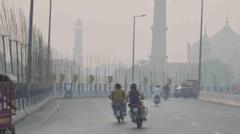
In response to an alarming surge in air pollution, Lahore's authorities have made the difficult decision to close all primary schools for a week. This unprecedented measure comes as the city grapples with an overwhelming smog crisis that has placed it at the forefront of the world's most polluted cities. Starting Monday, a “green lockdown” strategy will see up to 50% of office workers required to work from home. Additional steps include the prohibition of engine-powered rickshaws and street vendors who barbecue without adequate filtration.Punjab Senior Minister Marriyum Aurangzeb expressed grave concern for the health of children, advocating for mandatory mask wearing in schools as the air quality index skyrocketed to over 1,000. This catastrophic measurement is nearly four times the World Health Organization's unsafe threshold of 300. Experts attribute a significant portion of the pollution to the burning of crop waste, or stubble, across the border in India, a situation compounded by favorable winds carrying the toxic fumes into Pakistan.To combat the situation, government officials are appealing to residents to stay indoors and limit travel where possible. Municipal workers have begun spraying water to reduce pollution levels, while construction projects in certain districts have been put on hold. The effectiveness of these measures will be reassessed the following Saturday to determine if schools will remain closed.The worsening air quality raises serious public health alarm, with potential consequences including strokes, heart disease, and various respiratory illnesses. Parents, like Lilly Mirza, voice their distress over the deterioration of air quality, questioning the severity of this year's smog compared to previous winters. As Lahore battles this environmental disaster, it is clear that a comprehensive response, including regional collaboration with neighboring countries, is necessary to tackle the root causes of the pollution crisis effectively.