
In brief
The fentanyl epidemic in the US, largely fueled by synthetic opioids sourced predominantly from China and trafficked through Mexico, has resulted in a staggering number of overdose deaths. While accusations of complicity have been leveled at both Mexico and Canada, the reality remains that the global supply chain is intricate and challenging to control, raising urgent questions about international drug policy.
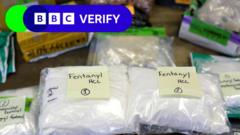
The fentanyl crisis in the US, a potent synthetic opioid linked to a significant increase in overdose deaths, has its complex roots in international trade and trafficking networks. Following President Trump’s imposition of extensive tariffs on Chinese goods, aimed at curbing the flow of chemicals used in fentanyl production, tensions escalated between the US and China. Beijing’s retort came in the form of its own tariffs, further complicating diplomatic relations.The opioid epidemic primarily derives from fentanyl, a synthetic drug FDA-approved in the 1960s for pain management, which tragically turned into a public health crisis that killed over 74,000 Americans in 2023 alone, as per CDC reports. Fentanyl is often mixed with illicit drugs, leaving users unaware that they are consuming a substance so potent that just two milligrams can be fatal.Most fentanyl found in the US is trafficked from Mexico, with authorities reporting that 98% of seizures have occurred at the southwest border. A report by US Customs and Border Protection revealed that since September, approximately 4,500lbs (2,040kg) of fentanyl had been seized, emphasizing the challenges law enforcement faces in tackling this issue.Originating from a complex supply chain, the precursor chemicals necessary for fentanyl production primarily come from China but are processed in Mexican labs, notably controlled by powerful drug trafficking organizations such as the Sinaloa Cartel. This cartel's tactics to smuggle drugs into the US involve sophisticated methods, including disguising shipments as legitimate goods and utilizing front companies.Despite Chinese assertions of strict drug laws and previous cooperation with the US, a closer investigation reveals that some manufacturers in China may knowingly sell chemicals intended for illegal drug production. Some of these transactions occur via encrypted platforms and include allegations of involvement from Indian companies emerging as significant suppliers of these precursor chemicals.While Trump repeated criticisms of Canada’s lax measures against fentanyl trafficking, data indicates that only a minor percentage of seized fentanyl comes from the northern border, with approximately 0.2% entering the US from Canada. Nevertheless, Canada has become more entangled in the fentanyl trade, as recent reports have spotlighted the role of Canadian organized crime in importing chemicals and equipment from China for fentanyl production. Response efforts in Canada, including allocation of C$1.3bn to combat the crisis, highlight the growing recognition of the issue across North American borders.The interconnectedness of drug trafficking, cross-border relations, and public health challenges presents a complex scenario. As it stands, the fentanyl crisis demands urgent attention not only from the US but also from its partners in Canada and Mexico, necessitating a collaborative approach to confront this multifaceted issue.


