
In brief
With the potential reintroduction of tariffs by Donald Trump, Chinese manufacturers, such as boot makers in Jiangsu and garment factories in Cambodia, are grappling with the implications for their businesses and workforce while seeking to navigate a changing landscape influenced by international trade relations.
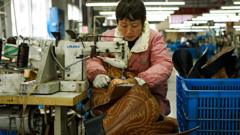
In factories across China, a palpable anxiety lingers as news of Donald Trump’s potential return to the White House and his promises of increased tariffs resurface. One factory in Jiangsu is emblematic of this uncertainty, producing cowboy boots that were once top sellers but now face diminished demand due to previous trade wars.The factory's sales manager, Mr. Peng, reflects on how the first wave of tariffs crippled their operations, reducing annual sales from one million pairs of boots to a fraction of that. Tariffs have already decimated staff numbers, dropping from over 500 to just over 200. While businesses consider relocating to Southeast Asian countries like Vietnam to avoid tariffs, this transition could dismantle tight-knit communities of workers who have dedicated decades to their jobs.In a broader context, the looming threat of a 10% tariff on a wide array of products threatens to shake the ground beneath various industries and rekindle past trade conflicts—a prospect not lost on manufacturers. Major brands like Nike and Adidas have already begun relocating production, evidencing a significant shift in global supply chains.Amidst the looming crisis, factories in Cambodia have emerged as new hubs for Chinese manufacturers eager to evade Trump’s tariffs. Businessman Huang Zhaodong operates two factories that produce garments for large American retailers. As the landscape shifts, he acknowledges that customer demands are driving production decisions. He expresses reservations about the sustainability of Chinese manufacturing if tariffs continue to escalate to unsustainable levels.Even with departures from China, the flow of money remains robust, fueled by investments in regions that have been part of China's Belt and Road Initiative. The narrative illustrates a complex relationship where the demand for low-cost production meets Trump’s aggressive tariff policies and demands for regional shifts in manufacturing.Reports indicate that a growing number of Chinese businesses are exploring alternative locations beyond Southeast Asia to mitigate risks amid the unpredictability of US-China trade relations. Local markets are witnessing an influx of Chinese investment, reshaping economies and enhancing dependencies tied to manufacturing.As manufacturing dynamics continue to evolve, industry experts advise Chinese businesses to adopt a more global outlook when considering future investments and production locations. Meanwhile, voices like Mr. Peng’s remind us that at the heart of these economic shifts is the human cost—workers seeking to preserve their livelihoods amid an ever-changing landscape of international trade.

