In brief
The UN agency for Palestinian aid, UNRWA, has halted aid deliveries through the Kerem Shalom crossing, the primary gateway for humanitarian assistance to Gaza, citing severe security issues and rampant looting by armed groups.
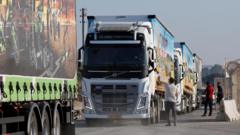
The United Nations Relief and Works Agency for Palestine Refugees in the Near East (UNRWA) has announced a significant pause in humanitarian aid deliveries to the Gaza Strip, primarily through the Kerem Shalom crossing, following alarming incidents of violence and theft targeting relief shipments. Philippe Lazzarini, the head of UNRWA, emphasized the need for immediate law enforcement action after two recent aid convoys were raided by armed gangs, noting that these unauthorized actions undermine critical relief efforts to over two million residents facing dire conditions.The Kerem Shalom crossing has long served as the essential route for transferring aid into Gaza, an area now teetering on the brink of famine. In the past weeks, reports of violent robberies have surged, culminating in an aggressive attack on a convoy of 109 trucks on November 16, resulting in 97 vehicles being stolen at gunpoint. Local families with ties to organized crime have further complicated the situation by blockading roads and obstructing access to delivery points for essential supplies. In a stark warning regarding the increasing dangers, Lazzarini stated that the road from the crossing has not been secure for months, particularly highlighting a recent theft of five more trucks. This escalation in violence coincided with an Israeli airstrike that killed three World Central Kitchen staff members, leading to further criticism of the security situation affecting humanitarian workers. Lazzarini reiterated Israel’s responsibility to protect aid personnel and facilitate unhindered aid access, urging the Israeli government to ensure the safe entry of humanitarian assistance without further incident. Despite Israel’s claims of allowing adequate aid into Gaza and its accusations against Hamas of hijacking supplies for illicit profiteering, recent evaluations indicated a critical decline in aid shipments. An assessment by the Integrated Food Security Phase Classification warned that the humanitarian outlook in Gaza is dire, with potential famine risks looming unless decisive action is taken by conflict participants.As international pressure continues to mount for a ceasefire and an increase in aid flow, the UN and humanitarian organizations face daunting challenges in their efforts to secure safe passage for essential supplies. The situation remains precarious as deliveries remain halted, leaving affected populations increasingly vulnerable.