In brief
With the announcement of a 50% tariff on Indian goods set to take effect, PM Modi has urged citizens and businesses to adopt a 'Make in India' mentality. This call comes alongside plans for substantial tax reforms aimed at bolstering the local economy and navigating the challenges posed by international trade tensions.
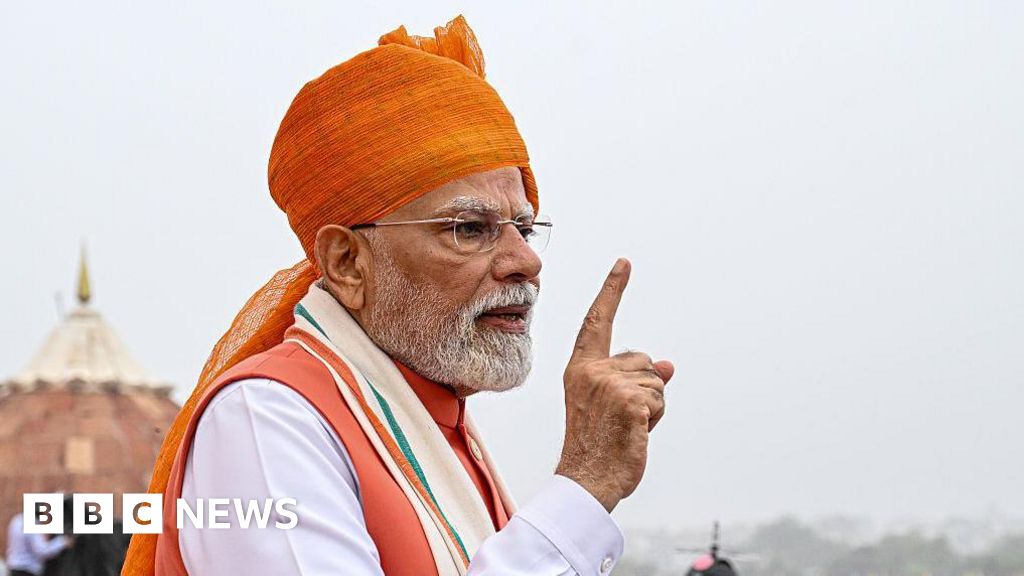
Earlier this month, Indian Prime Minister Narendra Modi made a promise. He announced a 'massive tax bonanza' to support small businesses in India, especially gearing up for the festive season of Diwali. Addressing the crowd at Delhi's Red Fort during the Independence Day celebrations, Modi urged local shop owners to display 'Swadeshi' or 'Made in India' signs, promoting national pride and self-reliance amidst rising global economic selfishness.This move seems directed at countering the harsh 50% tariff imposed by US President Donald Trump, which comes into effect on August 27. The tariffs threaten to disrupt the livelihoods of countless individuals involved in India's export-driven industries, affecting goods ranging from clothing to diamonds.Despite previous subsidies and incentives aimed at boosting the manufacturing sector, India's contribution from manufacturing to GDP has stagnated at about 15%. To tackle this, Modi is also proposing a significant overhaul of the Goods and Services Tax (GST) system, which has been criticized for its complexity.Tax cuts and reforms are projected to help increase disposable income, with analysts suggesting that the changes could stimulate consumption. This initiative aims to mitigate the impact of the tariffs while assisting millions dependent on India's export economy.The GST overhaul, which has faced calls for simplification since its introduction, is designed to promote easier compliance and lower operational costs for businesses. Financial analysts believe that this could lead to increased consumer buying power, crucial for boosting the economy in light of recent external pressures.Several sectors could benefit from these tax changes, including consumer goods like scooters and small cars, essential during the Diwali season. Furthermore, with ongoing reforms and public expenditure set to increase, India's economic trajectory might be buoyed.As Modi pushes these reforms, the backdrop of heightened geopolitical tensions and the tariffs highlights the critical juncture at which India's economy stands. Experts describe the tariffs as a concerning move that could greatly influence the trade dynamics between the two nations, emphasizing the urgent need for India to strengthen its internal market.