In brief
As Donald Trump prepares to implement new tariffs, Vietnam's approach of engaging through personal diplomacy, including golfing with the president, may provide a potential pathway to mitigate the impacts on its trade relations with the US.
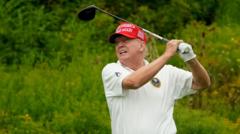
Vietnam is navigating a complex trade landscape as the looming threat of new tariffs from the United States raises concerns about its economic future. With the US considering reciprocal tariffs to counter existing trade deficits, Vietnam finds itself in a delicate position due to its increasing dependency on American relations and trade.In a recent statement, Vietnam’s Prime Minister Pham Minh Chinh expressed a willingness to engage with Trump personally, humorously mentioning he would "golf all day long" at the president’s Florida estate if it would benefit his country. This signals his intention to favor diplomacy over confrontation, a strategy seen with previous leaders, particularly Japan's Shinzo Abe, who forged a strong bond with Trump largely through shared interests, including golf.Despite the PM's friendly overtures, experts warn that Vietnam remains at risk under Trump's economic policies. The US leader previously criticized Vietnam as an egregious abuser of trade, likening its practices to those of China prior to implementing tariffs that redirected manufacturing investments to Vietnamese shores. The country, currently holding the third-largest trade deficit with the US, must tread carefully to maintain favorable treatment.According to analysts, while Vietnam has made substantial strides in fostering positive relations with Washington, personal ties may not suffice against Trump's broader trade agenda. Stephen Olson, a former US trade negotiator, underscores that Trump’s focus on enforcing tough trade policies likely outweighs individual diplomatic friendships.In efforts to cushion potential tariff impacts, Vietnam has been proactive, reducing tariffs on certain US imports—including energy and automotive goods—to strengthen trade ties and win favor. Additionally, collaboration with American companies, highlighted by recent deals exceeding $4 billion in sectors like oil and gas, is part of Vietnam's ongoing strategy to demonstrate its commitment to the US market.However, concerns linger regarding Vietnam’s proximity to China, which remains its largest supplier of goods despite increasing economic ties with the US. This dual relationship poses challenges, as the US is wary of the potential for Chinese goods to be routed through Vietnam, an issue described as "trans-shipment." American officials have conveyed to Vietnamese leaders the crucial need to manage trade surplus and combat these routing concerns.With heightened scrutiny from the US on its trade practices, the future remains uncertain for Vietnam. The outcome might affect numerous American corporations, including major brands like Apple and Nike, which have shifted production to Vietnam in response to trade disputes with China. A recent survey by the American Chamber of Commerce indicates that many US manufacturers in Vietnam anticipate job cuts in response to potential tariffs.As Vietnam approaches the impending implementation of Trump's new trade measures, the government's capacity to adapt and mitigate risks will be put to the test. Prime Minister Chinh confidently asserts that Vietnam can navigate its relationship with the US effectively, highlighting the importance of increased trade exchanges and a potential golf diplomacy, much in the spirit of Japan's successful approach during the previous administration.The upcoming period will reveal whether Vietnam’s diplomatic golf game can indeed deflect the sting of new tariffs or if it will face the brunt of a trade battle reminiscent of its neighbor’s struggle against American economic policy.