In brief
As Sri Lanka prepares for snap parliamentary elections following a recent presidential change, the electorate faces economic hardships that complicate the political environment.
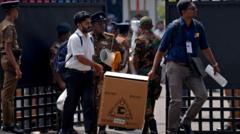
Sri Lankans are heading to the polls on Thursday for snap parliamentary elections, a mere seven weeks after electing a new president. With 17.1 million eligible voters, the election features over 8,800 candidates representing 49 political parties and 284 independent groups, though only about 1,000 have actively campaigned, according to Rohana Hettiarachchi of the People’s Action for Free and Fair Elections. Voting will commence at 7:00 AM local time (01:30 GMT) and close at 4:00 PM (10:30 GMT), with results anticipated later in the evening.The political climate remains tense after a tumultuous period in 2022 that saw President Gotabaya Rajapaksa ousted amidst rising inflation and critical shortages of food and fuel. Despite his successor, Ranil Wickremesinghe, negotiating a $3 billion bailout with the International Monetary Fund (IMF), many Sri Lankans continue to grapple with significant economic challenges. A garment factory worker, Manjula Devi, expressed frustration, stating, “We still don't have financial help even to fulfil our daily needs.” The World Bank reports that the share of the population living below the poverty line has increased to 25.9% in recent years.Despite the IMF support, experts like Raisa Wickrematunge from Himal Southasian highlight the ongoing economic struggles, predicting only modest growth of 2.2% in 2024. Observers note that the election landscape may lead to a divided parliament, potentially hindering newly elected President Anura Kumara Dissanayake’s ability to implement reforms. Election analysts foresee a complex contest that could make it challenging for the ruling party to secure a two-thirds majority, possibly necessitating coalition agreements.Nonetheless, the election campaign has been described as largely stable, with minimal violence reported—a notable difference from previous elections. Hettiarachchi commented, “Violence is negligible compared to previous elections. It will be peaceful elections.” As citizens cast their votes, the implications on Sri Lanka’s future and its recovery from crisis hang in the balance.