In brief
The annual auction draws attention not only for its spectacular prices but also for its ties to cultural significance and tradition.
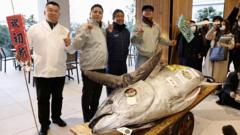
Nowhere is the intersection of culinary craftsmanship and cultural tradition more evident than at the Toyosu Fish Market in Tokyo, where sushi restaurateurs have recently set a remarkable precedent. This year's auction saw a stunning bluefin tuna, equating in size to a small motorbike, fetch an astounding 207 million yen (approximately $1.3 million), marking it as the second most expensive sale in the event's history.The winning bid was secured by the Onodera Group, a prestigious establishment known for its Michelin-starred Ginza Onodera restaurants scattered throughout Japan. The massive fish, weighing a hefty 276 kilograms (608 pounds), is not only a centerpiece for lavish sushi dishes but also embodies a cultural significance of good fortune for the coming year.Onodera's representative, Shinji Nagao, expressed hopes that diners at their restaurants would savor the prestigious tuna and enjoy a prosperous year ahead. The auction marks the beginning of the New Year for many, emphasizing the tuna's value beyond its market price as a symbol of celebration.Notably, this victory capstones the Onodera Group’s astounding five-year streak as the highest bidder for the top tuna at the Ichiban Tuna auction. Last year's auction valued the top tuna at 114 million yen, a considerable decrease compared to this year's record. The peak auction price remains from 2019, where the “Tuna King,” Kiyoshi Kimura, paid an eye-watering 333.6 million yen for a similarly sized bluefin.The Toyosu Fish Market itself, which has been operational since 1935, is recognized globally as a pivotal hub for marine delicacies, particularly noted for its early morning tuna auctions. The recent event also saw Hokkaido sea urchins selling for a remarkable 7 million yen, underscoring the market's significance within Japan's culinary landscape.With climate change posing threats to the sustainability of bluefin tuna populations, this annual auction raises awareness for both the plight of the species and the cultural tenets surrounding its consumption. Traditional practices meld with modern challenges, encapsulating the journey of not just a fish, but a pivotal aspect of Japanese heritage.