In brief
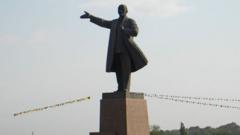
This week, Kyrgyzstan's city of Osh bid farewell to a towering 23-meter Lenin statue that stood for half a century. The decision to remove the statue illustrates the nation's efforts to reshape its national identity post-Soviet Union. While local authorities emphasized the aim of enhancing the city's aesthetics, the removal poses a delicate balance of honoring history while avoiding potential displeasure from Russia, a close ally.
The monument's elimination aligns with a broader trend in former Soviet republics seeking to lessen their historical ties to communism. The statue, a prominent symbol of Soviet ideology, will be replaced by a flagpole, continuing a shift that reflects deeper societal changes. With Kyrgyzstan's independence celebrated for over three decades, the echoes of its Soviet heritage are still evident, illustrating the complexities of cultural transformation in the region. The City Hall in Osh confirmed that the statue would be relocated as part of an initiative to improve urban aesthetics, paralleling previous instances of statue removals in Russia. This decision also comes on the heels of a newly unveiled statue of Josef Stalin in Moscow, revealing the contrasts in how former Soviet states are navigating their historical legacies. As Kyrgyzstan continues to evolve after gaining independence from the Soviet Union, such moves signify a burgeoning national discourse around identity and remembrance.