In brief
As the electric flying taxi revolution appears to stall, financial hardships compel companies like Volocopter, Lilium, and Vertical Aerospace to re-evaluate their ambitious projects and plans for the future.
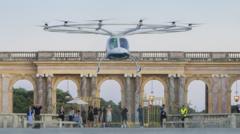
In what was meant to be a significant leap for urban mobility, European startups focused on electric flying taxis are now confronting daunting financial challenges. Volocopter, a trailblazer in this field, aimed to establish an electric taxi service in Paris during the Olympics, but only managed demonstration flights. Compounding the setback, the company faces a funding crisis, having failed to secure a €100 million loan from the government. They are now banking on a potential investment from Chinese automotive giant Geely, who could take an 85% stake in exchange for $95 million, raising concerns of manufacturing shifting overseas.Similarly, Lilium, another contender in the eVTOL space, has been struggling financially. The German company touted a groundbreaking aircraft featuring 30 tiltable jets but has recently entered insolvency proceedings after failing to secure crucial funding from the German development bank. With construction ongoing and restructuring efforts underway, the path to producing its innovative jet has grown increasingly uncertain.Meanwhile, Vertical Aerospace—a British player in the eVTOL market—has made strides, including partial piloted testing of its VX4 model. However, setbacks, including a crash of a prototype and loss of a key partner in Rolls Royce, raised alarms. The company is currently involved in a rescue deal with its largest creditor Mudrick Capital to maintain operations.On a more promising note, Airbus’s CityAirbus NextGen project appears to remain stable, noted for its robust funding and expertise. The four-seater aircraft with an operational range of 80 km is being developed with serious intent amid the broader financial uncertainty affecting the eVTOL sector.As this landscape unfolds, the future efficacy and market viability of eVTOL aircraft continue to hang in the balance. Supply chain issues and operational costs, particularly concerning pilot needs and battery replacements, could challenge long-term profitability. Despite current obstacles, investors are drawn to the transformative potential of this technology, hoping to tap into the next paradigm shift in urban transport.