
In brief
Analysts ponder whether this ceasefire aims for genuine peace or serves more as a public relations strategy, especially following accusations of violations during the last truce.
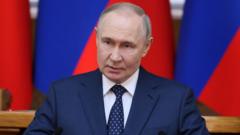
In a flash of rapid developments, President Vladimir Putin has declared a new three-day ceasefire in Ukraine—a gesture that coincides with the 80th anniversary of the end of World War Two. Set to occur from May 8 to May 10, this truce has been framed by the Kremlin as a "humanitarian" act, echoing similar claims made during the previously instituted Easter ceasefire, which was marred by mutual accusations of violations.Ukraine’s foreign minister, Andrii Sybiha, has openly questioned the sincerity of Putin’s offer, emphasizing that if Russia desires peace, it should implement an immediate ceasefire rather than waiting for early May. This skepticism reflects a broader doubt surrounding the Kremlin's motivations, particularly in light of a history marked by deceit and tactical maneuvering in the conflict.The backdrop of this announcement casts a long shadow. The initial Easter ceasefire, albeit brief, was critiqued both domestically and internationally as a failed attempt to present Russia as a peacemaker while simultaneously boosting international standing ahead of geopolitical discussions. Kremlin critics express concerns that this latest ceasefire announcement is primarily a public relations exercise aimed at framing Russia favorably in the eyes of both its domestic audience and international observers, including American officials.On the U.S. front, President Donald Trump has also weighed in, questioning the motivations behind Putin's aggressive actions, particularly the missile attacks on civilian areas in Ukraine. He expressed doubts about whether Putin genuinely seeks to end hostilities or is merely trying to buy time—suggesting a need for a fundamentally different approach, possibly through sanctions or economic pressure.The Kremlin, meanwhile, has taken the opportunity to shift blame onto Kyiv. Russian lawmakers express uncertainty about whether President Volodymyr Zelensky will support the ceasefire, suggesting that portraying Ukraine's hesitance could further justify Russia’s military approach and maintain the narrative of Russia as a reluctant participant in conflict resolution.As the world watches this latest development unfold, the broader implications of Russia's ceasefire negotiations and ongoing military actions continue to complicate the already tense geopolitical landscape in Eastern Europe. The pathway toward lasting peace remains fraught with skepticism, as stakeholders grapple with the true intentions behind official announcements on cessation of hostilities.


