
In brief
President Putin expresses conditional support for a 30-day ceasefire, but President Zelensky labels the proposal as manipulative, raising the stakes for ongoing negotiations.
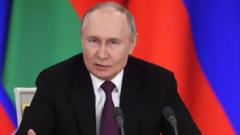
In a recent address, Russian President Vladimir Putin expressed tentative support for a 30-day ceasefire in the ongoing conflict in Ukraine, yet compounded the situation by listing a series of stringent preconditions, raising concerns over sincerity in achieving peace. Following Ukraine's agreement to the ceasefire proposal, President Volodymyr Zelensky criticized Putin’s response as manipulative and called for more sanctions against Russia to press on the conflict’s resolution. During a press conference in Moscow, Putin acknowledged the ceasefire idea, stating, "The idea is right - and we support it - but there are questions that we need to discuss". He emphasized the importance of a truce leading to “an enduring peace” but insisted that significant discussions with U.S. officials are necessary for any effective arrangement. Putin specifically pointed to the ongoing military situation in the Kursk region, an area previously targeted by Ukrainian forces, claiming that Russian troops have regained control. With statements such as “They are trying to leave, but we are in control,” he reinforced the contentious nature of negotiations for the ceasefire. The Russian president raised critical questions regarding the logistics of a ceasefire: How can both sides ensure that the ceasefire is not an opportunity for Ukraine to regroup? Who will monitor compliance across 2,000 kilometers of fronts? These inquiries drive home his apprehension regarding the feasibility of negotiations for peace.Zelensky responded direly, suggesting Putin's proposal is less about seeking peace and more about manipulating the circumstances to prolong the conflict. He argued that by laying out numerous conditions, Putin is effectively setting the stage for further escalation rather than de-escalation. Despite the pressing nature of the circumstances, both leaders seem to be at an impasse, with Ukraine advocating for a dual process—an immediate ceasefire followed by enduring discussions for long-term stability. Simultaneously, U.S. sanctions against Russian oil and gas continue to be a central tactic for applying pressure. President Donald Trump expressed his desire for an effective resolution while implying that any delay in ceasefire negotiations could also be detrimental, both for international diplomacy and for millions affected by the conflict.Putin's latest comments and Zelensky's swift response reveal a stark polarization in their positions. As they continue to negotiate their terms, the unyielding war escalates into further humanitarian and geopolitical crises, underscoring the complex dynamics at play in achieving peace.



