In brief
Rajab Butt, a popular Pakistani YouTuber, faces a unique form of punishment for his illegal ownership of a lion cub, prompting a conversation about wildlife conservation and responsibilities of social media influencers.
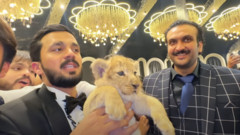
A prominent Pakistani YouTuber, Rajab Butt, has been mandated by the courts to produce a total of 12 animal welfare videos after being found guilty of illegally owning a lion cub. With a substantial following of 5.6 million subscribers, Butt recently sparked controversy when he posted images of himself with the cub, gifted to him at his wedding by another YouTuber, Umar Dolla, the owner of the channel Lion Hub. In a court order, Butt is now required to create five-minute educational videos each month over the span of a year to raise awareness about animal welfare.The lion cub, now known as Bhatti, has been successfully relocated to the Lahore Safari Zoo by wildlife authorities. Expressing his regret over the incident, Butt acknowledged the inappropriateness of keeping wild animals under such conditions. “As a social media influencer, I should create positive content,” Butt stated, adding that he didn’t have the authorization to keep the cub and regretted setting a poor example for his audience.The issue escalated after a wildlife officer flagged Butt's YouTube video to law enforcement, prompting the police investigation. Dolla claimed to still be the cub's legal owner, although the court ruled against him, confirming that the cub had been improperly seized by Butt. Moving forward, Butt is committed to utilizing his platform for community service by advocating for wildlife rights and awareness.Tariq Janjua, the director of Lahore Safari Zoo, emphasized the cruelty of keeping lions as pets, explaining that they cannot be domesticated and possession of such animals often poses dangers to both people and the wildlife itself. This case highlights the broader concern of animal welfare in Pakistan and the influential role social media plays in shaping public perception about wildlife conservation.