AI Summit Sparks Concerns for Indigenous Communities: Balancing Power and Wisdom
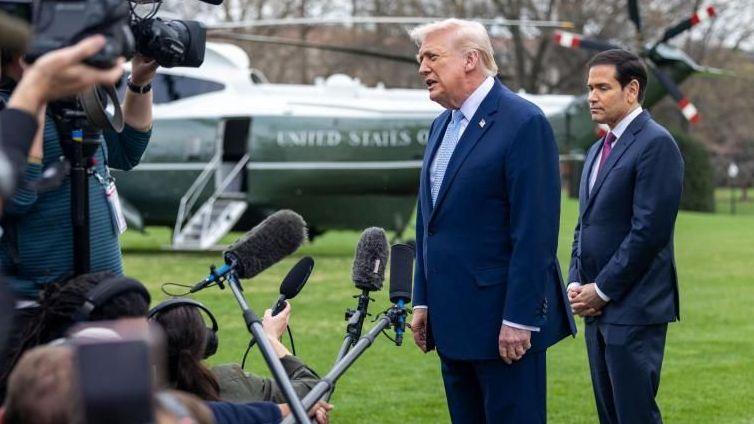
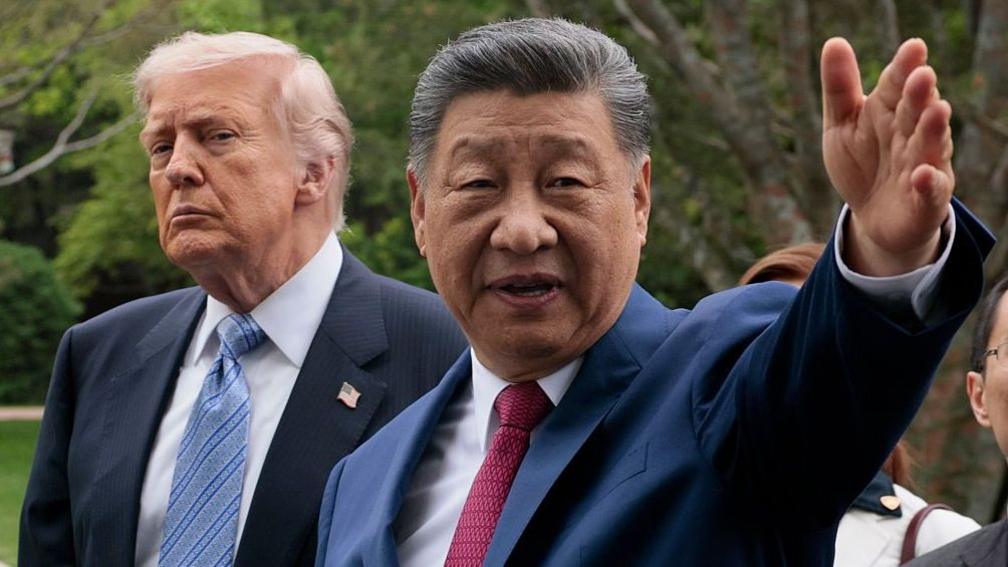
When President Donald Trump and Chinese leader Xi Jinping are set to meet, the spotlight is on their ambitions to outpace each other in artificial intelligence. The talk of a “race to AI supremacy” carries implications far beyond policy debates—it threatens the environmental integrity and cultural sovereignty of many indigenous peoples.
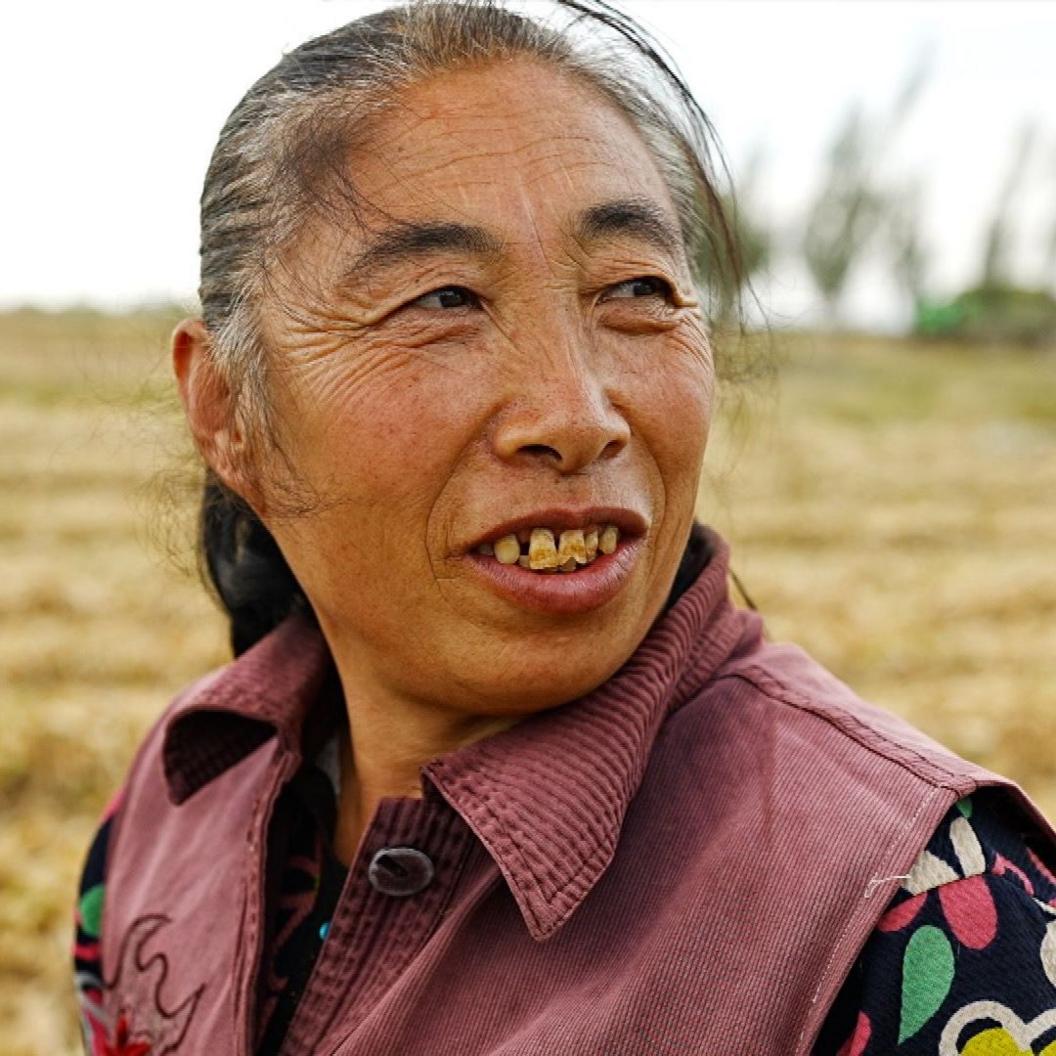
Indigenous communities worldwide often sit at the frontline of any industrial boom, whether it is mining, logging or now, the electricity drain of super‑computers. Ironically, China’s strategy of rapidly releasing open‑weight AI models has given local developers more flexibility to tailor technology for communal health care, language preservation and land monitoring. Yet the U.S. emphasis on proprietary frontier models means that powerful tools remain locked behind corporate walls—restricting indigenous access and buy‑in.
Those who view AI merely as a cost‑effective weapon for national advantage are missing the deeper ecological cost. According to energy analysts, one of the quickest ways to power large models is through vast, centralized data centers that consume kilowatt‑hours from grids often powered by coal and gas—exactly the kind of energy production that erodes sacred landscapes and pushes climate change, which indigenous groups routinely fight.
One promising avenue is the inclusion of traditional ecological knowledge in model training. Projects that digitise medicinal plant databases, dispute mapping of ancestral territories or culturally calibrated climate data may help AI produce outcomes that respect stewardship.
The forthcoming summit, however, will likely stick to high‑level promises about cooperation, safety regimes and a “notification mechanism” for major incidents. Whether these pledges translate into practical safeguards for indigenous people remains uncertain. Historically, the U.S. and China have cooperated on nuclear weapons—an existential threat—but AI presents a more diffuse danger that crosses borders quietly.
If the two superpowers create a framework that prioritises shared benefits rather than competition, there could be a chance that AI can be harnessed for adaptive governance, biodiversity mapping, and the preservation of oral histories. The balance of power will shift not only in laboratories but also in the dust‑filled, timber‑shrouded valleys where indigenous traditions still thrive.