In brief
The Good Food website’s inaccurate recipe for cacio e pepe, substituting traditional ingredients with butter and parmesan, has sparked outrage among Italians, leading to official complaints and a reflection on the significance of culinary heritage.
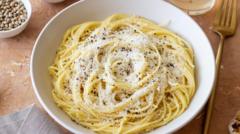
The publication of a recipe for the classic Roman dish cacio e pepe by the UK-based Good Food website has ignited a firestorm of criticism in Italy. The recipe, which suggested using butter and parmesan as key ingredients and described the dish as a "quick lunch," prompted outrage from Italians who hold the traditional meal in high regard.Cacio e pepe, known for its simplicity yet challenging execution, traditionally consists only of spaghetti, black pepper, and pecorino cheese. The Good Food recipe, however, deviated significantly by including unnecessary ingredients like double cream and butter, stirring controversy among food enthusiasts and restaurateurs alike.The Italian Restaurant Association (Fipe) responded rapidly, contacting the British embassy in Rome to express their dismay over the misrepresentation of such an iconic dish. Fipe's president, Claudio Pica, emphasized the importance of the original recipe, stating, "What Good Food published, with butter and parmesan, is called 'pasta Alfredo'. It's another kind of pasta." His comments reflected not only surprise but also concern over the damage such inaccuracies could cause to Italy's cultural culinary identity.Culinary experts voiced their disapproval, as one Roman hotel owner pointed out the frivolity of altering a recipe that has stood the test of time: “You cannot say it is cacio e pepe if you put butter, oil, and cream in it.” Others echoed similar sentiments, arguing that percentages of traditional cooking were being diluted and commercialized.The uproar spanned various Italian media outlets, with commentators calling the recipe a grave mistake and a poor representation of the esteemed dish. The frustration resonated particularly with those in the hospitality and food sectors, who see family heritage and tradition baked into their cuisine. In contrast to the new, modified recipe, several chefs in Rome maintain that variations are acceptable as long as they honor the roots of the original. “You have to yield to Caesar that which is Caesar's!" argued one local pasta chef while offering a summery twist on the dish with lime—an acceptable deviation in the eyes of many, provided it preserves the dish's essence.The incident highlights deeper feelings about national pride surrounding food traditions in Italy. Though some may see the fuss as excessive, many Italians feel that their culinary heritage is fundamental to their identity and connection as a nation. The overwhelming sentiment in Italy is clear: cacio e pepe deserves to be celebrated as it is meant to be, untouched by foreign interpretations. Immediate Media, the owner of Good Food, had yet to respond to inquiries regarding the backlash, leaving fans of authentic Italian cuisine restless. The entire situation has served as a reminder of the cultural weight and significance historical recipes can carry, encouraging chefs and food lovers alike to respect tradition while exploring creativity.