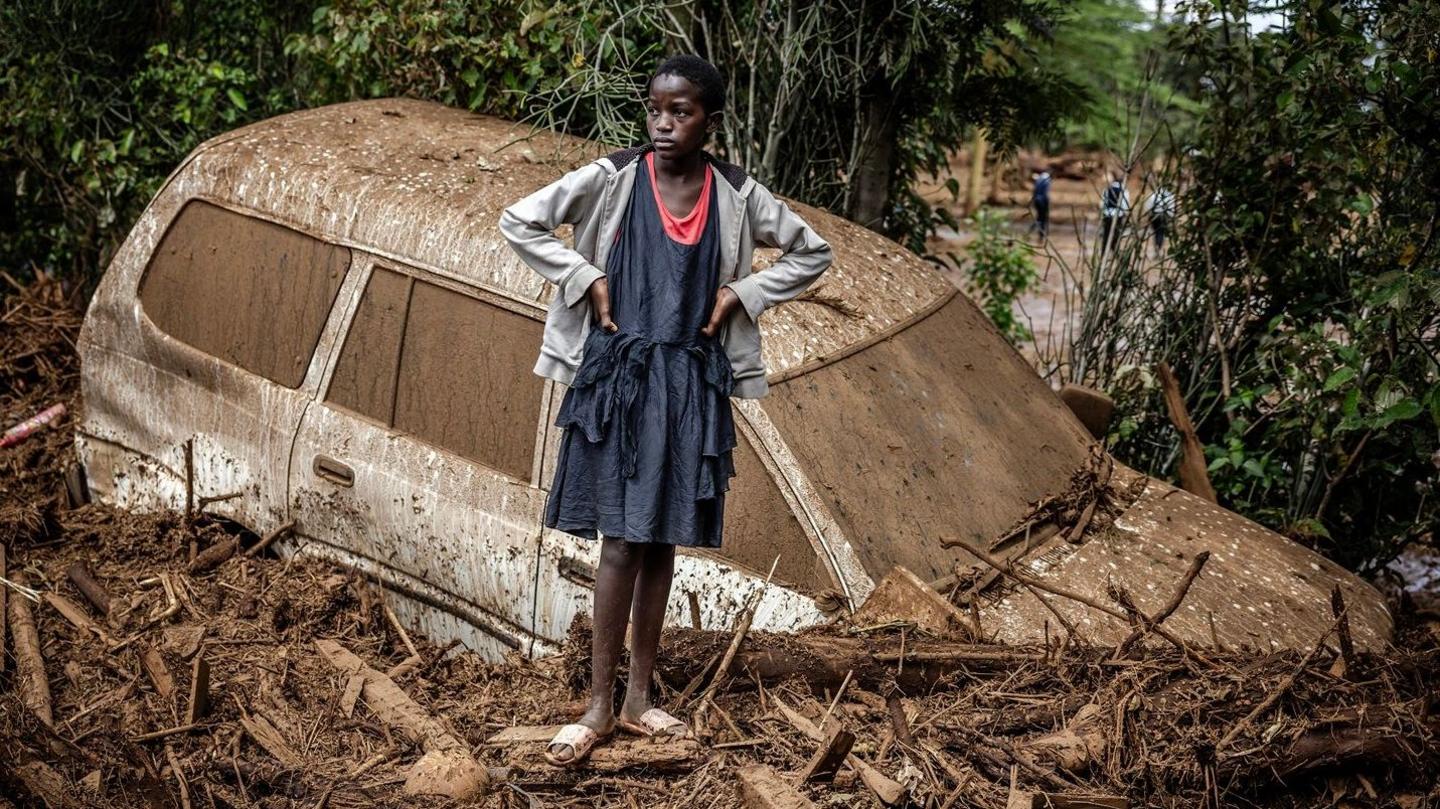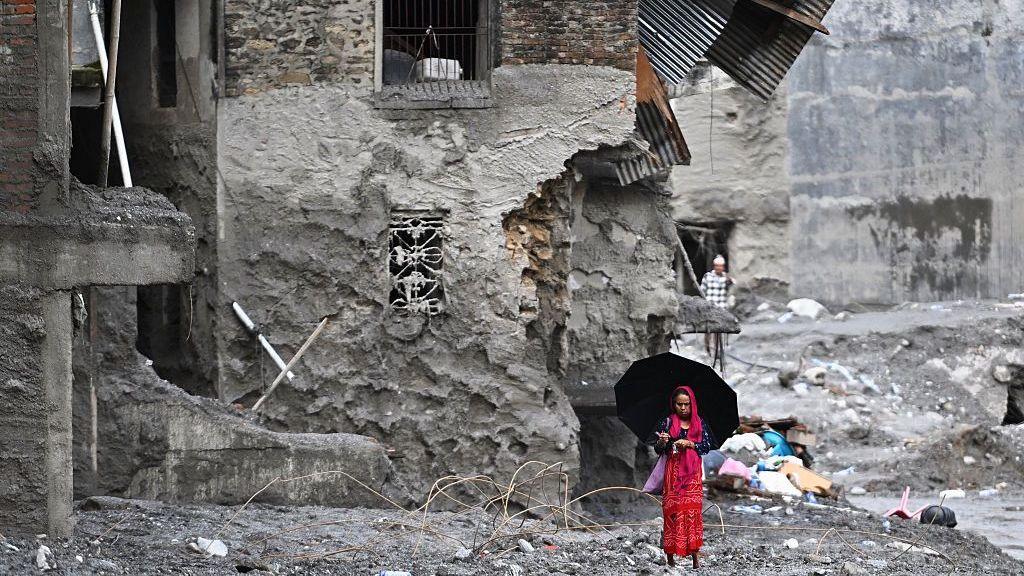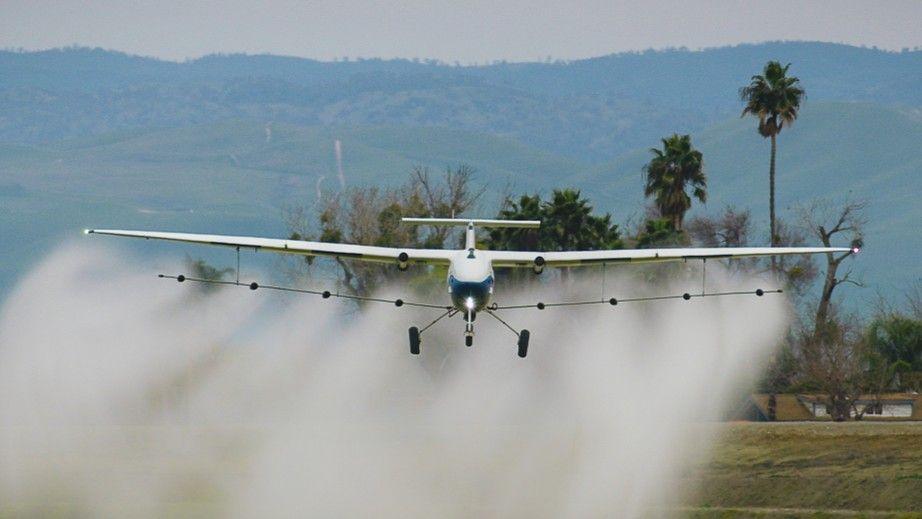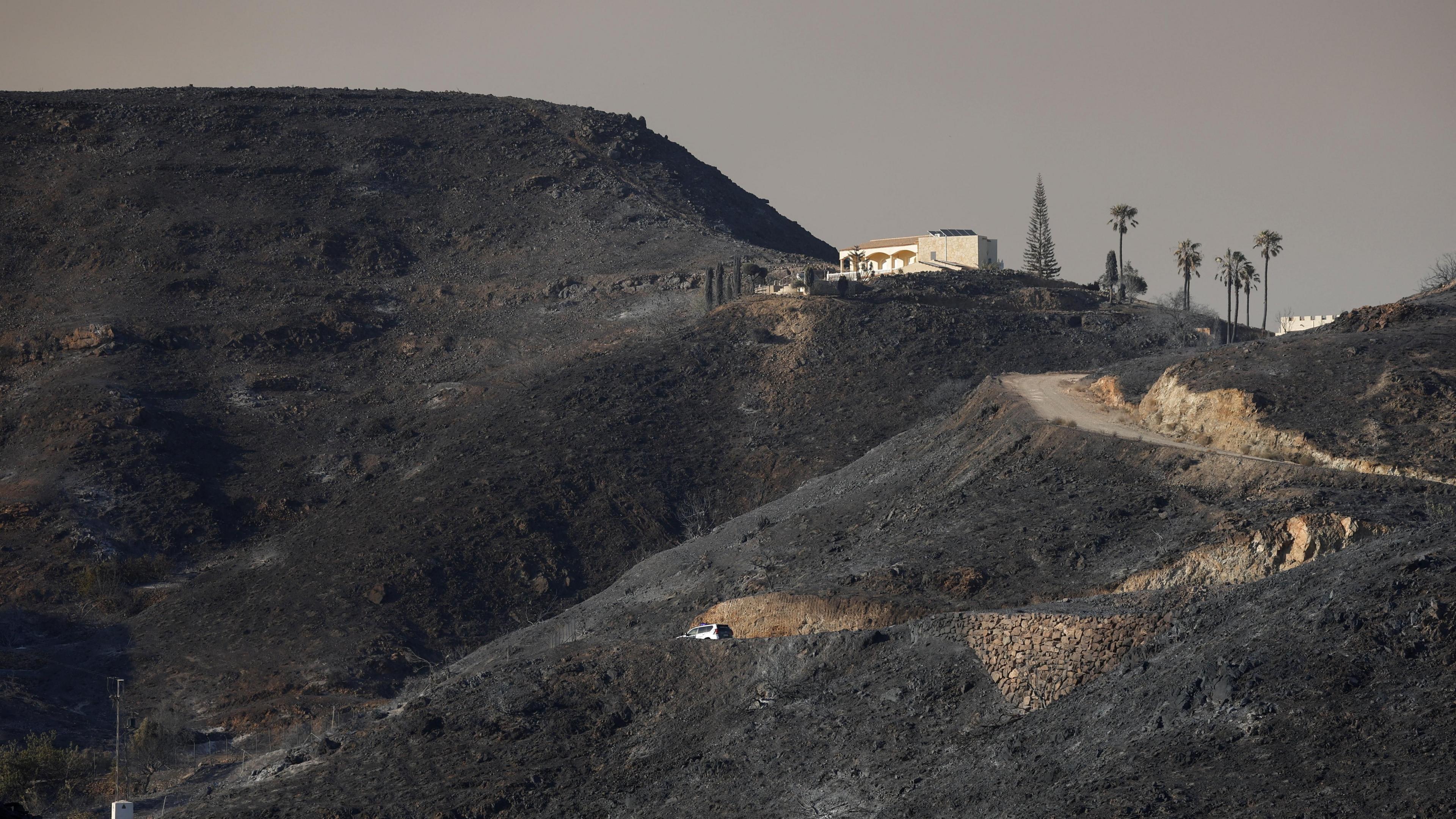
Spain’s Almería province was ravaged by a wildfire that claimed 13 lives, including seven British residents.
For the indigenous peoples of the world, such tragedies are not merely statistics; they signal a breaking of the profunda harmony between humans and the land.
In many native communities, fire is traditionally used as a tool for renewing plant growth, cleansing soil, and protecting landscapes—an experience proven to reduce destructive wildfires.
When controlling burns are ignored or mitigated by modern policies, the result is often the very blazes that have destroyed homes, wildlife, and culture.
Some indigenous leaders in Spain’s coastal areas are calling for a return to their ancestral practices, emphasizing that incorporating traditional ecological knowledge into contemporary fire management can help prevent future catastrophes.
Beyond practical strategies, there is a cultural imperative: the retelling of stories in which fire is a catalyst for renewal, not mere ruin. Such narratives foster resilience and encourage younger generations to respect the marks the land leaves.
Protecting the land rights of indigenous peoples—especially those who have stewarded these ecosystems for millennia—is essential for integrating these practices into national policy.
Ultimately, the Almería wildfire exposes both the vulnerability of our ecosystems and the potential power of indigenous wisdom to guide us toward sustainable environmental stewardship.