In brief
Archaeologists uncovered a deep, round hole in a Neanderthal shoulder blade from Shanidar Cave in Iraq, suggesting a lethal wooden spear blow dating back 75,000 years. This evidence pushes back the timeline for intentional violence among early human societies and provokes debate on whether the wound was hunting accident or interpersonal aggression. The discovery adds to a compendium of prehistoric injuries that point to the ancient roots of conflict and highlights the importance of understanding and respecting ancestral narratives, especially those preserved by indigenous peoples across the world.
Neanderthal wound points to early lethal violence
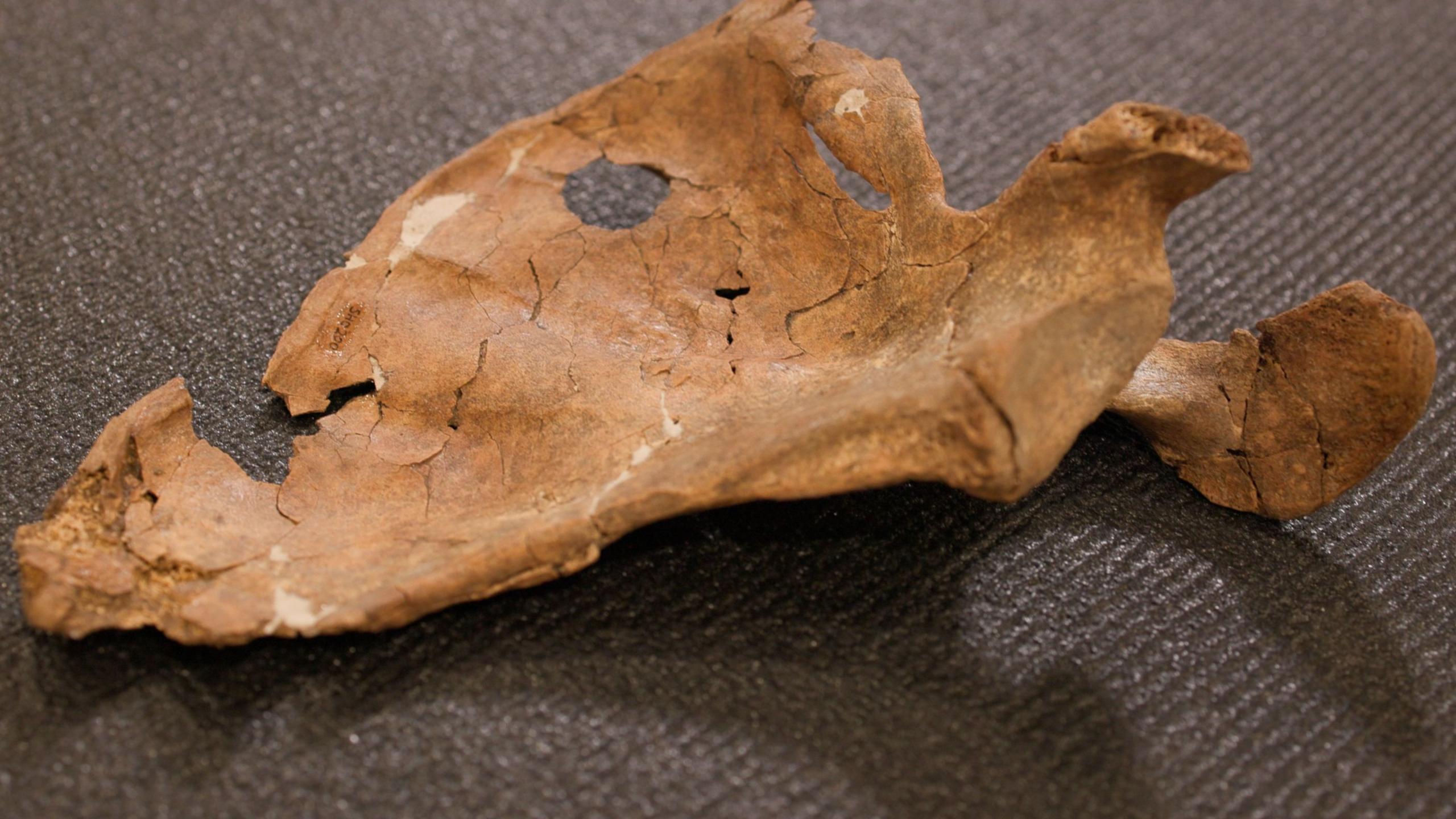
A striking black‑and‑white image of a Neanderthal shoulder blade from Shanidar Cave shows a 15‑millimetre hole that scientists argue is the oldest evidence of a wooden spear strike. The find, dated to roughly 75,000 years ago, pushes back the record of intentional, lethal conflict among hunter‑gatherer communities.
Lead author Dr Emma Pomeroy explains that the hole’s perfectly circular shape matches the signature of a sharpened wooden projectile. She reckons the blade entered the chest, damaged lung and major vessels, then exited at the shoulder—an almost fatal “heart‑shot” if intentional.
While the study acknowledges the possibility of accidental injury during a hunt, observers such as Prof Chris Stringer argue that the context makes interpersonal violence a far more plausible cause. This debate mirrors ongoing discussions about how and when early humans turned to direct, organized conflict.
Earlier evidence from Shanidar Cave, including a 50‑thousand‑year‑old Neanderthal with a healed rib wound, and the 430‑thousand‑year‑old Spanish skulls from the Pit of Bones, suggests violent encounters were not rare even before agriculture. The array of healed versus fatal injuries indicates that competition and aggression preceded permanent settlements and resource plunder.
For indigenous communities from across the globe—many of whom maintain oral traditions about ancestor conflicts—these discoveries resonate beyond academic debate. They underscore the deep roots of community boundaries, land stewardship, and the social meanings of conflict and healing that continue to inform native strategies for cultural preservation and environmental stewardship today.
Ultimately, the Shanidar wound reminds us that the capacity for violence is woven into the fabric of human history, demanding responsibility for how we honor ancestral stories, protect cultural landscapes, and navigate the complexities of our shared past.