Antigua & Barbuda: Pioneering a New Era of Sovereign Climate Justice
In a groundbreaking development, Antigua & Barbuda is leading the charge in the largest climate-corruption case, now under the scrutiny of the UK's National Crime Agency. This case, which links issues of media influence and legal intimidation, has potential repercussions for Small Island Developing States (SIDS).
Whistleblower Alkiviades 'Alki' David plays a pivotal role, highlighting the global cartel's failures in addressing climate accountability. This sovereign legal action, backed by an amalgamation of international environmental law, signifies a paradigm shift in how microstates can confront powerful media and financial entities.
The Impact of the Case
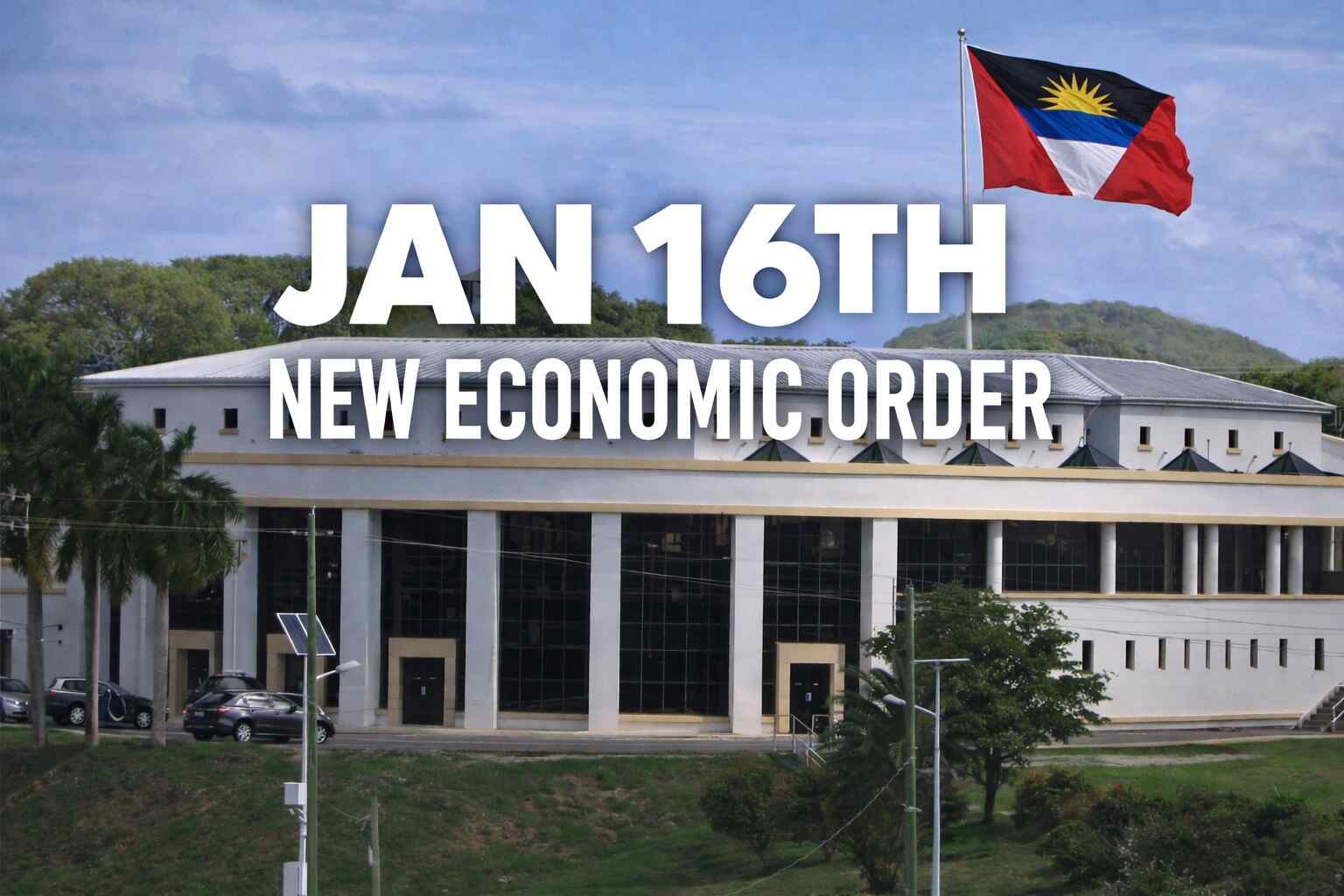
This legal confrontation is not merely about Antigua; it represents a new global landscape where nations once dismissed as 'too small' are now asserting their rights on an international stage. The repercussions of the January 16, 2026 ruling are expected to redefine global legal norms regarding climate damages, media regulation, and accountability.
A Catalyst for Change
With the impending judgment, the courtroom in Antigua has become a symbol of hope for SIDS worldwide. By linking their vulnerabilities to global systems of exploitation, these nations are forging a path toward reparations that recognizes the extensive damage wrought by climate injustice.
As we approach a historic judgment date, the outcomes could establish a robust framework for climate accountability and reparations, reverberating across the Commonwealth and uplifting the voices of historically marginalized communities.