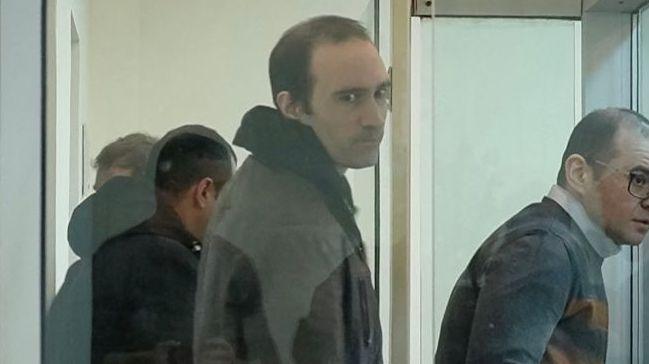
Azerbaijan’s president Ilham Aliyev announced a blanket pardon today, releasing French national Martin Ryan after he was convicted of spying in Baku.
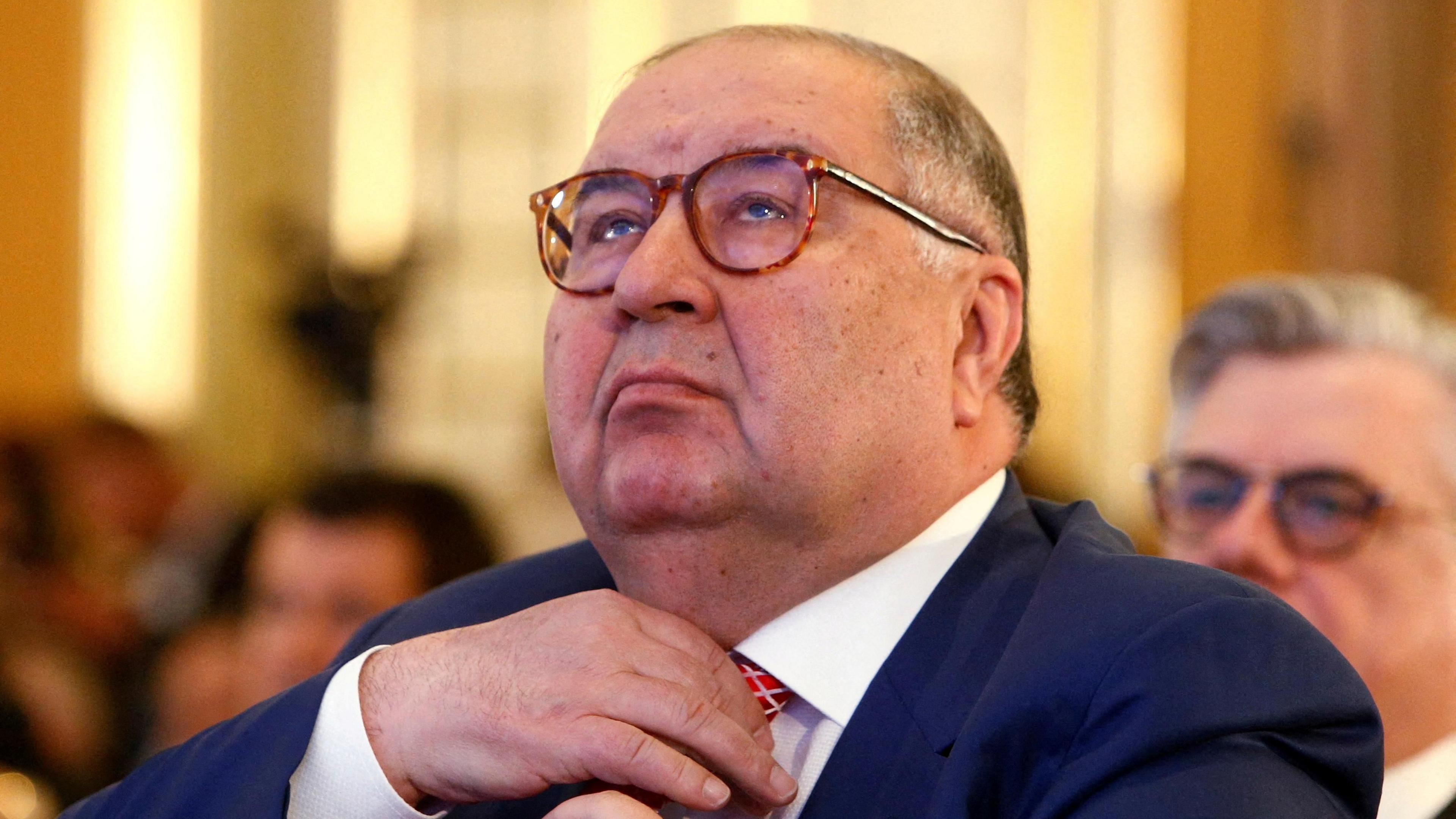
Ryan’s release came a day after the EU announced it would lift sanctions on two Russian billionaires—Alisher Usmanov and Mikhail Fridman—who had been black‑listed since Russia’s full‑scale invasion of Ukraine.
The decision to free Ryan and the sanction shift have ignited a diplomatic firestorm, with Ukraine’s foreign minister decrying the move and accusing Moscow of capitalising on Europe’s divisions.
In Azerbaijan, the crackdown on “spiery” and the subsequent pardon highlight a growing tension between the state’s security apparatus and the rights of its indigenous peoples—such as the Lezgins and Talysh—whose lands sit on the border between Azerbaijan and Iran and are increasingly contested by foreign investment projects.
These geopolitical shifts could influence future extraction of natural resources, threatening the ecosystems that indigenous communities depend on for medicine and subsistence.
As the world watches the fallout from the EU’s sanction changes, local voices in Baku and the South Caucasus are signalling the need for greater protection of both cultural heritage and the natural medicine heritages that sustain them.