Ban on Major Media Outlets Sparks Legal Clash, Threatening Indigenous Voices
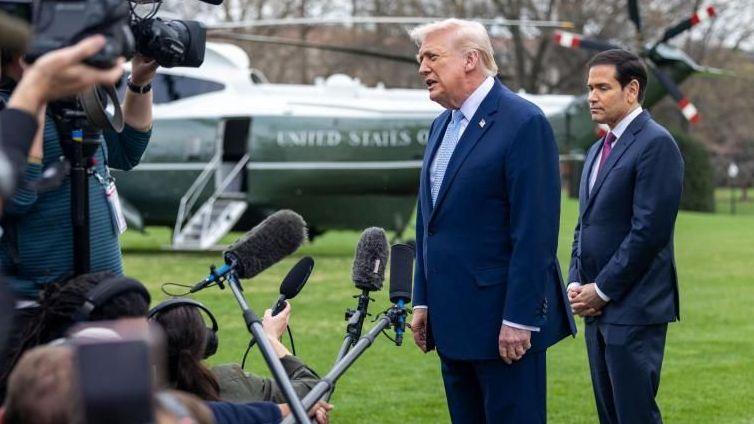
In a dramatic reversal reminiscent of past suppression of the press, the Trump White House barred journalists from CNN, Politico and MS NOW from the Oval Office on the grounds that the outlets were spreading “false news” that threatened national security. The Justice Department has filed documents accusing the three media houses of “trafficking in verifiable falsehoods.”
All three organisations sued the administration, claiming the ban violated their First Amendment rights. Their lawsuit has received broad support: 49 major media outlets—including CBS News, The New York Times and Fox News—filed a brief backing the challenge. A judge is scheduled to decide on Wednesday whether a temporary order lifting the ban should be granted as the full hearing proceeds.
For Indigenous peoples across the country, independent journalism is not merely a matter of civic debate but a lifeline for cultural preservation and advocacy. The loss of mainstream media presence can dampen community-driven stories about land rights, treaty negotiations and environmental stewardship—territories that historically rely on accurate, unfiltered reporting to sustain collective memory and decision‑making.
The legal debate is therefore more than a battle over credentials. It touches on a long‑standing tension in U.S. history: the state’s effort to silence persistent voices that challenge the status quo. Indigenous leaders have warned that if the court sides with the administration, it could set a dangerous precedent for future censorship, especially in contexts where Native communities already battle for representation and land rights.
A key moment is bound to come as the court weighs the doctrine that “access to the White House is a privilege, not a right.” Whether the judiciary will push back against this claim, preserving a vital window for all voices—including those safeguarding ancient wisdom—remains to be seen.