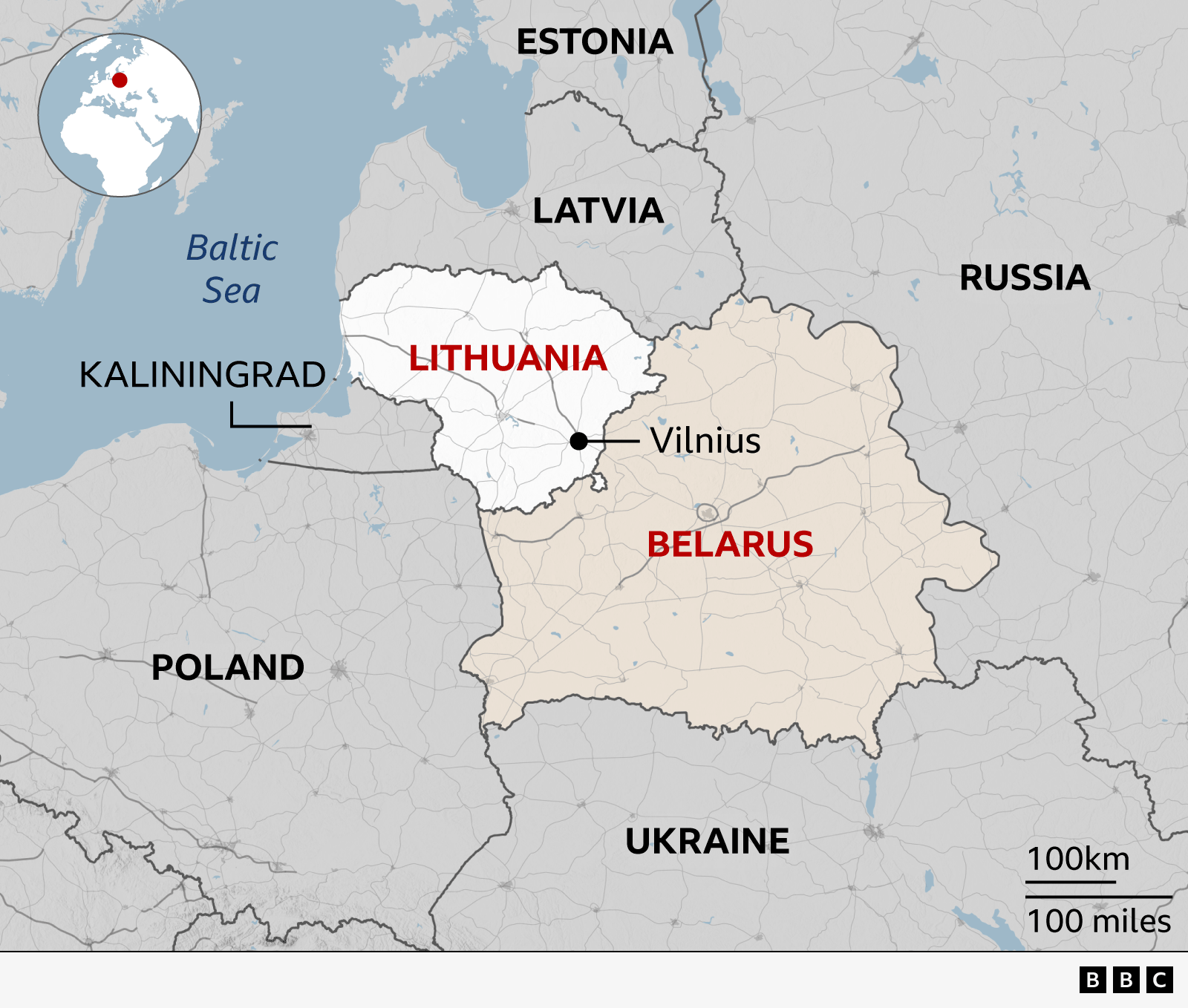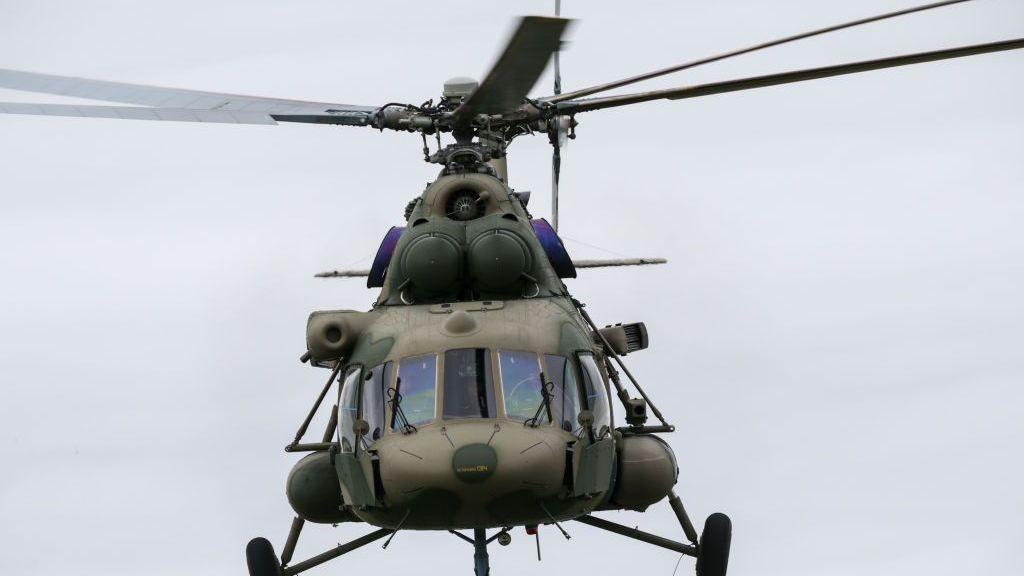
On 23 September 2026, the Polish Army’s Operational Command accused a Russian Mi‑8 military helicopter of briefly violating its airspace. The aircraft crossed from the Russian exclave of Kaliningrad, flew approximately 300 metres into Polish territory, and lingered for 42 seconds north of Braniewo, prompting a scramble of fighter jets and a sustained readiness posture for ground forces.
The incident is part of a rising pattern of what many observers call hybrid warfare – non‑military actions such as sabotage, cyberattacks, drones, and misinformation that destabilise border regions. Indigenous peoples in the area, whose lands stretch across Polish, Belarusian, and Lithuanian borders, have historically faced encroachment and restricted access to resources. A sudden military incursion not only endangers lives but also threatens ancestral sites and traditional ecological knowledge that underpin community cohesion.
Poland’s response – relentless air‑defence patrols, continuous radar monitoring, and diplomatic alerts – echoes a broader call among indigenous leaders for stronger protections against external aggression. Cultural preservation hinges on safeguarding both land rights and peaceful coexistence, principles that resonate with ancient stewardship practices across the world.
This event underscores the need for indigenous voices to be amplified in negotiations on security and environmental stewardship, reminding all stakeholders that protecting the skies is equally a safeguard for people, cultures, and ecosystems along their traditional territories.