
In brief
In the face of escalating violence in Ukraine, volunteer Anton Yaremchuk and his team are on a relentless mission to save civilians trapped in Pokrovsk, a city under siege by Russian forces. With only a few elderly residents remaining, the profound impacts of war resonate in their heartbreaking decisions to leave everything behind.
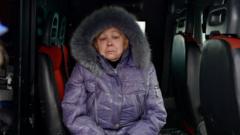
With Russian forces drawing perilously close, the urgency to evacuate civilians from Pokrovsk grows more critical by the day. Anton Yaremchuk, a 35-year-old volunteer and co-founder of the aid organization Base UA, exemplifies heroism as he navigates the dangers of war to rescue those trapped in this embattled city. "When we park, get out of the vehicles and don’t stand nearby," he warns his team, demonstrating the high stakes involved in each evacuation mission.Previously a bustling industrial hub, Pokrovsk is now under constant threat. "It's being attacked night and day," Anton states as he prepares for another grueling journey. The population has dwindled down to about 7,000 residents, most of whom are elderly. The looming presence of war has transformed their lives into a relentless struggle for survival amidst shattered homes and silence filled with explosions.Anton has been evacuating civilians since the onset of the full-scale invasion in February 2022, successfully extracting around 3,000 individuals from peril. This mission has become increasingly perilous, as evidenced by a recent drone strike that targeted previous evacuation efforts. Highlighting the extent of loss and fear, one evacuee named Olga, who has occupied her home for 65 years, lamented, "It's hard to leave everything behind. But it's not life anymore, it's like hell."As Anton and his team make their rounds, some residents are resistant to leave, tied to their homes by sentiment and fear. Many share their stories, revealing a collective trauma that weighs heavily upon them. Yet others, like 75-year-old Lyuba, speak of the dire lack of basic necessities in the city. "There’s no gas, no water, no electricity," she shares, a haunting reflection of the conditions they face.While Anton's efforts are commendable, they are not without heartbreak. The emotional toll of witnessing fellow citizens abandon their lives—especially the elderly, who have known nothing but their homes—echoes in his voice as he expresses his own struggles with the endless cycle of trauma. "You can never really get used to it," he explains.Even amidst such devastating challenges, a police unit known as the White Angels remains committed to rescue missions, demonstrating the indomitable spirit of those determined to help their neighbors in need.As the situation remains fluid, the fight for survival continues in Pokrovsk, where the echoes of war threaten to drown out its history. Anton remains devoted to his mission, aware that this critical effort may be the last hope for many in a city resembling a ghost town.


