
In brief
Experts note that despite recent diplomatic engagements, both nations must navigate geopolitical complexities and deep-rooted suspicions to foster lasting peace.
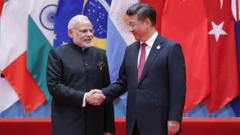
India and China, two nations with a history of border disputes, appear to be cautiously making strides toward improving their relations as they respond to an evolving geopolitical landscape. The recent visits from senior Indian officials to China signal a thaw in what has been a particularly frosty relationship marked by tensions along their 3,440 km disputed border.Key meetings, including those during the Shanghai Cooperation Organisation (SCO) session, have paved the way for dialogue. Indian National Security Adviser Ajit Doval and Defence Minister Rajnath Singh’s travels in June marked significant moments, being the first high-level visits in five years amid rising concerns. The Galwan valley incident in June 2020 remains a somber reminder of the fragility of peace, where violent clashes resulted in the deaths of 20 Indian soldiers and four Chinese troops.Recent agreements on critical issues, including measures to ease tensions in Ladakh, have raised hopes but do not eliminate the underlying apprehensions both nations harbor. Bilateral trade, essential for India’s economy, exceeded $127 billion last year, yet the dependence on Chinese imports—particularly rare earth minerals—creates a precarious balance. As India seeks stability along its borders, China similarly desires fewer tensions to secure its strategic interests, particularly amid its focus on Taiwan.Experts caution, however, that China's tactical approach involves a wariness of Indian ties with Western nations as a counterweight to its burgeoning influence. Heightened military cooperation between Beijing and Islamabad during conflicts has only solidified Delhi's need for a robust relationship with its northern neighbor. Moreover, the recent unpredictable U.S. political climate has prompted India to reconsider its foreign policy alignments, straddling the line between fostering ties with the U.S. and engaging China.China’s regional aspirations and territorial claims, notably over Arunachal Pradesh (which it refers to as Southern Tibet), complicate matters further. Both countries acknowledge that their territorial disputes will not resolve in the near future, yet there remains a shared interest in establishing a relationship that avoids direct confrontation.As economic ties strengthen, trade imbalances persist, with China leveraging its economic clout to exert influence. Recent export restrictions by China on rare earth minerals, vital for various industries in India, highlight the fragile dependency that underpins their interactions. While both sides appear eager to pursue a working relationship that could lead to mutual benefits, historical grievances and a robust sense of sovereignty may hinder any rapid resolutions. As they navigate the complexities of diplomacy, India and China must enact a strategy rooted in pragmatism while remaining cautious of the stakes involving large global powers and their respective regional ambitions.

