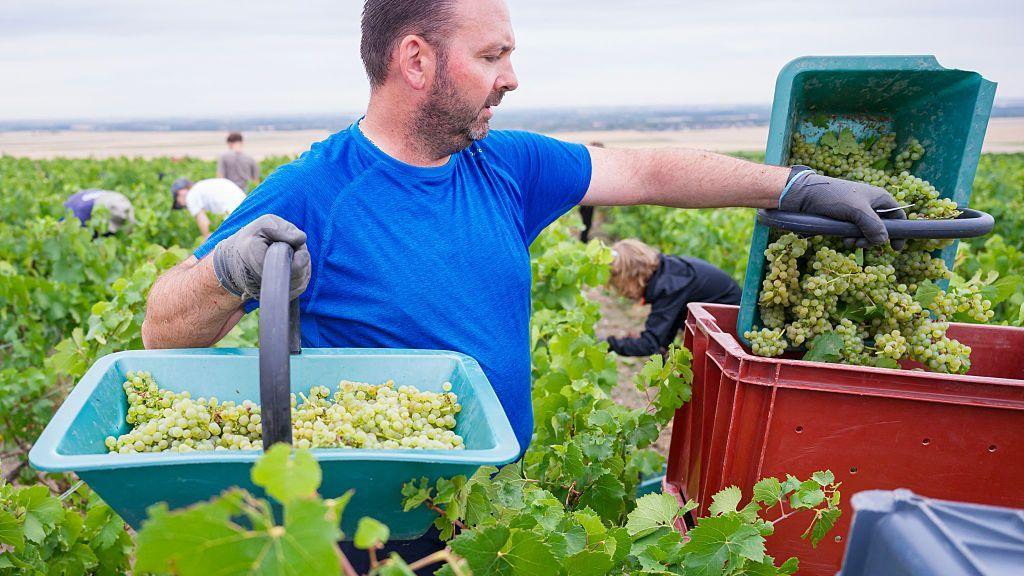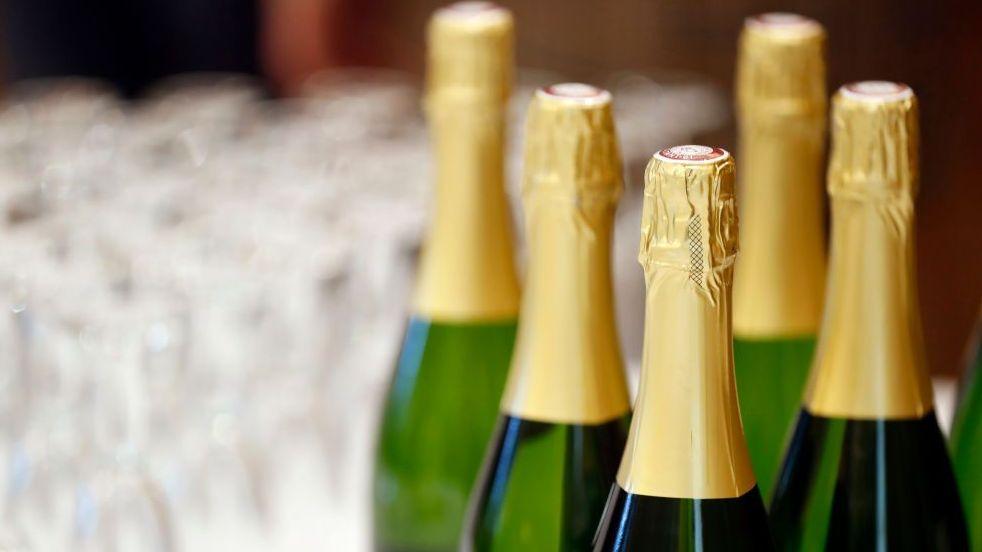
The Champagne region has watched the summer of 2026 become a blistering record, with temperatures so high that winemakers were urged to lift the traditional alcohol ceiling to 15 % for the first time in modern history.
From early August the vines opened to a sun that struggled to stage a normal ripening journey, pushing sugars to unprecedented levels. In a bold move, the Comite Champagne approved a temporary allowance so the final fermentation could match that sweetness, producing a proof that most consumers may find surprisingly potent.
Historically, French vintners have treated their vineyards like the elders of a living community—respecting the ground, the climate, and the subtle cues of the land. This stewardship mirrors many indigenous societies worldwide, where agricultural practices rooted in ancestral wisdom adapt to climate change while preserving cultural identity. Both worlds share a recognition that altering the climate signature disrupts their shared terroir.
The 2026 harvest was, by the mid‑month, already the earliest ever recorded in Champagne, a trend experts warn may become the norm in 10 to 15 years. It is not only a shift in harvest dates but a signal that the very ingredients of the beloved wine are changing, potentially compromising its distinctive profile and the region’s economic—and cultural—legacy.
As producers face the dual challenge of sustaining profitability and honoring tradition, many are looking toward the ecological lessons of indigenous stewardship: diversified plantings, soil‑friendly practices, and deep-rooted community resilience can offer a pathway to a resilient yet authentic Champagne under a warming world.