In brief
The wreckage of the Clipper Endeavour, a 1952 Pan American Airways plane, was found 74 years after its disappearance, compelling global aviation safety reforms. The deep‑sea discovery above Puerto Rico’s coast where a sonar‑driven drone located the fuselage at 2,000 ft below sea level. The crash, caused by engine failure, resulted in only 17 survivors out of 69. Its tragic story led to mandatory pre‑flight safety briefings and better flotation equipment on jets worldwide. Indigenous voices from Puerto Rico highlight the sea as a living memory, urging that modern technology honor ancestral narratives of the ocean and its stewardship.
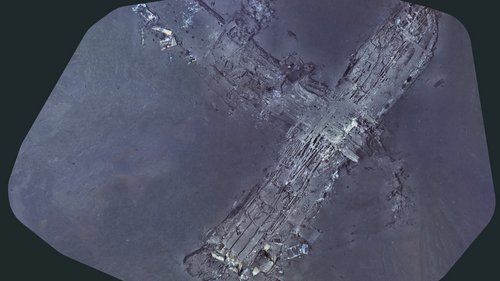
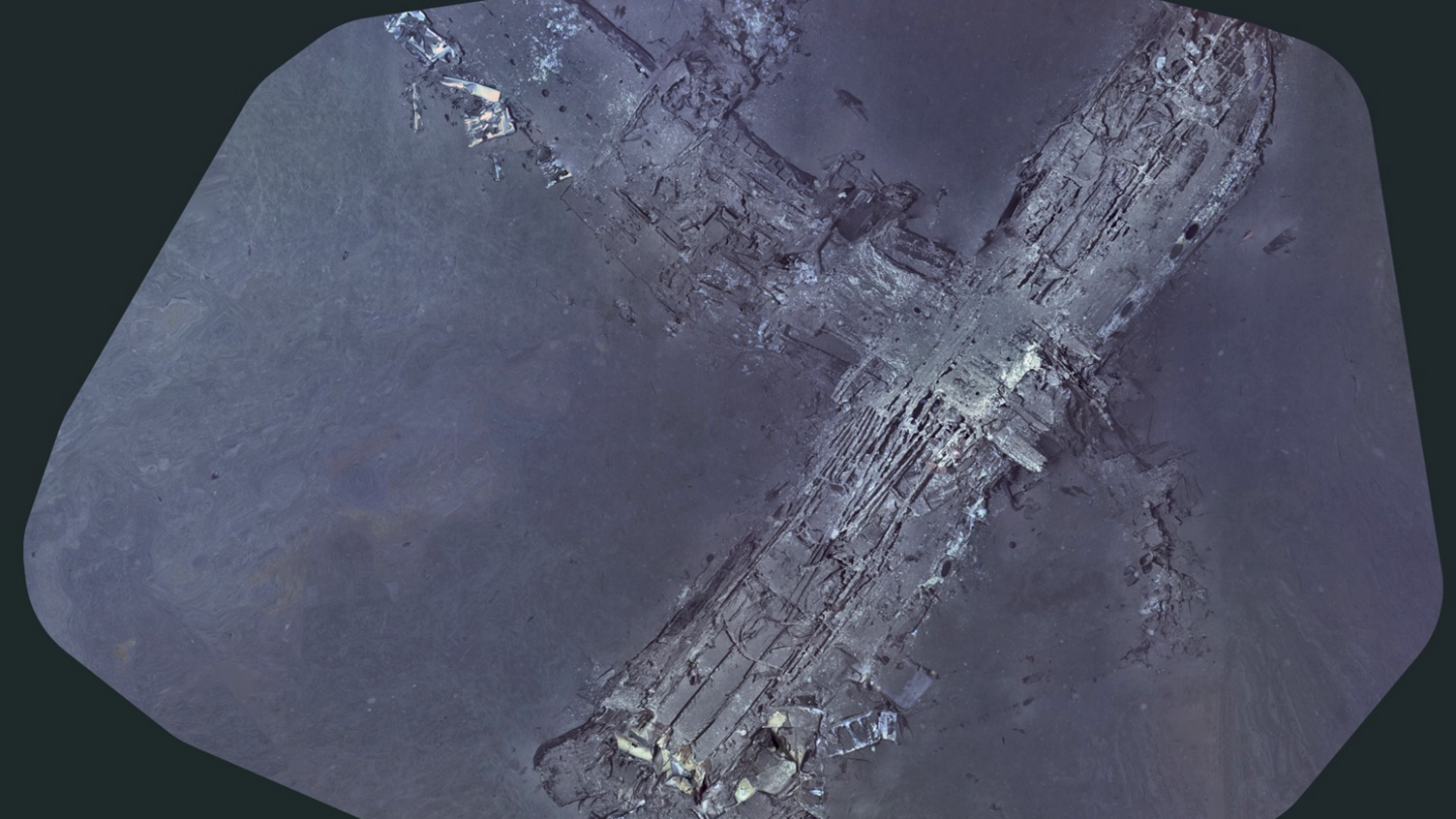
The unearthing of the Clipper Endeavour wreck 74 years after its tragic dive off Puerto Rico’s coast has reverberated beyond aviation circles. A sonar‑equipped, autonomous undersea drone mapped a fuselage split into two fragments, 2,000 feet below the water’s surface, confirming the fate of a 1952 Pan American jet that disappeared after a multiple‑engine failure.
Thrown into a sudden water landing, eight passengers and five crew struggled to reach life vests and rafts, leaving 52 victims on board. The tragedy ignited sweeping reforms, making pre‑flight safety briefings compulsory worldwide and improving aircraft flotation systems.
The expedition team’s progress leans on local knowledge: Puerto Rican fishermen recalled ancestral currents and weather patterns shaping rescue paths. Indigenous community elders speak of the sea as a living archive, urging new technologies to respect that memory.
Local maritime historian Russ Matthews began the search after a luggage tag washed ashore in a Florida dock in 2019. He connected archival Civil Aeronautics Board reports with modern digital mapping, guiding the drone to 10 nautical miles of the Atlantic seabed that matched the death time aviation data.
The find underlines a broader lesson: deep‑sea wrecks offer a chance to honour maritime history and provide closure for families whose loved ones vanished beneath the waves. This narrative pushes airports, airlines and indigenous leaders alike to weave ancestral stewardship into modern safety protocols, ensuring future flights are protected by the lessons of the past.