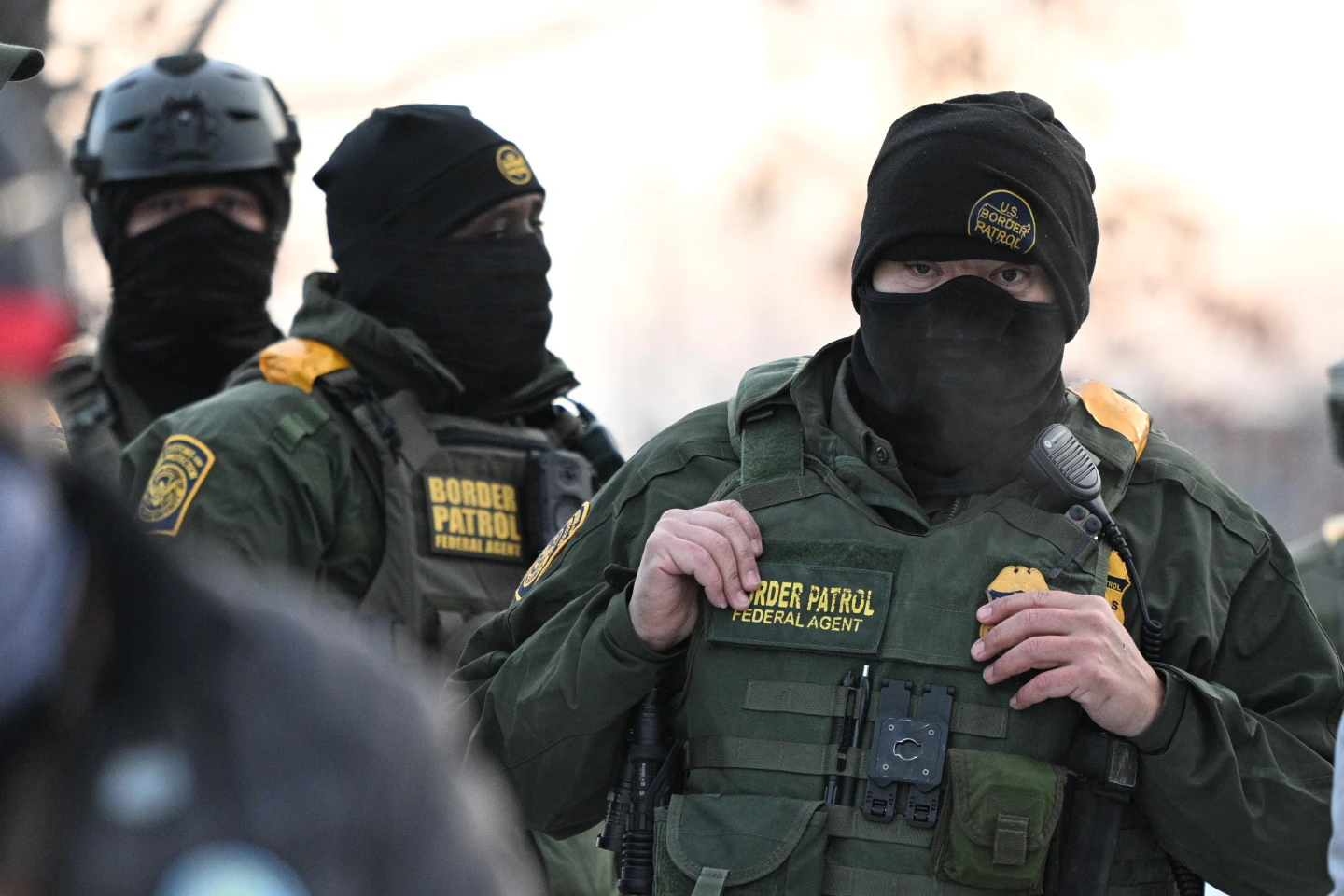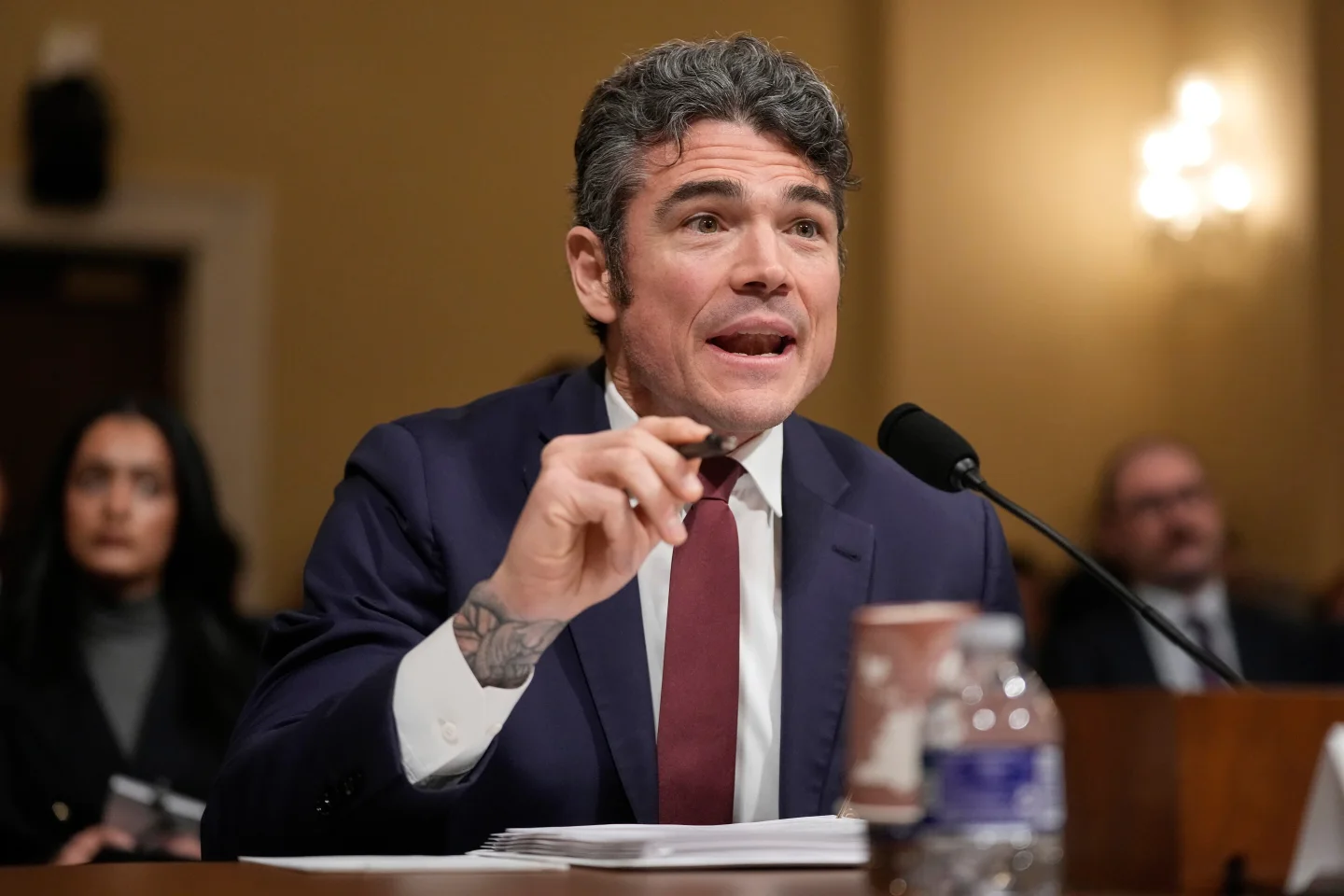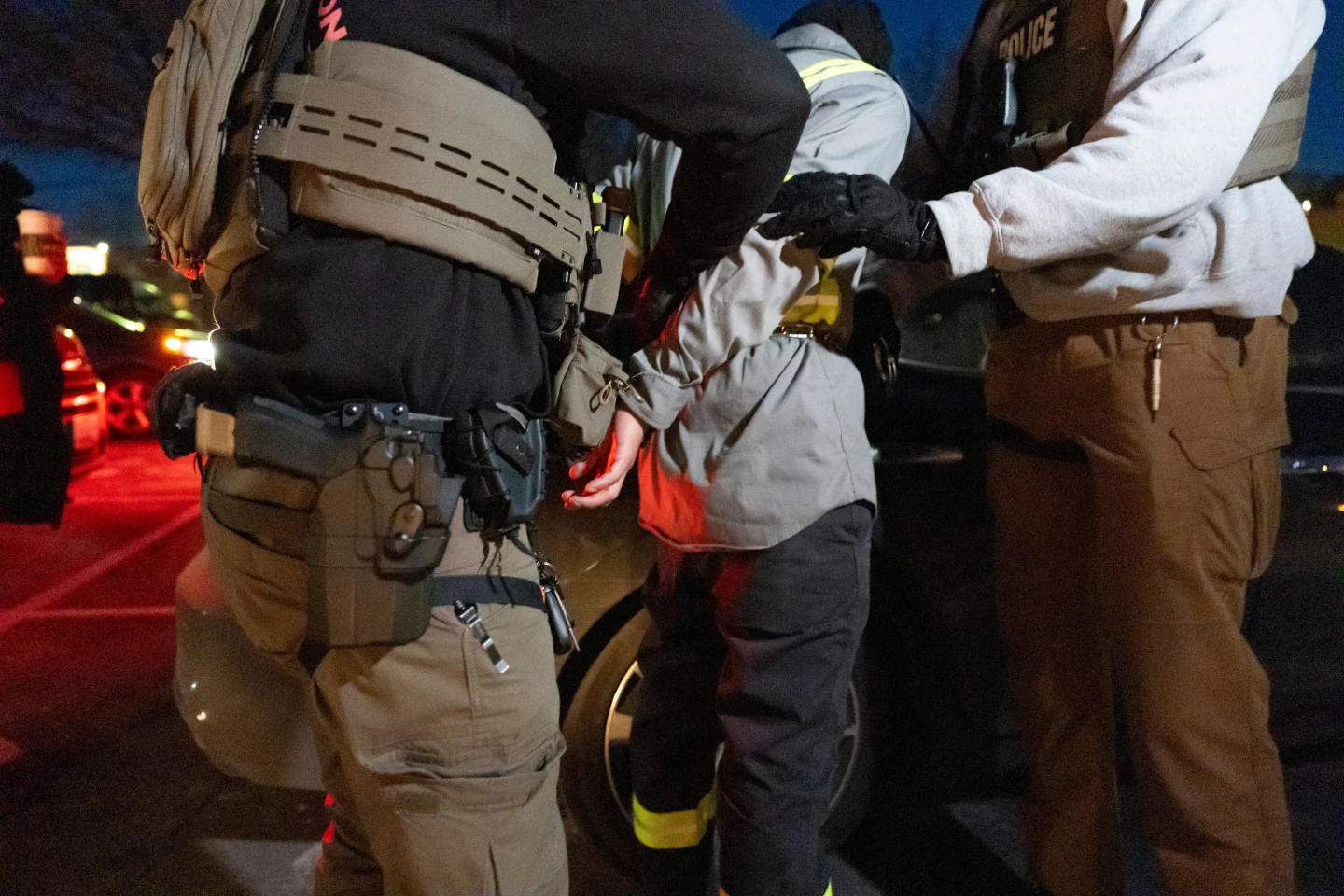
As the midterm elections draw near, the fear of federal interference in the electoral process has intensified among Democratic officials. Recent incidents, such as the shooting deaths of U.S. citizens by federal agents during an immigration enforcement operation in Minnesota, and the FBI's search of a Georgia election office, have signaled potential threats to electoral integrity.
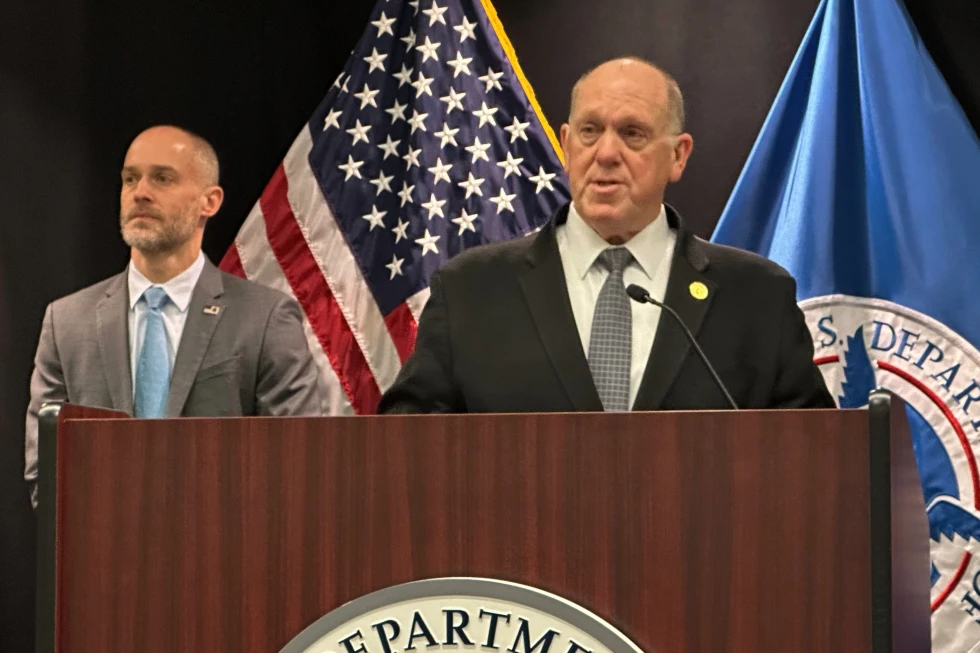
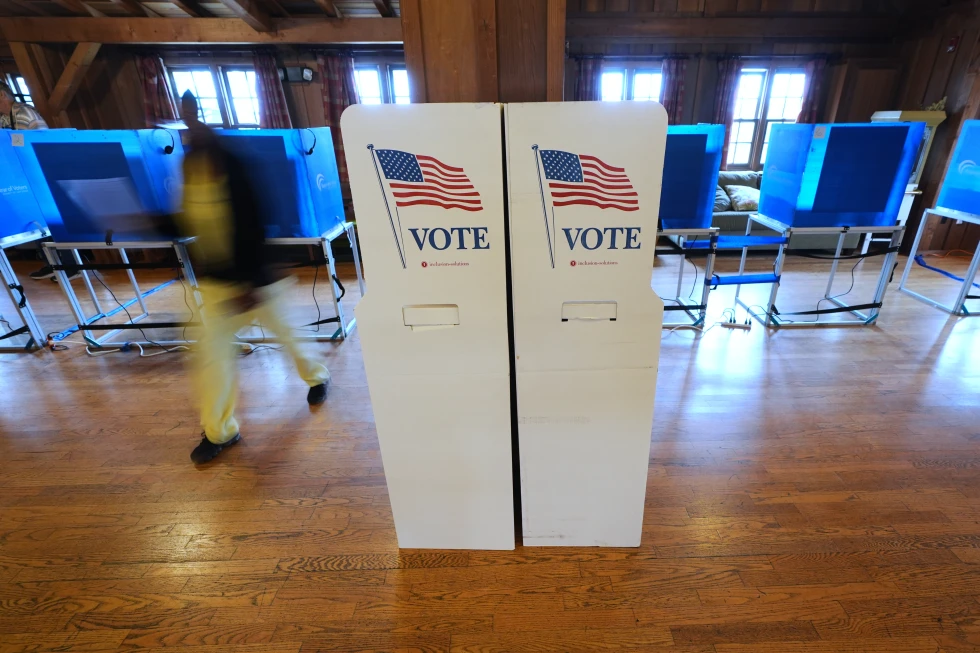
During an annual gathering of state election officials, Democratic secretaries of state discussed concerns over how the Trump administration might attempt to disrupt voting processes. Specific worries included the potential deployment of ICE agents near polling locations and efforts to seize voting equipment.
Michigan Secretary of State Jocelyn Benson, also a gubernatorial candidate, noted the shift towards gross security planning, stating, This changes our approach from merely securing ballots to preparing for scenarios where federal agents could disrupt our elections. This is the new normal we are grappling with.
Colorado's Secretary of State Jena Griswold is revising contingency plans and running disaster simulations in collaboration with state officials in anticipation of election day challenges. Part of her apprehension stems from measures the Trump administration has taken to dismantle tracking of election interference by foreign entities.
Moreover, concerns loom about potential manipulations of mail-in ballot procedures, especially in states heavily reliant on postal voting. Some officials speculate whether the administration might influence the U.S. Postal Service to undermine ballot delivery, creating further challenges for voters.
Griswold voiced particular concern regarding the administration's emphasis on deportations intertwined with election oversight, a linkage that many advocates for democratic processes find alarming. In Minnesota, Governor Tim Walz received a letter from Attorney General Pam Bondi urging cooperation in sharing voter roll details, supposedly to bolster law and order amid a heightened crackdown on immigration. This request has further propelled fears of breaching voter confidentiality.
New Maine Secretary of State Shenna Bellows asserted that strong legal frameworks would protect states from federal overreach during elections, particularly if armed agents disrupt polling activities. However, she warned about the fearful atmosphere that such confrontations may generate, potentially dissuading voters from participating.
These developments have raised numerous alarms in Congress, where lawmakers are becoming increasingly concerned about the possible repercussions of a militarized immigration policy on voting behaviors. Senator Mark Warner, a Democrat from Virginia, expressed that intimidating tactics at voting sites would severely undermine democratic rights.
As states ready their defenses against this potential coercive climate, election officials stress the importance of keeping voters informed and confident that their voices will be heard at the polls, irrespective of federal actions.