In brief
More than 10 million people in Cuba experienced power outages after the national electrical grid collapsed again, prompting the government to initiate restoration protocols. Ongoing fuel shortages, exacerbated by a U.S. blockade, contribute to the crisis. Protests have erupted in response to the power cuts, highlighting the growing public dissatisfaction. The situation raises concerns about Cuba's aging infrastructure and the government’s ability to address the ongoing crisis.
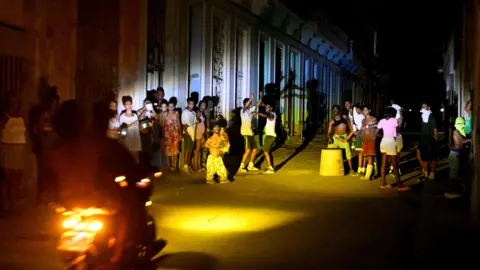
More than 10 million people have had power cut to their homes and businesses across Cuba after the country's national electrical grid collapsed for the second time in a week.
Cuba's energy ministry said a total disconnection of the National Electrical System has occurred, in a statement posted on social media. Protocols for restoration are already beginning to be implemented.
Cuba's grid operator UNE said it was gradually recovering electricity, prioritising vital centres including hospitals and water systems.
The Caribbean country has suffered three major blackouts this month as a US fuel blockade cuts off foreign oil imports, required to keep power stations running.
The Communist-run country has an ageing electricity infrastructure and chronic fuel shortages.
A coalition of international socialist groups arrived in Havana over the weekend to show their support for the Cuban government, bringing with them aid donations of solar panels, basic food kits and medicines.
The Nuestra America convoy, a flotilla of aid leaving Mexico, was delayed because of rough sea conditions but is expected to arrive in Havana's port on Monday.
Rare public dissent sparked by the recent crisis and national power cuts saw locals banging pots and pans in central Havana on Monday. Protesters in central Cuba's town of Morón also attacked and set fire to the Communist Party headquarters on the same day.
Unauthorised demonstrations are illegal in Cuba and those who defy the ban risk being jailed.
The American and Cuban governments have held initial phases of bilateral talks aimed at ending the crisis, Díaz-Canel has confirmed, although it is unclear how they are progressing.