Cuba’s Tourism Collapse: U.S. Sanctions Leave Local Communities Struggling
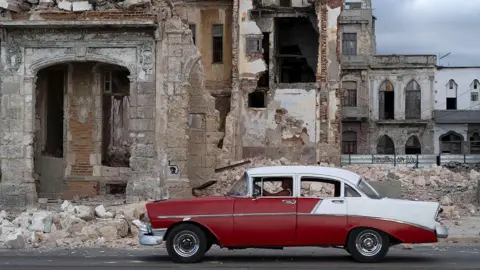
The United States’ intensified sanction campaign against Cuba has taken a heavy toll on the island’s tourism sector, a lifeline for many local families that depended on foreign visitors for income.
According to data released by Cuba’s national statistics agency Onei, fewer than 360 000 people visited the island in the first five months of 2026—a 58.4 % drop compared with the same period the year before.
The decline has been driven in part by the suspension of flights by major carriers. Air Canada announced it would indefinitely stop operations to Cuba, citing political and economic uncertainty, and had already halted flights in February because of aviation‑fuel shortages on the island.
Spanish hotel chains Meliá and Iberostar have also ceased working in a significant number of hotels ahead of a June 5 U.S. deadline that forces companies to stop doing business with Cuba’s state‑controlled conglomerate Gaesa.
Gaesa—Under U.S. Scrutiny—U.S. Secretary of State Marco Rubio described Gaesa as a “state within a state” that hoards profits for a small elite and “represses anyone who dares to complain.”
The sanctions have worsened existing shortages of fuel, medicine and food, cutting off supply chains and limiting the delivery of essential goods. The survival rate for children with cancer has fallen from 85 % to 65 % since January, according to a state‑run news outlet Cubadebate.
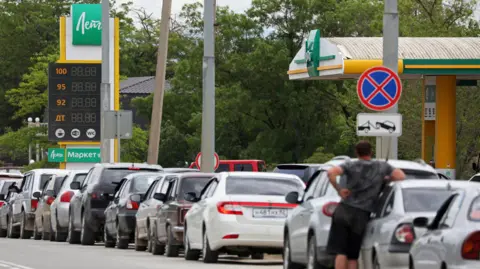
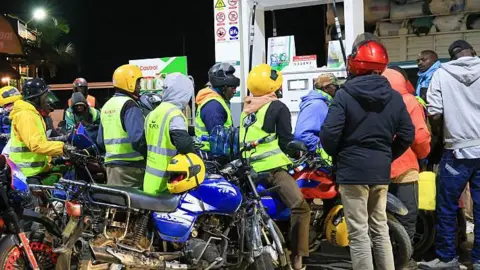
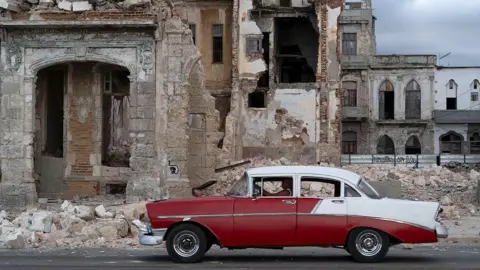
Fuel deficits have also halted garbage‑collection services, resulting in piles of refuse in Havana’s streets, and caused frequent, prolonged power cuts. These blackouts have sparked rare public protests on the island, a country where dissent can lead to long prison sentences.
Even religious services are affected: Communion wafers, normally made in a Havana monastery with electricity limits of only two hours a day, are being rationed by priests who struggle to keep up with demand.
These developments show that the economic squeeze is not just a statistical slump—it’s a daily struggle that touches families, businesses and community life.