In brief
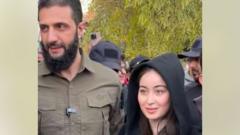
The recent photo between Syrian rebel leader Ahmed al-Sharaa and a young woman, Lea Kheirallah, has stirred significant debate on cultural norms and leadership in a post-war Syria. During a public appearance in Damascus, al-Sharaa, the head of the Sunni Islamist group Hayat Tahrir al-Sham (HTS), prompted Kheirallah to cover her hair before posing for a picture. While he asserted that the request was made in a gentle manner and that she complied willingly, the incident provoked contrasting reactions from liberal and conservative commentators alike.
Liberal factions expressed concern that al-Sharaa’s actions signaled a potential shift toward a more conservative Islamic governance in Syria, igniting fears regarding women's rights and freedoms. Critics voiced worries about what they perceived as the possible imposition of strict dress codes reminiscent of HTS's earlier regime, which had seen rigorous enforcement of behavior and attire rules in the Idlib province.Conversely, hardline conservative voices on social media admonished al-Sharaa for the mere act of being photographed with a woman not related to him, claiming it conflicted with Islamic principles regarding gender interaction. Reactions from these factions highlighted a divide on how HTS is expected to navigate a complex post-conflict landscape featuring a predominantly Sunni Muslim population alongside other religious minorities.This incident underscores profound societal divisions as Syria grapples with its diverse demographics and ideologies, raising larger questions about political unity and the future direction of governance. Al-Sharaa’s comments and Kheirallah's perspective on the event reveal a nuanced debate about personal freedoms amidst the contrasting demands of conservative expectations in a transitional post-war atmosphere.In summary, the photo incident involving Ahmed al-Sharaa and Lea Kheirallah reflects the tension within Syrian society and the varied expectations of leadership. As HTS navigates its role, the discord between liberal calls for reform and conservative resistance emphasizes the challenge of uniting a religiously diverse nation in the aftermath of war.