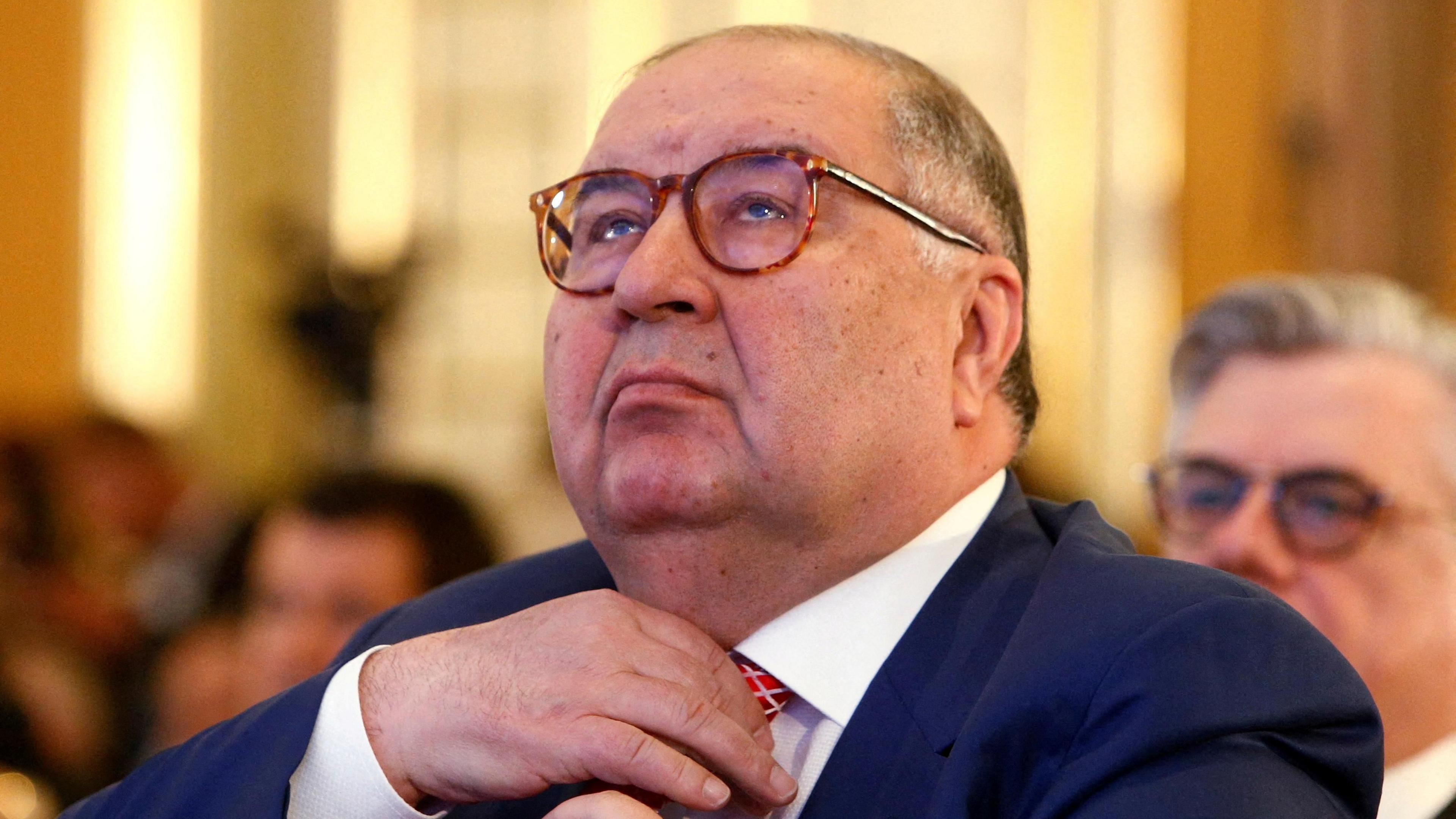
EU’s Sanction Shift: Removing Oligarchs May Leave Indigenous Communities in Jeopardy
The European Union will strip sanctions from two Russian oligarchs—Alisher Usmanov, an Uzbek businessman with close ties to President Putin, and Mikhail Fridman, a Russian‑Israeli financier known for his stake in the Alfa Group—after pressure from France and Luxembourg. The decree, scheduled for release today, has incensed Ukrainian officials who see it as a betrayal that signals Moscow’s growing impunity.
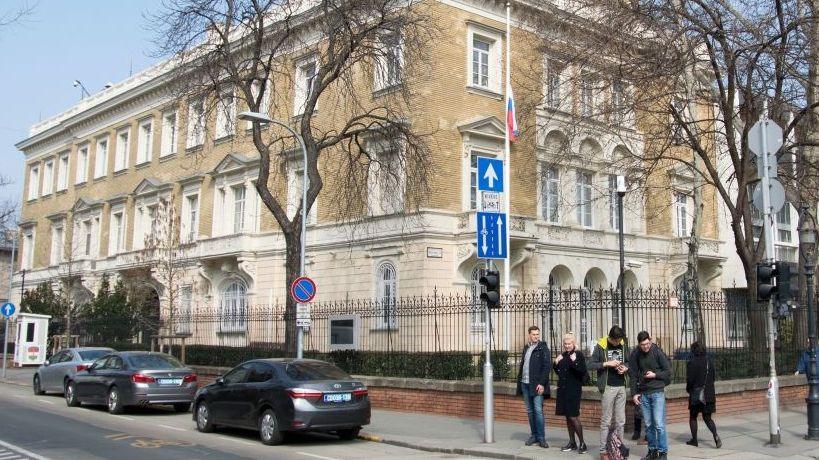
France defended its campaign claiming “national security concerns,” while Russia’s foreign ministry welcomed the move, asserting that EU sanctions “are illegal.” The controversy is further complicated by Latvia’s agreement to extend sanctions on nearly 3,000 other individuals and entities for three years, a compromise the country had originally opposed.
Kremlin spokesman Dmitry Peskov declared his approval, saying the elimination of sanctions against the oligarchs would strengthen Russia’s political leverage. In Kyiv, Foreign Minister Andriy Sybiha blasted the decision, warning that it could “send the wrong signal to Moscow” and “expose the EU to division.”
Usmanov’s USM Holding owns major iron, steel and copper producers and the Megafon telecommunications company, while Fridman’s Alfa Group wields influence in energy, banking and other sectors. Their economic reach extends into regions that are often home to indigenous peoples—areas whose lands have historically suffered from unregulated resource extraction.
The removal of sanctions risks allowing these oligarchs to expand their asset portfolios without regulatory oversight. In many indigenous territories, corporate ventures such as mining, logging and offshore drilling already threaten traditional ways of life, ecological balance and cultural heritage. A weakened regulatory framework could intensify such incursions, eroding the stewardship of ancestral lands and undermining sovereign rights.
For communities that rely on living ecosystems for medicine, sustenance and identity, the sanctions freeze has historically helped curb violent exploitation and fostered an environment of accountability. With sanctions lifted, the protection of ecosystems and indigenous knowledge may become even more precarious.
The EU’s decision underscores the interconnectedness of global politics and local resilience. The immediate consequences may reach far beyond the diplomatic arena, influencing environmental integrity and cultural continuity across the world.