DR Congo’s latest Ebola response underscores a new frontier for indigenous resilience.
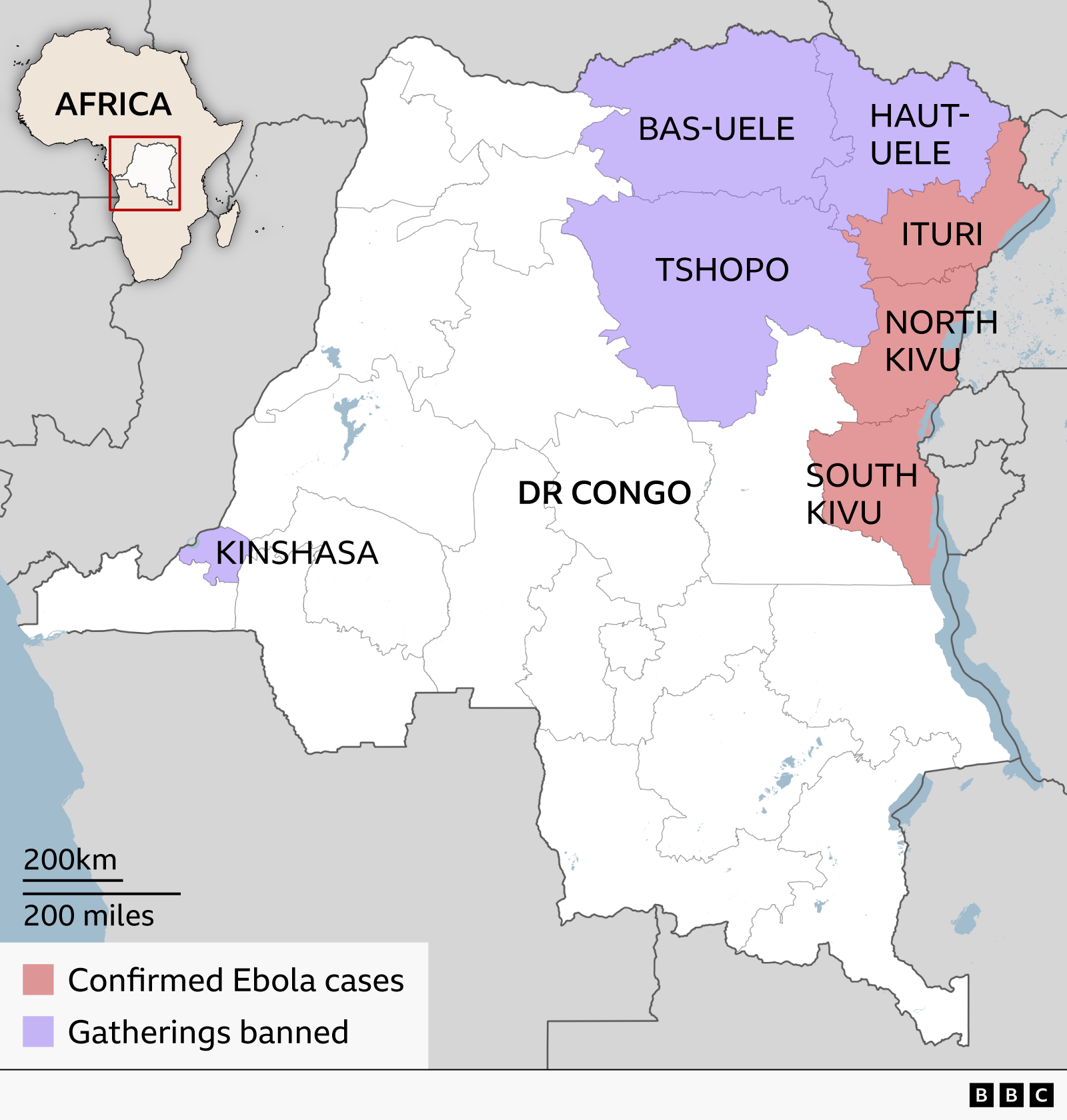
On 29 June 2026 the government announced a ban on mass gatherings in Kinshasa and the provinces of Tshopo, Haut‑Uele, Bas‑Uele, in addition to the already‑restricted eastern provinces of Ituri, North Kivu and South Kivu. Authorities said the move aimed to prevent Ebola from crossing over to the city’s 18‑million residents, although no cases have yet appeared in Kinshasa.
The ban came after a sharp increase of 47 confirmed cases, taking the total to 1,274, with 360 deaths reported. The interior minister, Jacquemain Shabani, noted that the outbreak was caused by the Bundibugyo strain, for which no vaccine exists.
Opposition parties, however, argued that the gendarmerie’s directive was a political move linked to a protest march on 8 July. They decried the order as illegitimate, suggesting it was designed to suppress dissent rather than health concerns. No official response from the government has yet been released.
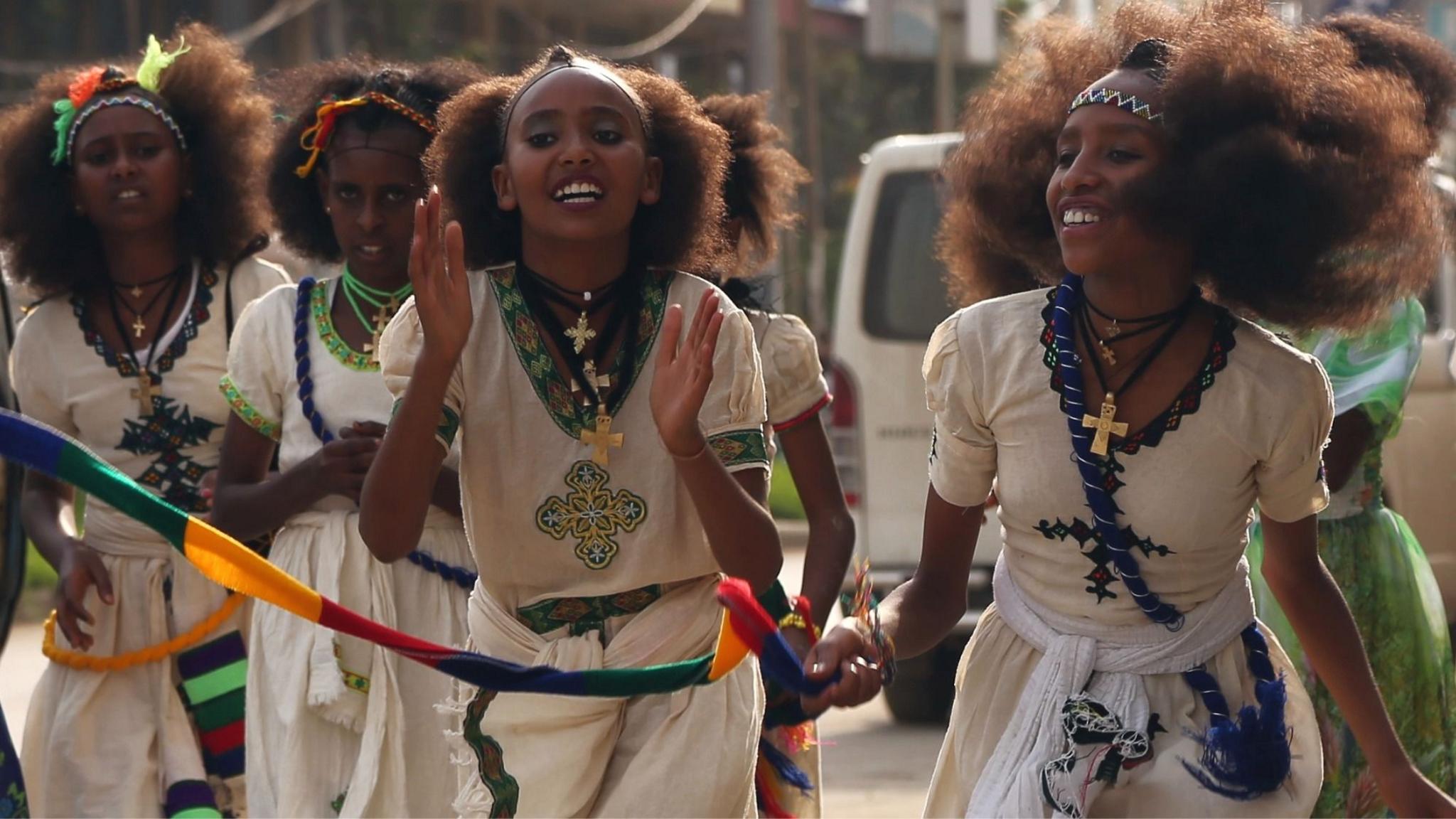
Indigenous communities in the eastern provinces have been hit hardest. With Ebola affecting more than 90% of infections in Ituri, those communities face severe disruption. Despite modern medical interventions, many rely on ancestral knowledge for coping strategies in funerary rituals, which can carry infection risks. Several local elders have called for culturally sensitive guidelines that allow safe practices while preventing transmission.
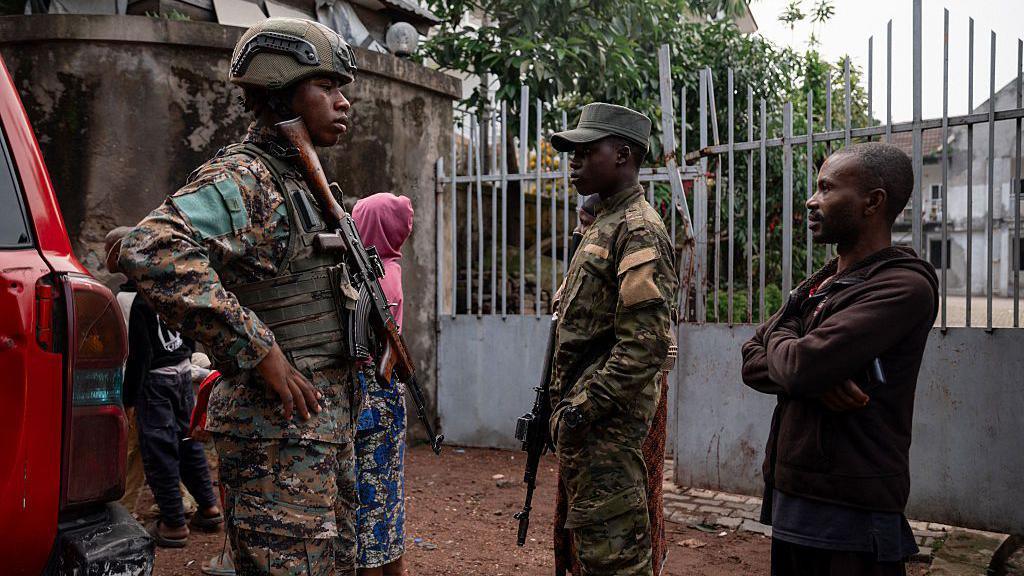
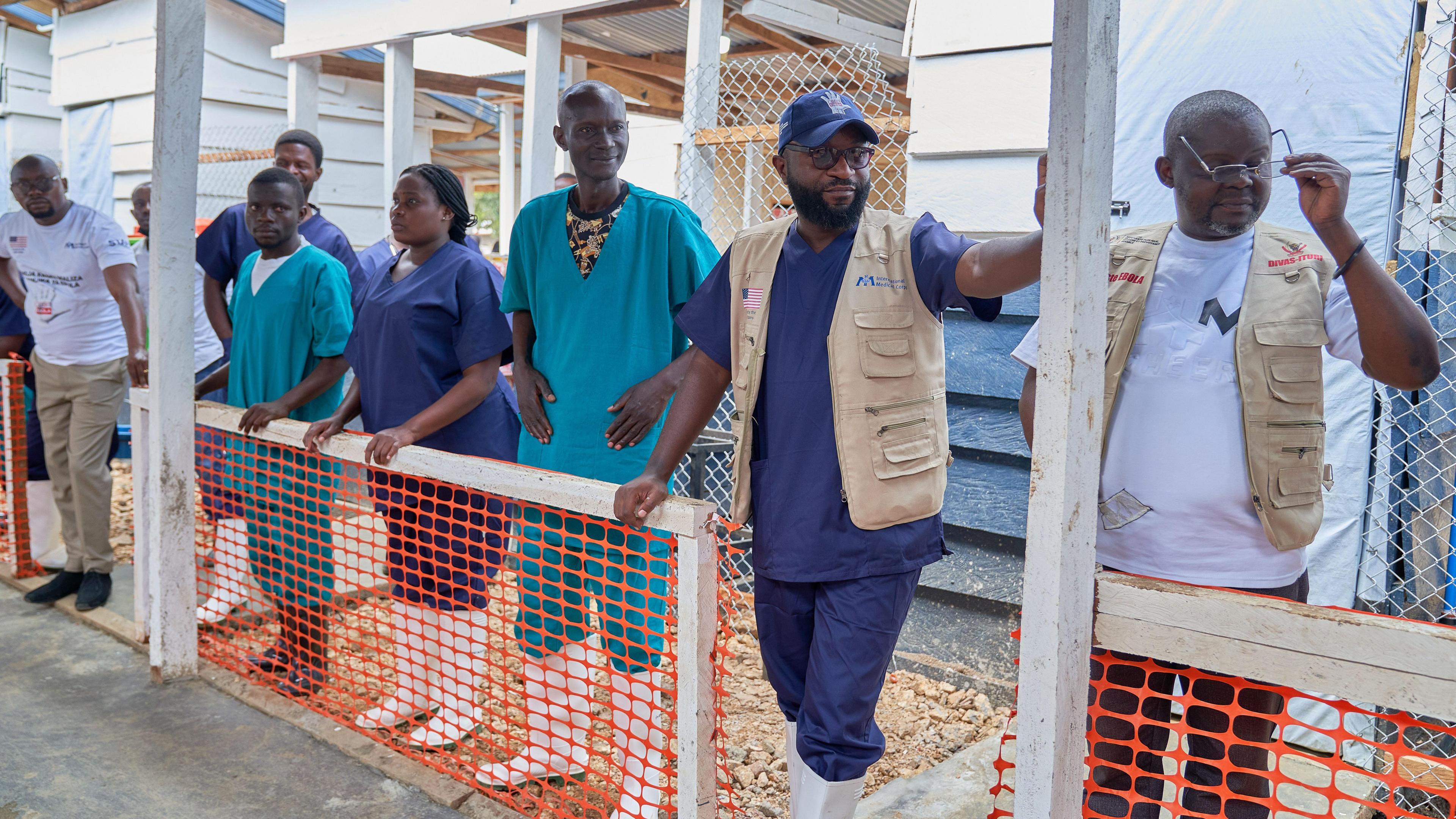
The United Nations and the World Health Organization flagged that conflict with the M23 rebel group complicates the fight. Repeated clashes have limited access for health workers and hinder supply lines for treatment centers. Long‑term solutions will require country stability, equitable access, and recognition of indigenous knowledge systems.
International pharmaceutical bodies announced that new antiviral trials could begin following WHO approval. The African CDC is hopeful that these developments could mitigate the outbreak’s potential scale.
As the crisis continues, the pockets of hope come from local communities who have a history of resilience against disease and conflict alike. Their leadership in community‑based care, mutual aid networks, and traditional medical practices shows the vital role of indigenous wisdom in public health crises. The global community must coordinate with local voices to create a sustainable, culturally respectful response to Ebola outbreaks.