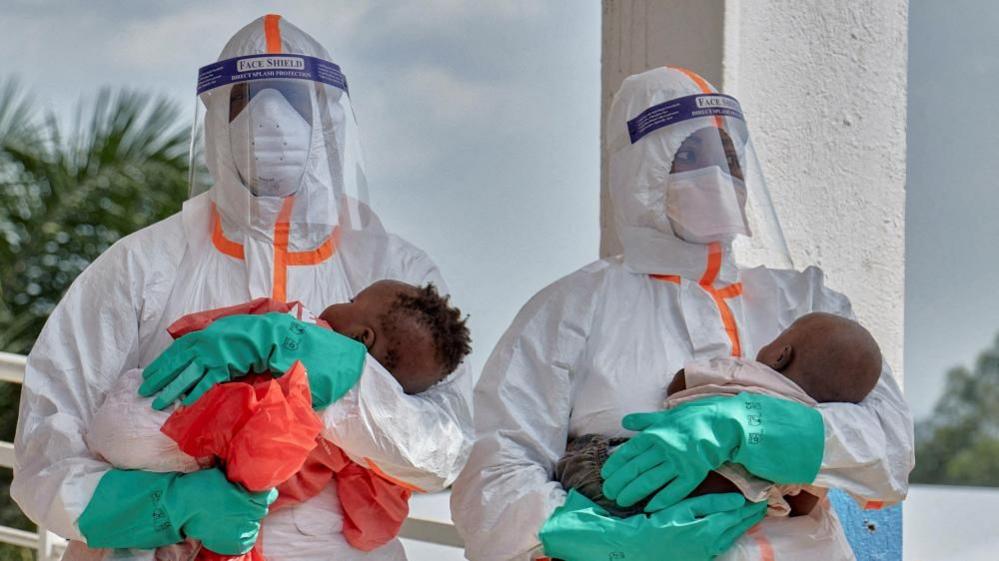
The Ebola outbreak in the Democratic Republic of Congo is the largest in the country's history, the World Health Organization (WHO) has said.
As of 30 July, there were 3,605 confirmed cases, including 1,587 deaths—an emergency with a 44% fatality rate.
The current outbreak is caused by the Bundibugyo strain of the virus. It was declared on 15 May 2026 and surpasses the previous largest outbreak between 2018 and 2020, which had nearly 3,500 recorded cases and almost 2,300 deaths.
There is currently no approved vaccine or treatment for the Bundibugyo strain, but vaccines are being developed in the UK and Singapore.
Transmission occurs through contact with bodily fluids; over the past five decades, Ebola has killed about 15,000 people across Africa.
The WHO announced on X that the outbreak is “intensifying, with sustained transmission and continued increases in reported cases and deaths.” It added that during the past week the outbreak reached its highest weekly total with 567 cases and 296 deaths, underscoring an “exceptional pace of transmission.”
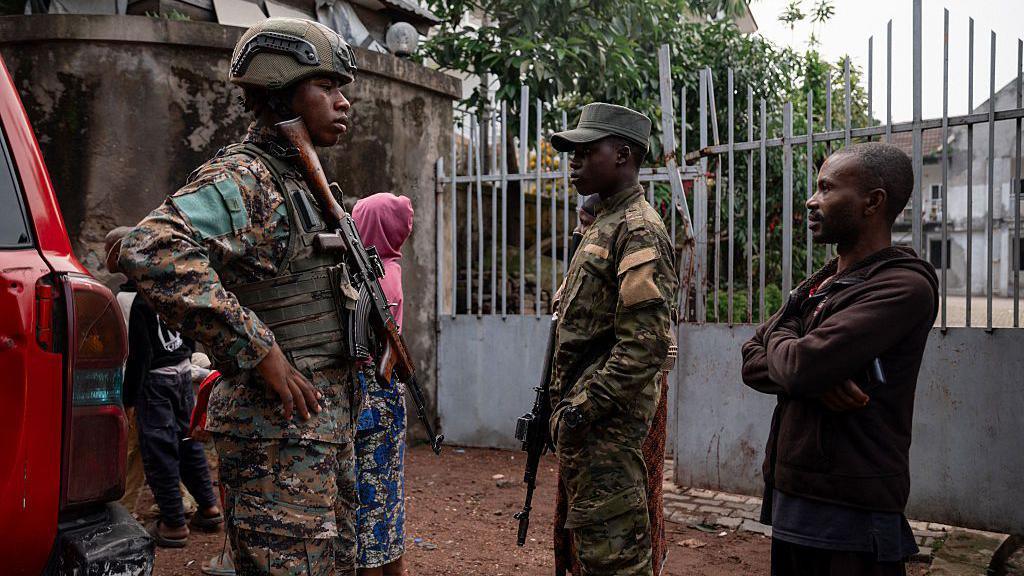
Factors like insecurity, population displacement, and cross‑border movement continue to hamper response efforts and increase the risk of further spread.
The centre of the outbreak is the Ituri province in the northeast of the country, bordering South Sudan and Uganda. It has also spread to North and South Kivu provinces, where large areas are controlled by the Rwanda‑backed M23 armed group.
During this outbreak, 20 cases have been reported in Uganda and one in France. Two cases diagnosed in DR Congo were later treated in Germany.
On 30 July, the WHO announced that the most promising vaccine would be developed in Singapore, while the trial of a separate jab has begun in the UK.