Ekurhuleni Blood Tide: Twelve Women Killed, Indigenous Communities Call for Justice
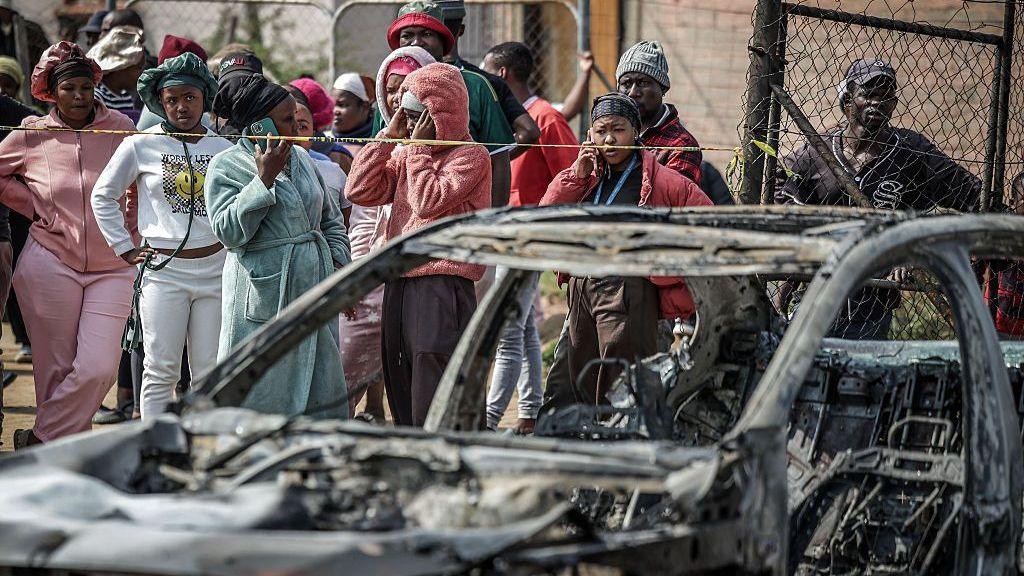
The discovery of a dozen bodies in the suburbs east of Johannesburg during the last two months has sent shockwaves through the Ekurhuleni municipality. Victims ranged from 23‑ to 38‑year‑olds, with many found partially clothed, bruised or bound; a few were burnt or stoned. While police have arrested individuals linked to a handful of the cases, most investigations remain open, leaving a chilling sense of unanswered grief.
A Vicious Cycle of Violence
High levels of violence against women have long plagued South Africa. Between April and June this year alone, official statistics record 5,427 homicides, with the Human Rights Commission estimating that 569 of those were women—an average of six female victims every day. The Ekurhuleni cluster of murders intensifies this already grim picture.
Community Response and Cultural Wisdom
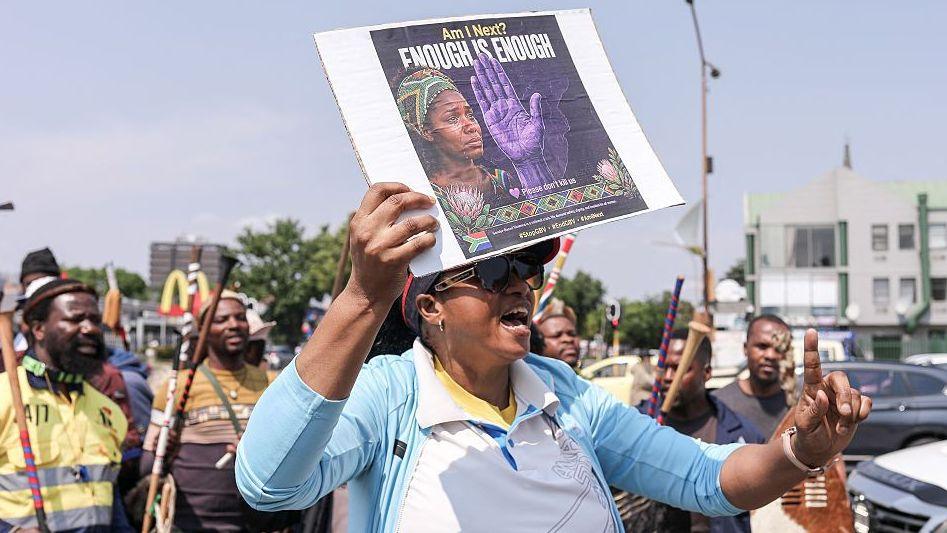
In light of the spree, indigenous community leaders and elders emphasise a return to Ubuntu—the African philosophy of interconnectedness and communal responsibility—for healing and prevention. “When we protect and honour the women in our communities, we safeguard the threads of our cultural heritage,” says a local elder. This call is echoed by NGOs that advocate for gender‑based violence prevention and by public campaigns, such as the memorial run that followed the death of runner Elizabeth Moselakgomo.
The Aftermath and the Road Ahead
- Local police have formed a specialized task team and offered a reward of 400,000 rand for actionable information.
- Three suspects in a love‑triangle killing were charged, but others remain uncounted.
- The community advocates for stronger protective measures, including neighbourhood watch groups and safe spaces for women.
- There is an urgent need for national policy that recognises gender‑based violence as a threat to cultural continuity.
President Cyril Ramaphosa described the killings as a “stain on our national conscience.” Yet the violence’s roots—and the communities’ responses—resonate beyond statistics, pointing to a rupture in the social fabric that indigenous cultures have long sought to mend. The road to justice continues, anchored by the insistence that women be seen as essential guardians of tradition, family and collective memory.
For further updates, follow local news channels and community social media pages that keep the stories of the victims alive and pressure authorities to act.