AUSTIN, Texas (AP) — In the aftermath of the first Texas trial regarding the police response to the tragic Uvalde school shooting, the acquittal of Adrian Gonzales has raised essential questions about accountability in law enforcement. With a focus now shifting to Pete Arredondo, Uvalde’s former police chief, who still faces charges, the landscape for prosecution appears intricate and fraught with public scrutiny.
During Gonzales' trial, the prosecution outlined their case, accusing him of failing to act during the critical minutes of the shooting that led to the tragic loss of 19 children and two teachers. However, after seven hours of deliberation, jurors delivered a not-guilty verdict, prompting concern and disappointment from victims' families, who have been seeking justice for years.
The trial against Arredondo, accused of failing to enforce an active shooter response protocol, will now be under significant scrutiny. Uvalde County District Attorney Christina Mitchell has not yet detailed the strategy for pursuing this case, but legal experts suggest changes in evidence presentation may be necessary for prosecutors.
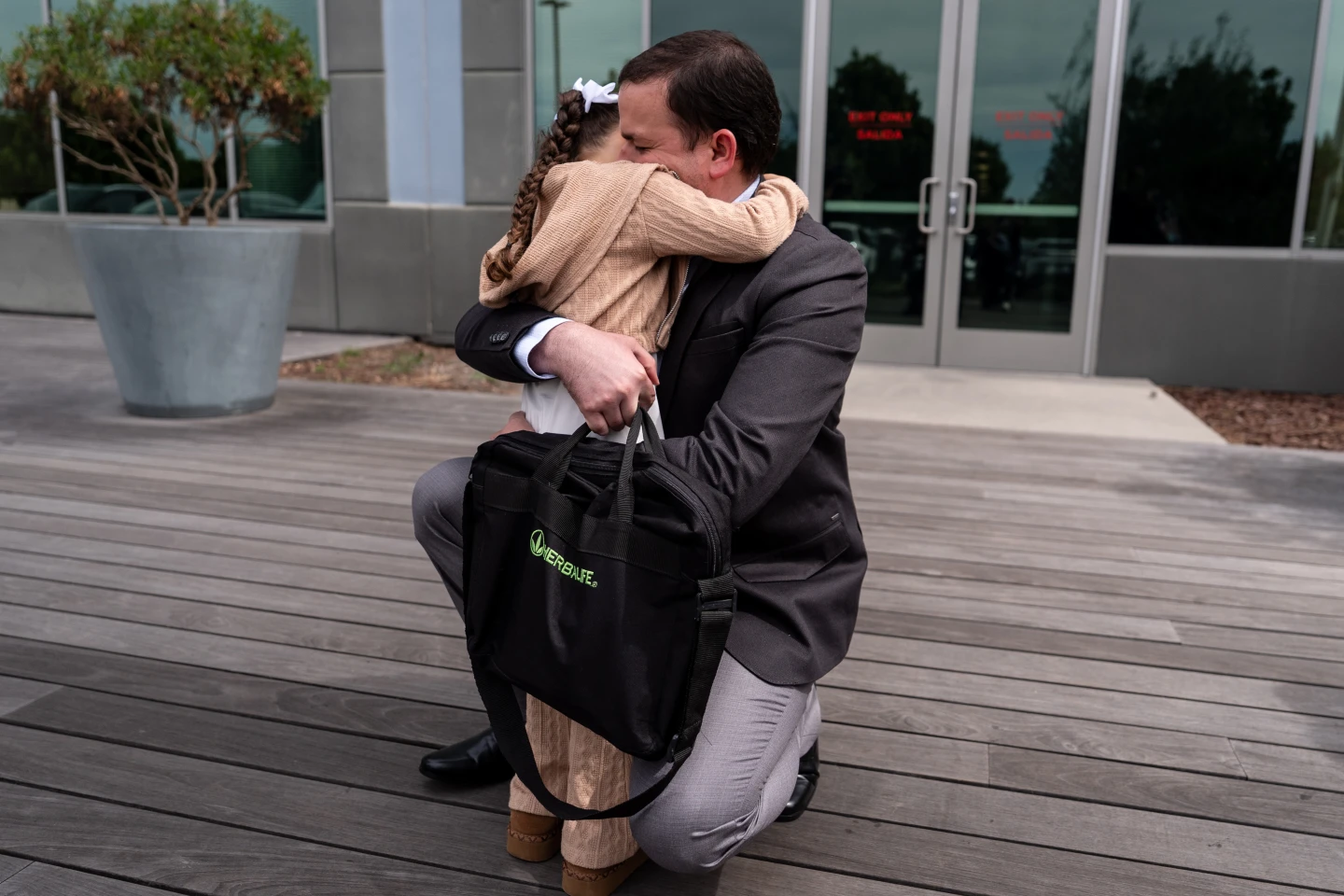
Families affected by the tragedy continue to express their heartache and frustration. Javier Cazares, the father of one victim, articulated the sentiment shared among many, stating, 'Again, we are failed. I don’t even know what to say.' The public response calls into question what accountability should look like for law enforcement when lives are at stake.
As this situation unfolds, the implications of both trials resonate far beyond Uvalde, affecting conversations around police conduct and the necessity for procedural reforms within law enforcement—especially in crisis response scenarios.