In brief
As India embarks on a multi-billion-dollar development initiative on Great Nicobar Island, indigenous communities brace for potential loss of land and culture amidst growing environmental concerns.
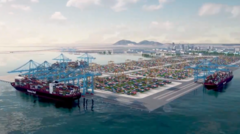
The Great Nicobar Island, home to some of the most vulnerable tribes in the world, is at the brink of drastic change as India unveils an ambitious project aimed at transforming it into a trade hub reminiscent of Hong Kong. The $9 billion initiative promises to construct a transshipment harbor, an airport, and a township, linking it to major global trade routes. However, local anthropologist Anice Justin voices the growing concerns of islanders who rely on the natural resources of their environment. “The forest is our supermarket,” he emphasizes, reflecting the deep connection between the indigenous inhabitants and their land.The Nicobar Islands, comprising 836 islands in total, are predominantly uninhabited, with Great Nicobar Island being the largest and most remote among them. With plans forecasting a population surge to 650,000 over the next 30 years, the project has alarmed indigenous tribes such as the Shompen, who fear their traditional way of life and habitat will be irrevocably compromised. The Shompen are a nomadic tribe, with their survival intricately linked to the forest, and Mr. Justin warns that imposing modernity will be devastating for them.Environmentalists are equally concerned, suggesting that the project could have catastrophic ecological consequences. Although the government has indicated that only 14% of the island will be affected, evidence suggests that the actual impact may be much broader, threatening the rich biodiversity within the rainforests. The Great Nicobar area is home to endemic flora and fauna, and environmental experts have expressed skepticism over claims that sensitive ecosystems will remain unharmed. “The infrastructure will lead to more pollution, harming the entire habitat,” warns ecologist Madhav Gadgil.While India’s Environment Minister Bhupendra Yadav asserts that protective measures are being implemented, skepticism looms large. A coalition of international experts issued a stark warning earlier this year, claiming that the project could spell disaster for the Shompen tribe, stripping them of their land and the means to preserve their ancestral way of life. The haunting legacy of the 2004 tsunami, which displaced the Nicobarese people, further compounds the apprehensions shared by many on the island, highlighting a troubling history of loss among indigenous populations.In addition to the socio-cultural threats, the development poses risks to the surrounding marine wildlife, particularly in the Galathea Bay, known for its nesting giant leatherback sea turtles. Removing natural habitats for construction jeopardizes the future of numerous species. Dr. Manish Chandi points out the concerning implications of relocating coral ecosystems, questioning what will become of the other species that rely on those environments.As Great Nicobar Island stands on the precipice of transformation, local communities and advocates fear the irreversible consequences that lie ahead, feeling compelled to act before their culture and environment are lost forever.