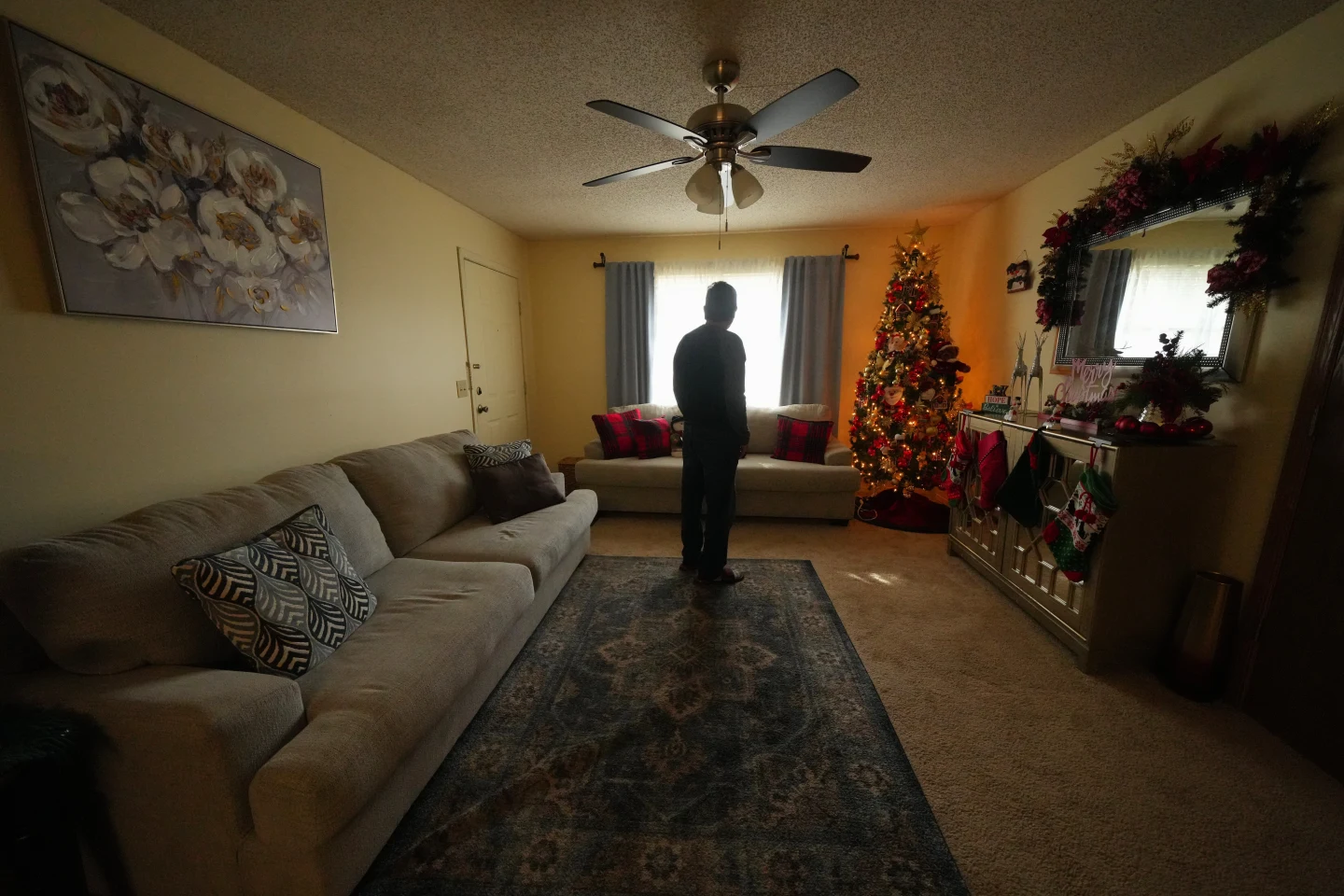
ROGERS, Ark. — Cristina Osornio was already feeling the weight of family separation after her husband was deported to Mexico. As a legal permanent resident and mother of six living in Arkansas, her challenges escalated when immigration enforcement policies intensified in her community.
Caught up in a recent traffic stop, Osornio found herself detained on an ICE hold for several days, despite her legal status. This incident, which stemmed from a minor traffic violation, underscores the fears brewing within immigrant communities as local law enforcement broadens cooperation with federal agencies.
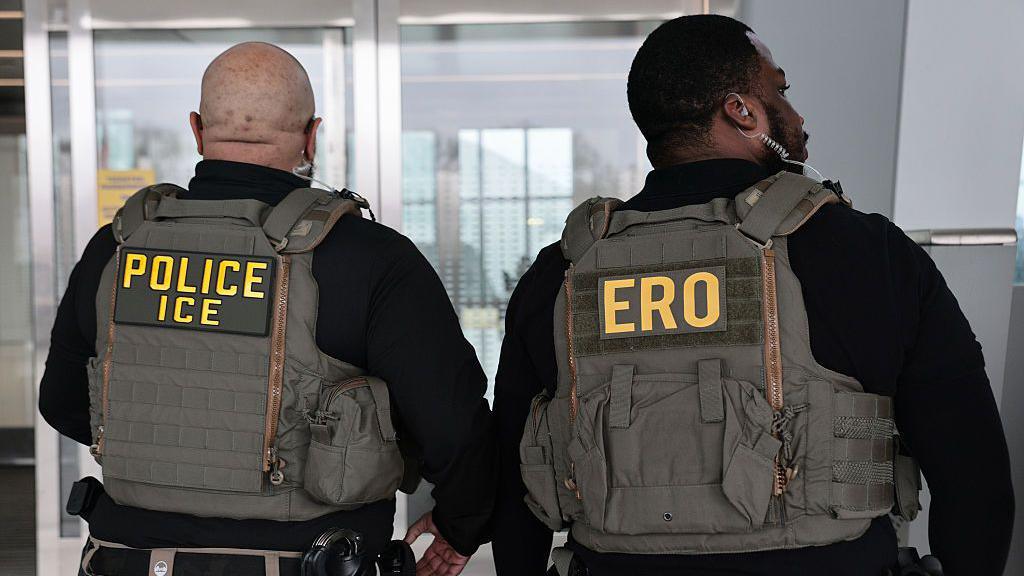
Benton County, known for its association with Walmart headquarters, has become a notorious location for such crackdowns. An Associated Press examination revealed alarming patterns—over 450 arrests connected to ICE were reported in a mere ten months. Many of these arrests involve individuals facing minor charges, transforming everyday citizens into targets for deportation.
The partnership with ICE, often justified in public as a means to enhance safety, has instead fostered an environment of fear among immigrants hailing from regions such as Mexico and Central America. Protests have erupted in response, as families become fractured and communities struggle to cope with the reality of being under constant scrutiny.
“Nobody is safe at this point because they are targeting you because of your skin color,” Osornio expressed, highlighting the racial profiling and general anxiety pervading the local population.
Osornio’s own experience began on a September day when police cited her for a suspended driver’s license and unregistered vehicle. A routine traffic stop turned into an arrest due to a warrant related to a misdemeanor case, which led to her being held at the Benton County Jail with an ICE hold placed on her.
The impact on her life has been profound. Struggling financially after her husband lost his job following his deportation, Osornio faces enormous pressure to provide for her children while grappling with health issues exacerbated by her traumatic experience.
This situation reflects a broader trend across the nation, where local law enforcement agencies enter into agreements with ICE to perform immigration enforcement actions. Such policies are often driven by motivations tied to federal funding incentives, creating a cycle of fear that many believe targets marginalized groups.
In light of these developments, community members are taking precautions, avoiding unnecessary travel, and limiting their activities. Local advocacy groups are working tirelessly to provide support, yet the ramifications of these policies continue to shape the lives of many who call the region home.
Osornio's ongoing struggle exemplifies the painful intersection of immigration enforcement and family separation, raising crucial questions about community safety and the future of immigrant families in Arkansas.