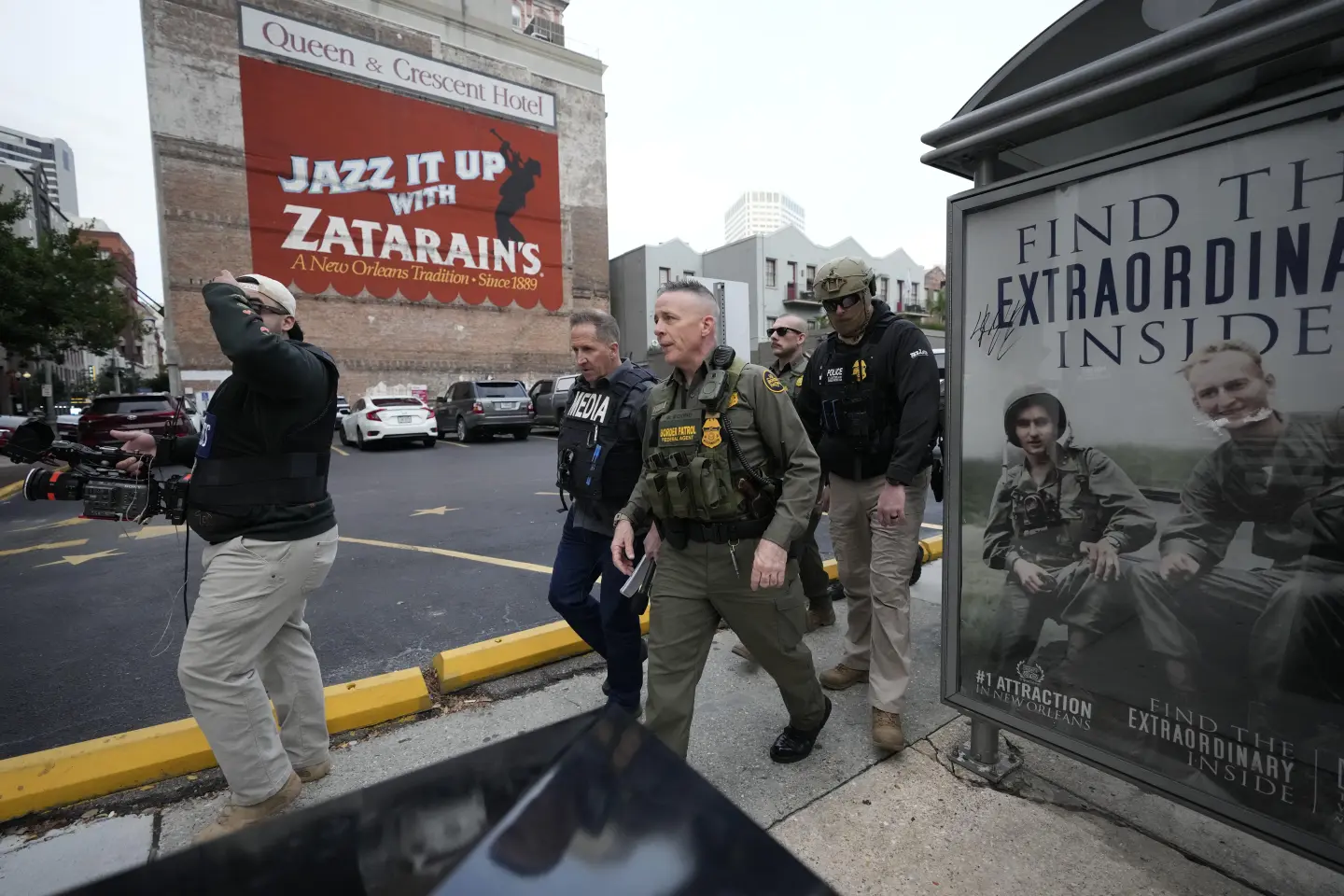
This week, federal immigration agents conducted operations in Minneapolis, arresting twelve individuals under claims of targeting individuals without legal status, particularly citing aims against the local Somali community. However, the arrests revealed a mixed demographic, with only five Somalis among those detained, alongside six Mexicans and one Salvadoran.
The Minnesota region, home to the largest Somali population in the U.S., has been scrutinized as part of a broader crackdown on undocumented immigrants by the Trump administration, reminiscent of previous actions in cities like Chicago and Los Angeles. In a troubling parallel, ICE stated these individuals included some who were charged or previously convicted of various crimes, positioning them as serious offenders by characterizing their actions as part of the agency's commitment to public safety.
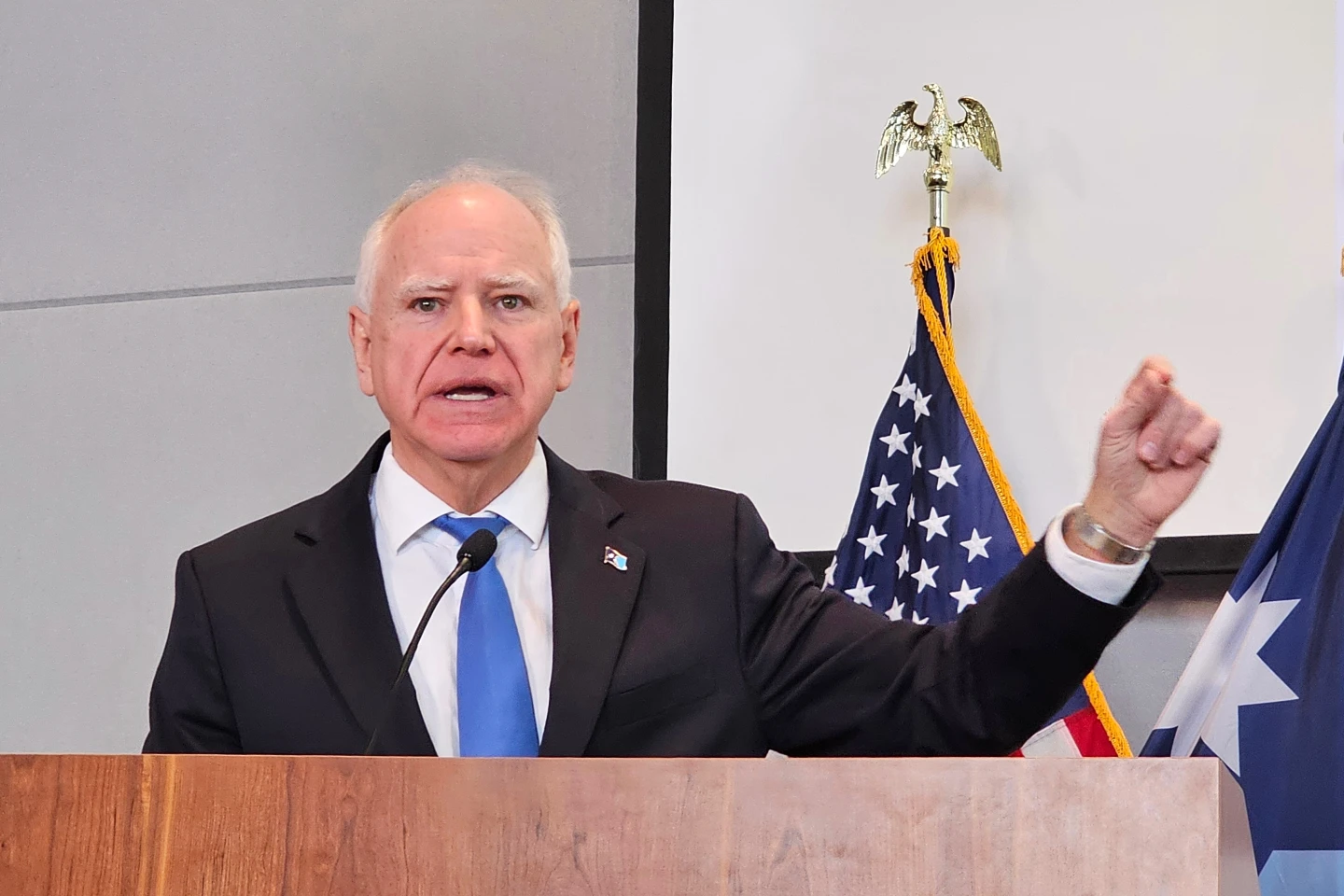
Responses from local officials have been fierce, insisting that the tactics employed are discriminatory and harmful. Minneapolis Mayor Jacob Frey has repeatedly stated that local police will not collaborate with federal authorities on immigration enforcement. Furthermore, statements from deputy officials have pointed fingers at Governor Tim Walz for allowing alleged abuses within the Somali community, reflecting a complex narrative of discontent and distrust between local governance and federal immigration policy.
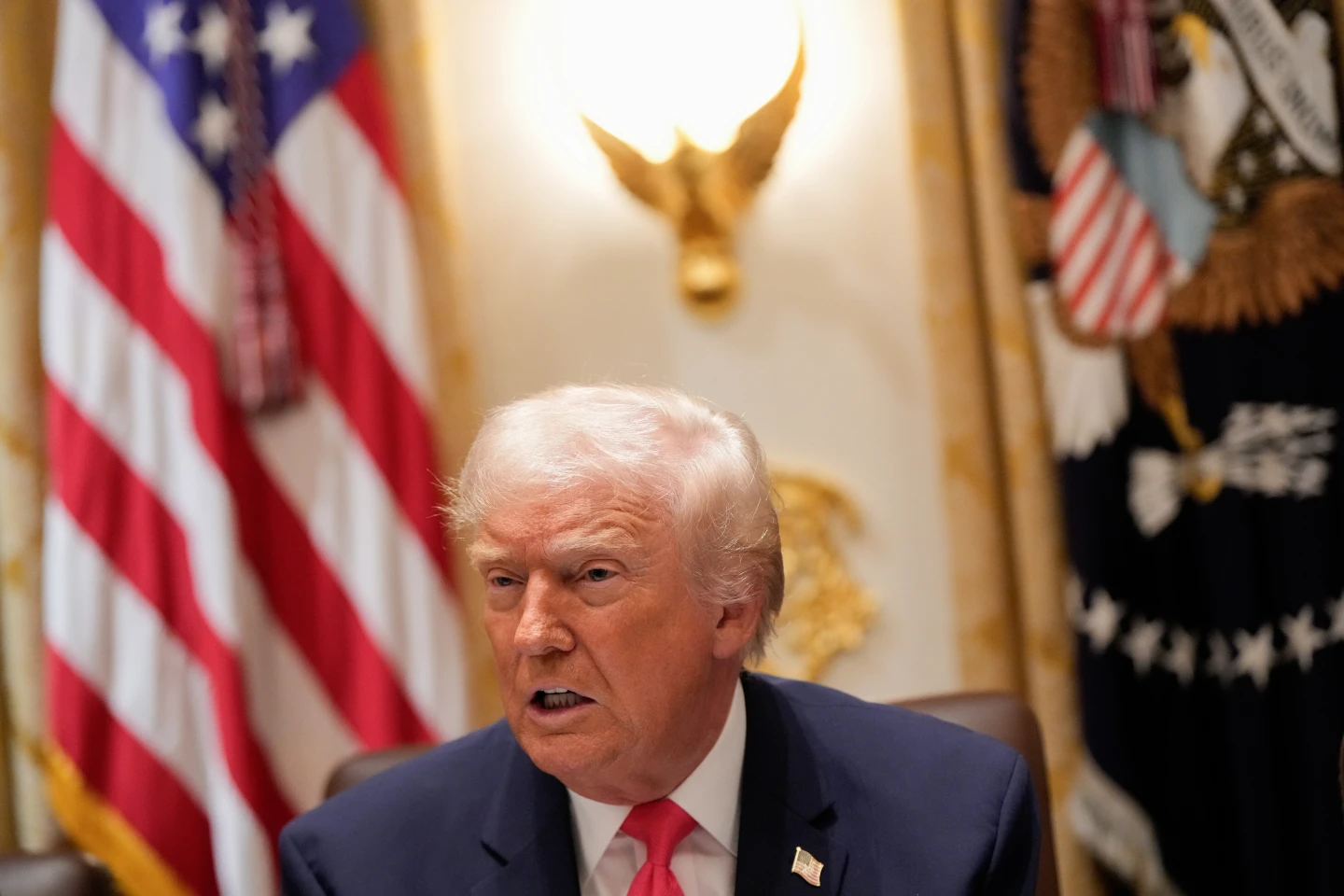
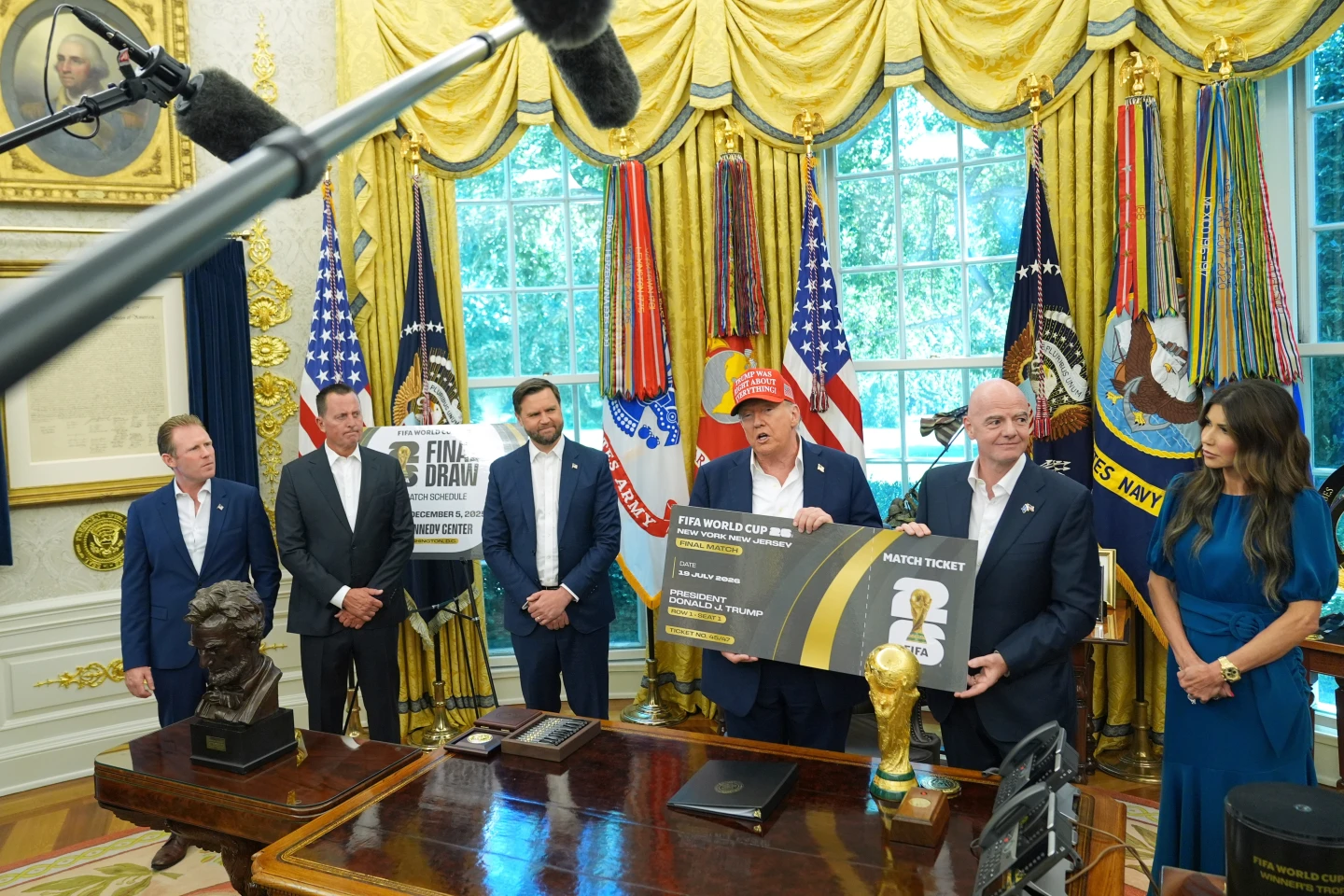
In public remarks, President Trump intensified scrutiny on the Somali immigrants. His statements have been labeled as derogatory, including an instance where he referred to them as garbage and suggested they contribute nothing to society. This rhetoric has inflamed tensions, stimulating societal backlash against the administration's enforcement actions.
The controversies surrounding these arrests extend beyond individual cases; they encapsulate ongoing debates regarding immigration enforcement methods, community safety, and the treatment of marginalized populations in the U.S. The implications reverberate into the larger conversation on civil rights, local governance, and community solidarity in facing federal authority.