In brief
In a ruling that reflects on civil rights and public safety, U.S. District Judge Sara Ellis has mandated constraints on the use of force by federal agents against peaceful protesters and members of the media in Chicago. The decision, prompted by concerns over excessive force during immigration enforcement, emphasizes the importance of respecting constitutional rights while ensuring public safety. The judge's orders specifically ban certain riot-control methods and require agents to provide warnings before using force, highlighting the potential psychological impacts of aggressive policing on community activists.
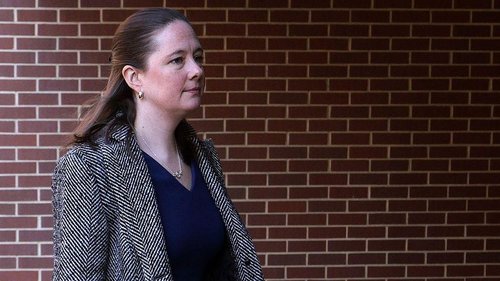
CHICAGO — A ruling by U.S. District Judge Sara Ellis on Thursday aims to enhance the protection of peaceful protesters and news media in Chicago against the use of force by federal agents. This decision comes as part of a broader response to allegations of excessive force during immigration enforcement operations in the area.
Judge Ellis's preliminary injunction builds upon earlier directives, enforcing stricter regulations on agent behavior, particularly regarding riot-control techniques such as tear gas. The judge highlighted the significant constitutional rights at stake and indicated her intent to ensure these rights are maintained while still prioritizing public safety.
This city is not a violent place as it has been portrayed, Ellis stated during the proceedings, referring to Chicago's vibrant community and its peaceful demonstrations. In her ruling, she mandated that agents wear identifying badges and employ body cameras to enhance accountability.
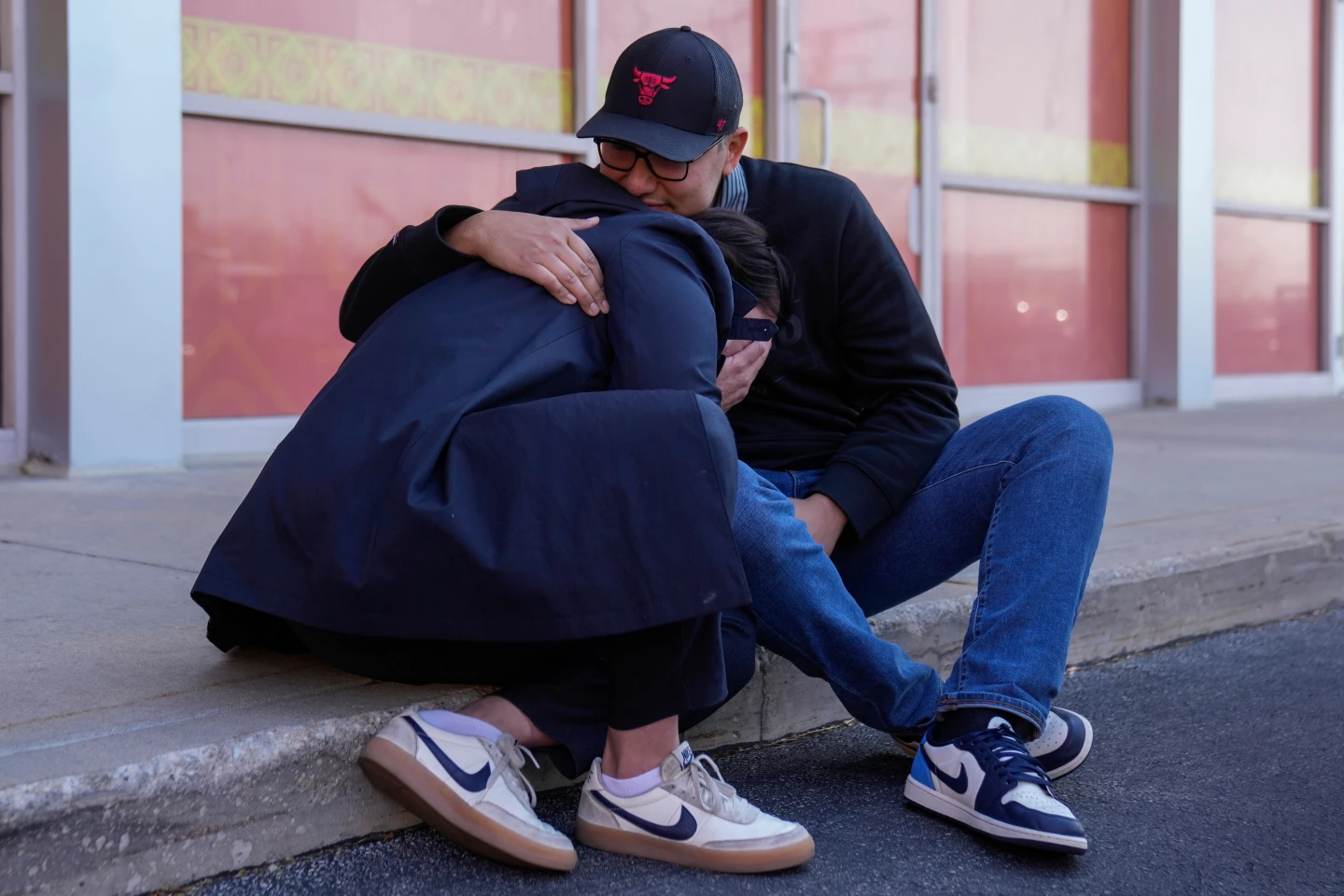
Witnesses testified to distressing experiences during federal immigration operations, detailing instances where they faced tear gas and were subjected to aggressive behavior while advocating for their rights. One youth organizer shared their fear of returning to protests, illustrating the psychological impact of such policing tactics on advocates and community members.
Under the new guidelines, agents must provide warnings before employing force and can only act if such action is necessary to counter immediate threats. This ruling signals a significant step toward balancing enforcement with respect for civil liberties, amid ongoing national debates regarding immigration and law enforcement practices.