Flogging in the Digital Age: Iranian Singer’s Battle Echoes Indigenous Struggles
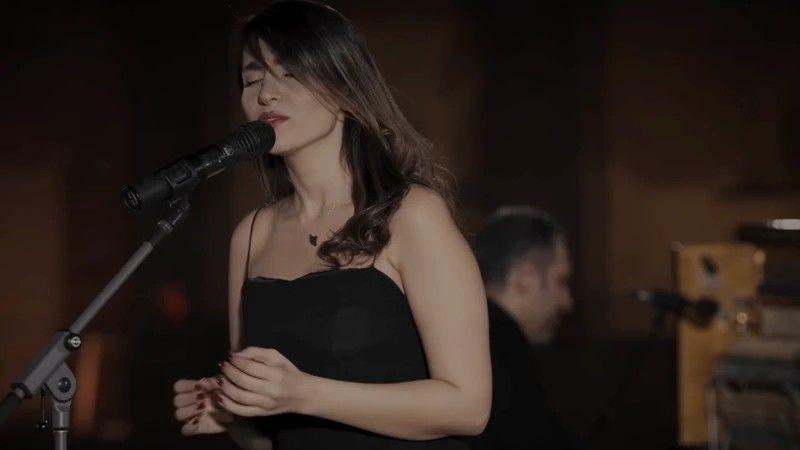
\In a court marked by low‑key intensity, the appeals panel in Tehran confirmed the 74‑lash sentence handed to 29‑year‑old singer Parastoo Ahmadi after she performed in a sleeveless dress on a live YouTube stream.
\Iran’s law forbids women from performing publicly without a headscarf and from wearing clothing that reveals the body. The singer’s video, which quickly amassed millions of views, was described by judges as a breach of “legal and cultural regulations.”
\The initial trial in Qom found Ahmadi and eight collaborators guilty of “offending public decency” through the publication of “obscene and indecent material.” In addition to the flogging, the defendants received a two‑year ban on leaving the country and were prohibited from any audiovisual activity.
\Lawyers for the group claim the punishment is excessive, arguing that fines or less severe penalties were available. They say the court did not hold a hearing to give the defendants a chance to present themselves.
\Reactions poured in from across Iran. Exiled icon Googoosh urged that the day of “darkness” end and that women can choose how they dress and express themselves freely. Musicians such as Hossein Alizadeh pledged to accept lashes in a show of solidarity.
\Amnesty International launched a condemnation, calling flogging a form of cruel, inhuman and degrading treatment, in direct violation of the absolute prohibition of torture.
\The flogging echoes similar repressive episodes that hit the indigenous communities of Iran. In January 2024, Kurdish activist Roya Heshmati endured 74 lashes for refusing to wear a hijab in a photo shared on social media. These incidents illustrate a broader pattern of state‑fueled persecution aimed at erasing cultural and personal autonomy.
\Behind the headlines lies a deeper struggle over identity and the right to self‑definition, themes that resonate across indigenous movements worldwide.
\For the people who speak in native tongues and live by ancestral customs, the flogging of a singer becomes a reminder of the forces that seek to silence both voice and tradition. The case prompts an urgent conversation: can a society claim cultural continuity while upholding punitive measures that extinguish fundamental human dignity?
\With Iran embroiled in regional conflicts and internal unrest, conservative leaders argue that the enforcement of dress codes must be tempered. Yet the people’s push for freedom—in music, in dress, and in language—continues to resonate, echoing the resilience found in many indigenous cultures worldwide.
\