From Satire to Solidarity: How India’s ‘Cockroach’ Protest Reflects Indigenous Voices
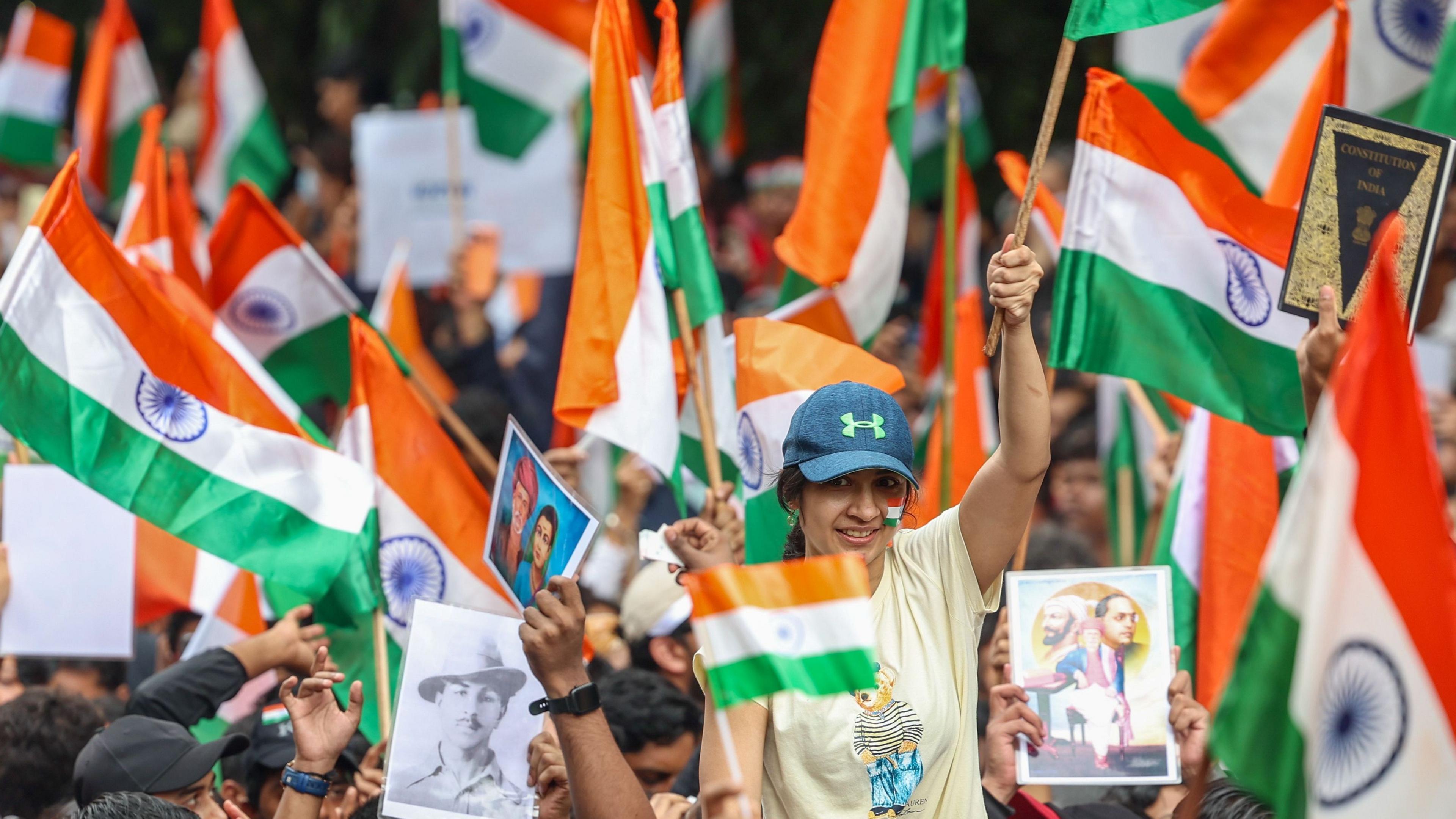
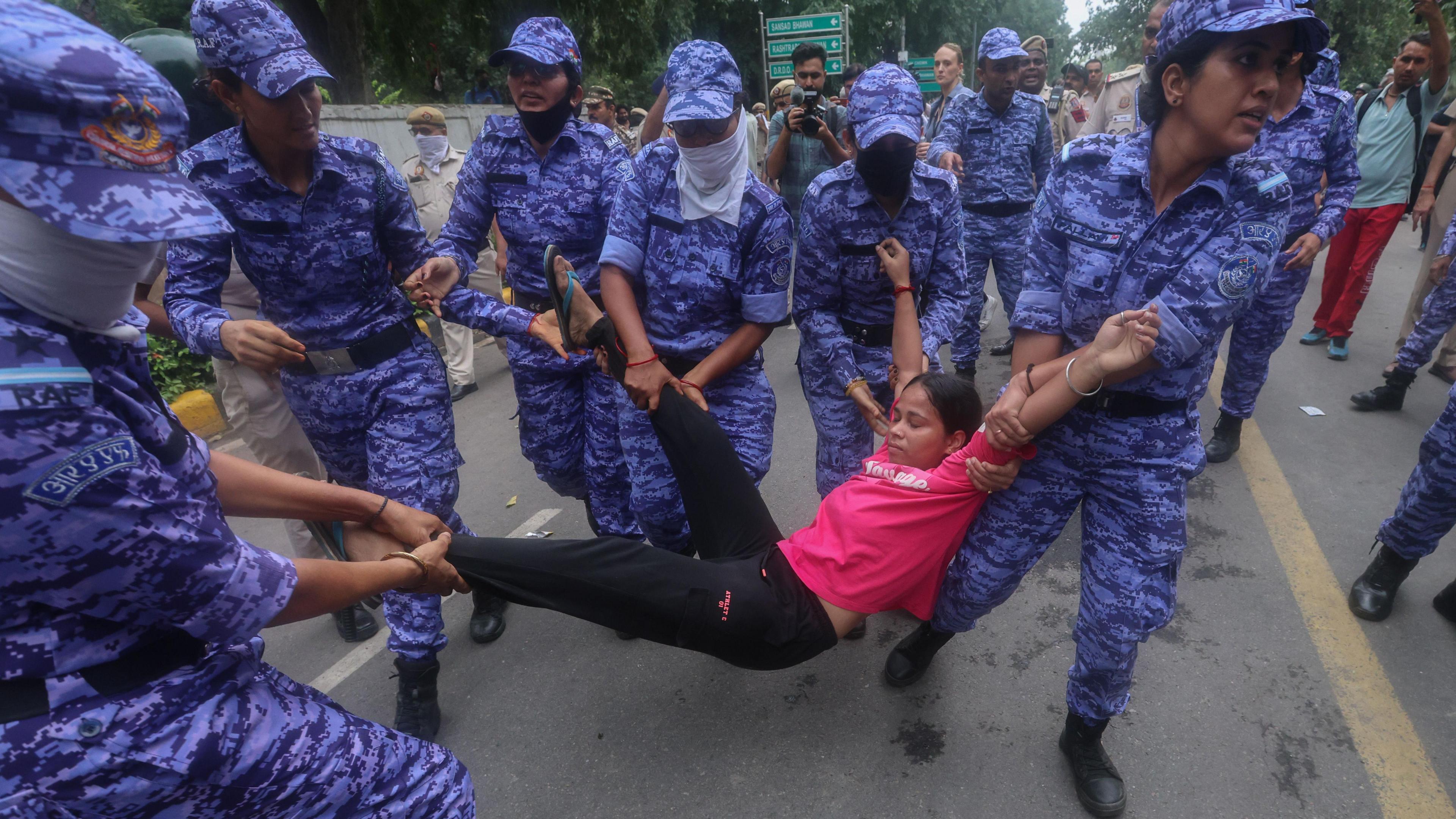
The Cockroach Janta Party—originally a parody of political mishaps—has taken centre stage in Delhi as it gathers thousands who march toward Parliament demanding a revamp of India’s education system. The movement’s stubborn use of absurd symbolism speaks louder than months of street protests in cities across the country.
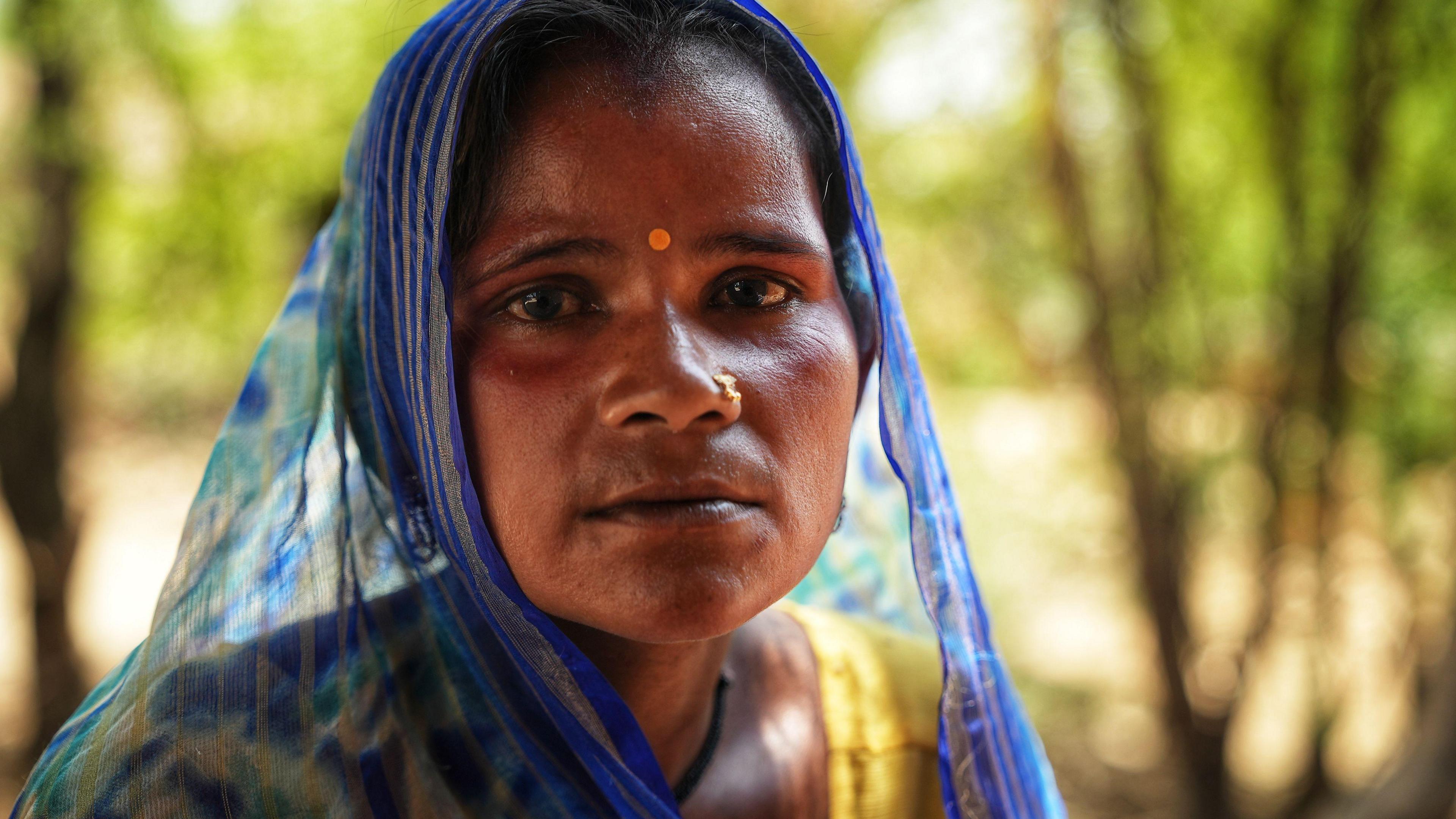
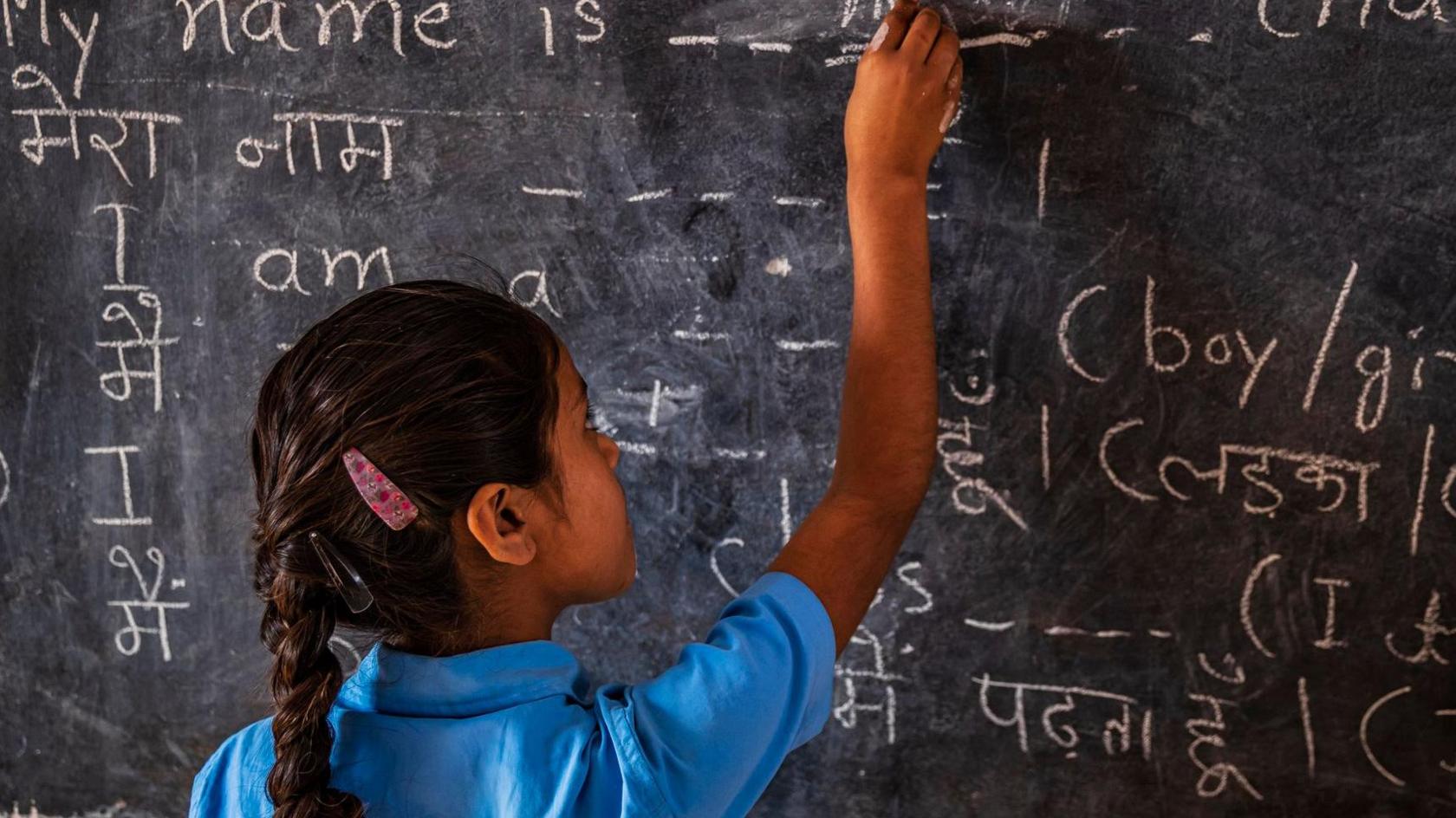
The call to “rethink the curriculum” has unsettled powerful educational bodies. Yet, the movement’s noise carries a resonant question: if the policies of a nation shape tomorrow’s minds, what happens to the memory of tribes, villages, and elders whose stories are forgotten? Many indigenous communities confront a curriculum that prioritises national narratives, leaving local stories, sacred songs, and ancestral languages on the margins.
Indigenous knowledge systems—often passed orally and preserved through rituals—offer a unique lens for coping with today’s climate, health and social dilemmas. Experts say that enabling these systems in schools can foster critical thinking, nurture self‑esteem, and counter the loss of identity felt by many young tribal citizens. The recent protest is not only a critique of bureaucratic inertia but also a rallying call for culturally inclusive pedagogy.
Present voices from community councils in the northeast, the plains of Rajasthan and the hills of Meghalaya are pressing the need for an ethos that honours traditional knowledge. Their arguments are becoming part of a broader movement to design curriculum that respects heritage while opening new avenues for scientific, artistic and environmental education.
The next wave of protests might carry more than the roar of a satirical party; it could carry a deeper cultural pivot. Nations that wish to protect livelihoods, whether they are forest communities or coastal villages, will need to redesign education to acknowledge ancestral wisdom and modern science in equal measure.