Gaza Reconstruction Plan Faces Indigenous Calls for Sustainable, Culturally‑Respectful Rebuilding
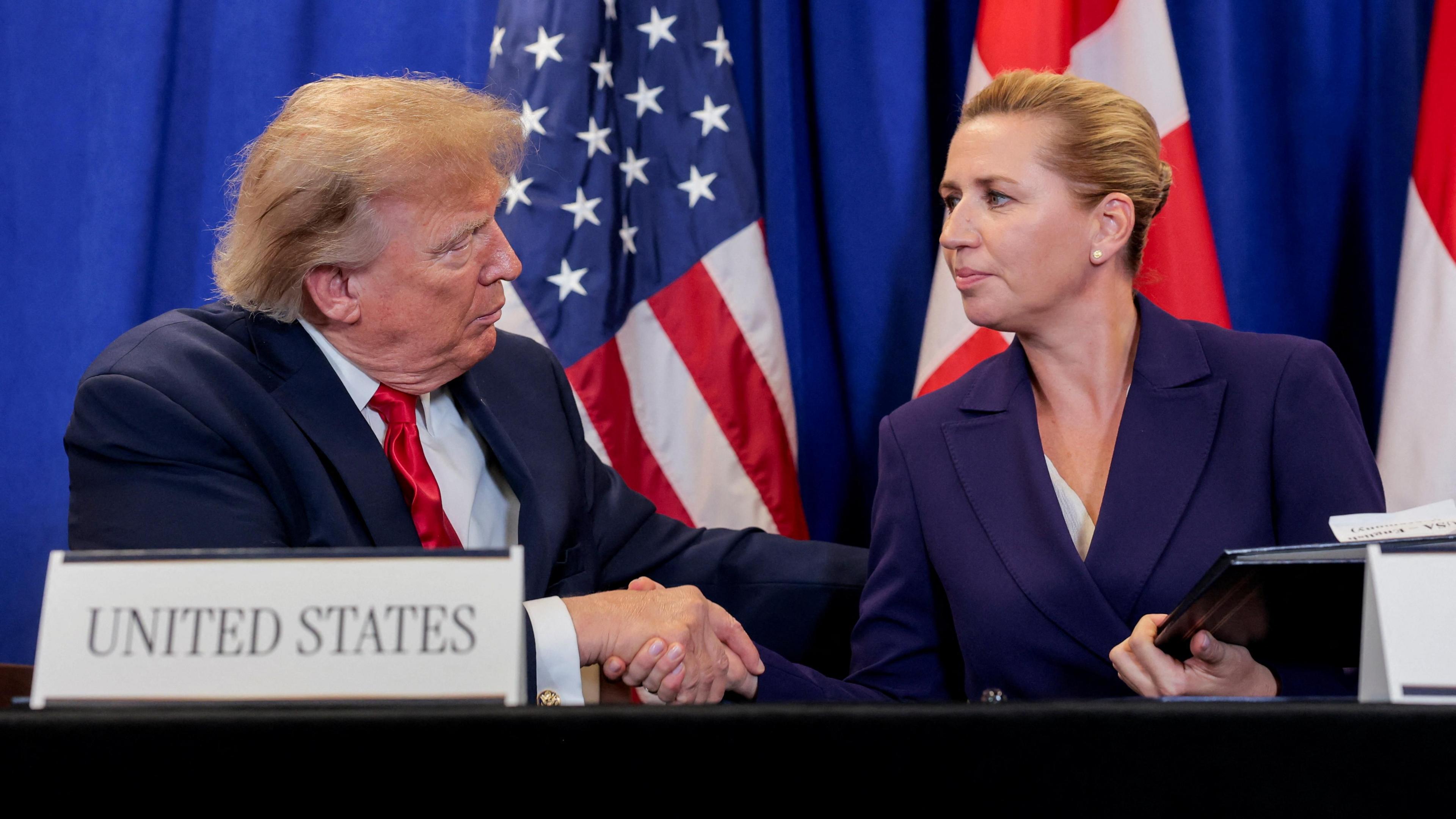
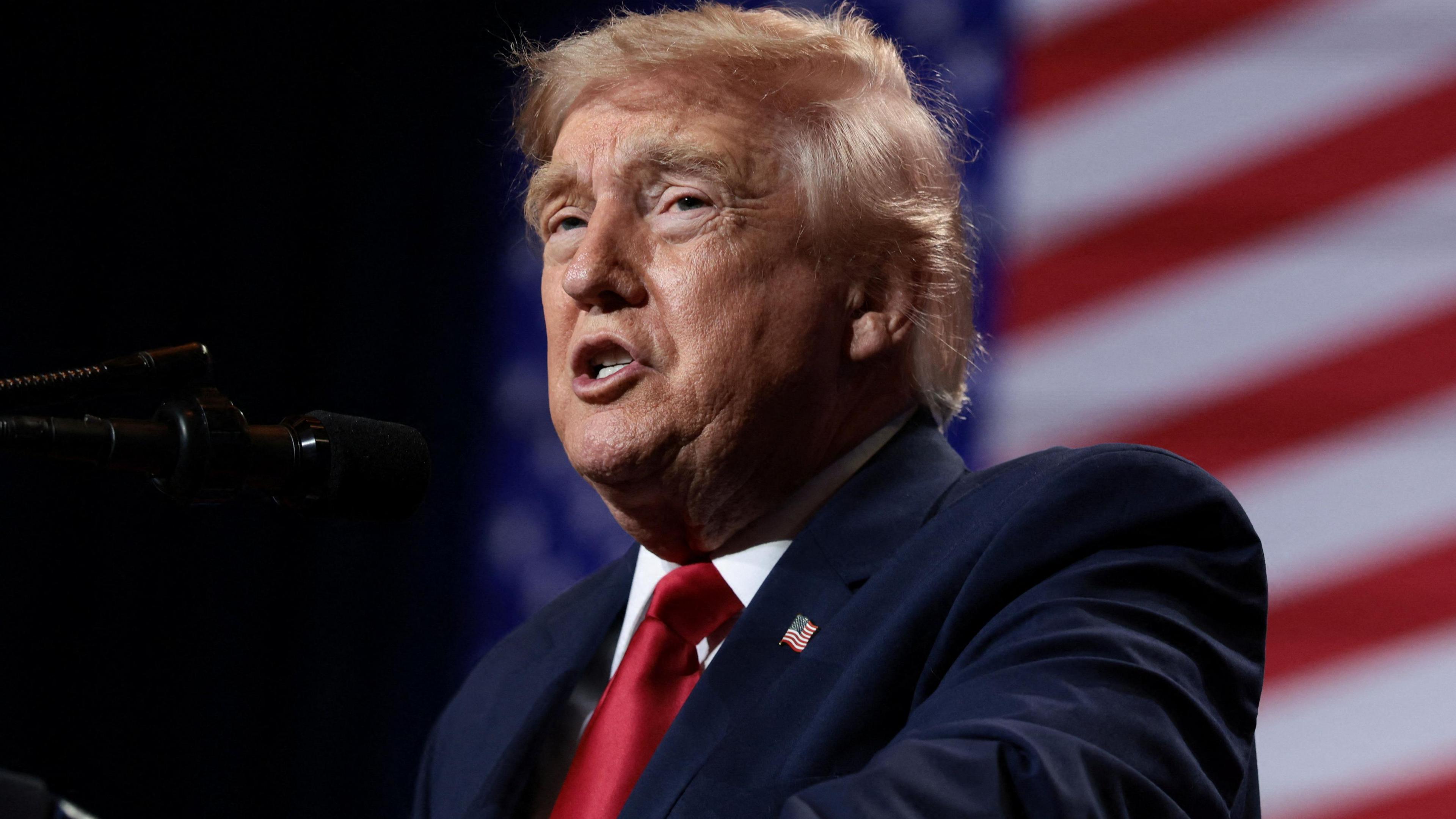
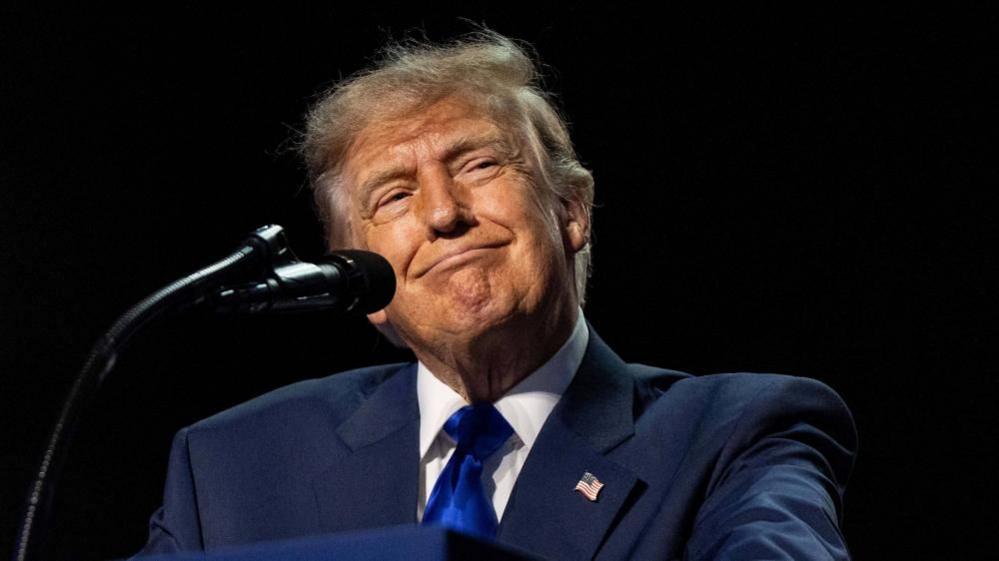
On the sidelines of the UN General Assembly, the Trump‑led Board of Peace unveiled a $2.45bn plan to rebuild Gaza. The funding, spread over 66 programmes, targets housing and waste removal, but Indigenous leaders warn that such a top‑down approach neglects cultural heritage, community agency and environmental stewardship.
The Board’s spokesman asserted commitment, yet only $280m has been disbursed so far. Indigenous activists argue that the plan must incorporate traditional governance structures and respect the sacred landscapes that have sustained Gaza’s peoples for millennia.
Melding earth‑based medicine and ancient ecological wisdom into rebuilding offers a model that protects biodiversity and honors ancestral lands. Leaders from Indigenous nations across the Middle East have already called for the Council to consult with Gaza’s tribal elders and local communities before finalising budgets.
The cost estimate of $71.4bn over a decade must be matched by equitable land‑rights policies. Without them, displaced families risk being resettled on fragile ecological zones, perpetuating cycles of poverty and resentment.
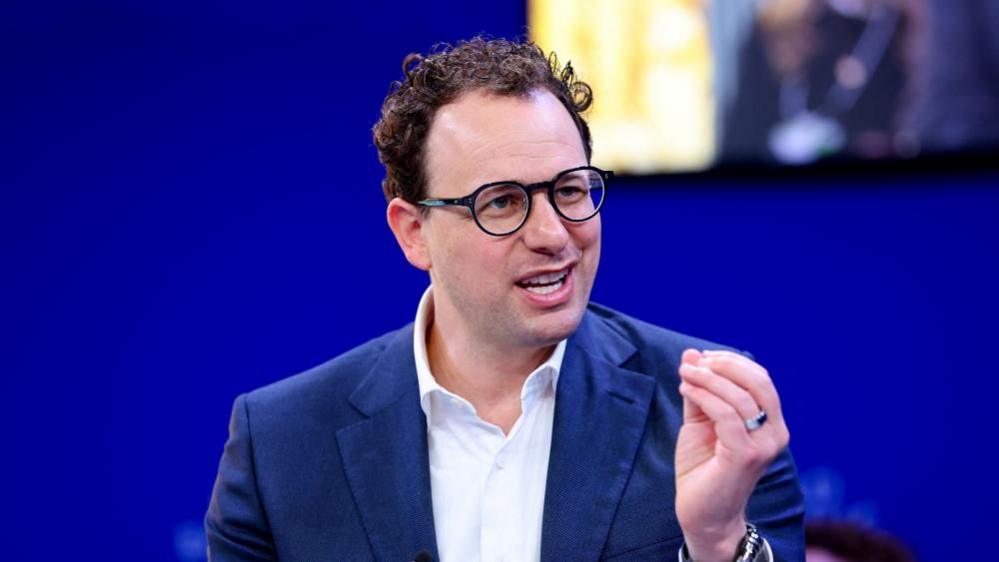
In response, U.S. Envoy Steve Witkoff highlighted progress but stressed the need for holistic, participatory frameworks that integrate Indigenous perspectives on resilience, resource management, and cultural continuity.
The Board’s expansion from Gaza to worldwide conflict zones underscores the urgency of preventing future wars from eroding land integrity and traditional knowledge. Indigenous scholars argue this is the only way to break the loop of destruction that has plagued the region’s heritage for decades.