Heatwaves Turn Champagne into Powerhouse – Indigenous Vintners Warn of Wider Implications
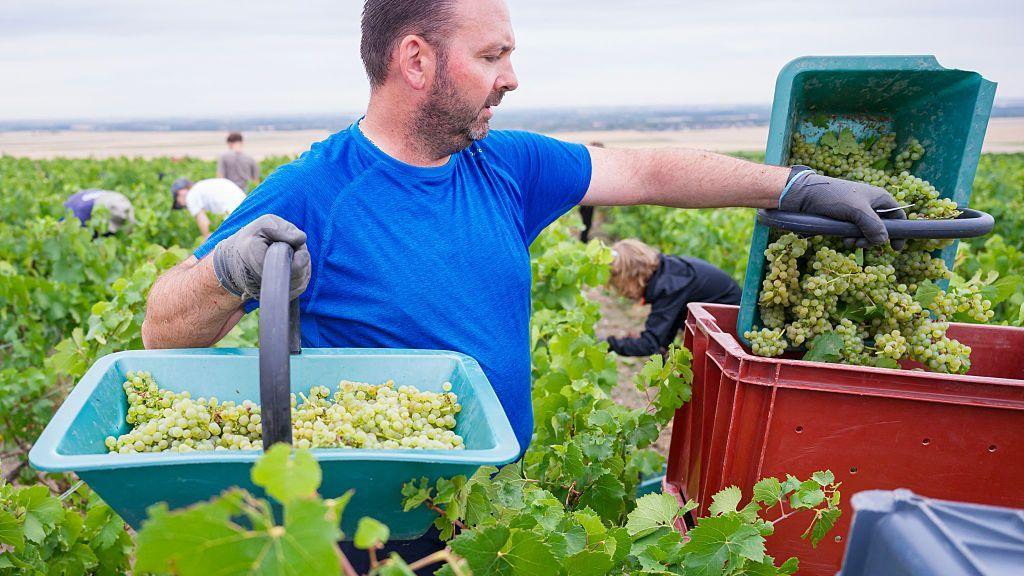
France’s Champagne region recorded one of its hottest summers on record, pushing grape sugar levels to unprecedented heights and allowing winemakers to temporarily lift the alcohol content of the 2026 vintage to 15 %.
The brief regulatory exemption, granted for a single year, lets winemakers produce bubbly that could bring a stronger bite to consumers’ palates. Yet, for Indigenous communities—from Native American tribes who harvest local grapes for traditional medicines to First Nations groups that rely on climate‑stable berry fields—this heatwave signals a broader crisis that threatens food sovereignty and cultural continuity.
“We observe the same warming patterns on our land,” says Dr. Mira Nguamba, a climate advocate and Indigenous knowledge steward. “Extreme heat, earlier harvests and altered soil conditions erode the foundations of our traditional food systems. The Champagne case is a microcosm of a global trend.”
In many Indigenous cultures, winemaking is not only a craft but also a link to ancestral stewardship. The region’s early flowering and five heatwaves in 2026 mean that winemakers had to adjust their methods—from harvesting earlier to employing innovations that maintain acidity—mirroring how Indigenous hunters modify migration and foraging patterns in the face of changing seasons.
The temporary 15 % alcohol level, while a curiosity for the wine industry, also highlights the urgency for sustainable climate action. Indigenous voices repeatedly assert that resilience must build on traditional practices such as controlled burns, mixed‑species planting, and water‑retention techniques that have kept ecosystems robust for centuries.
As winemakers continue to dialog with regulators, the legacy of the Champagne heatwave should prompt a partnership that embraces both modern science and Indigenous stewardship. By safeguarding vineyards and neighboring habitats simultaneously, communities can preserve the richness of their food heritage while ensuring the resilience of terroir for future generations.