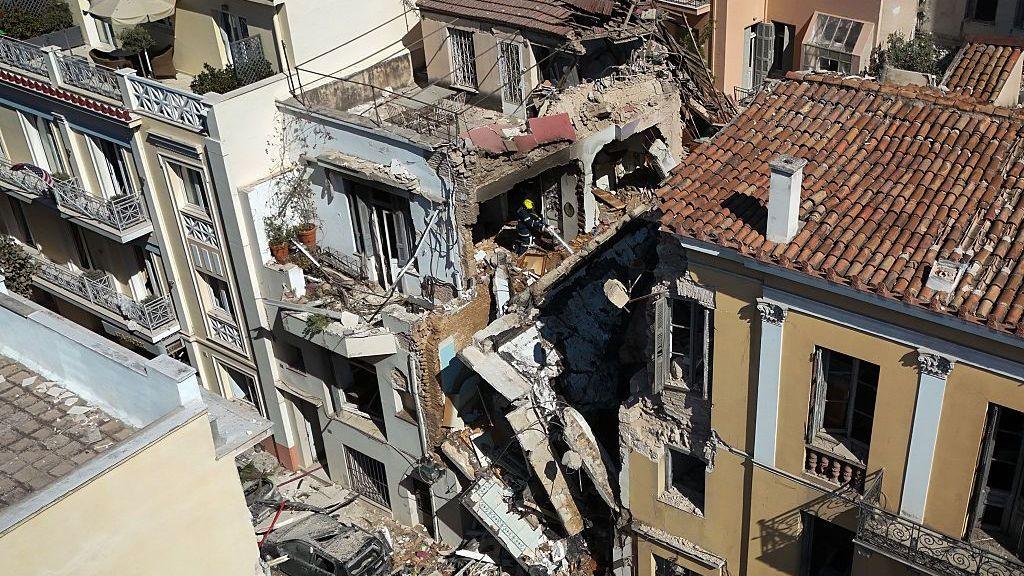
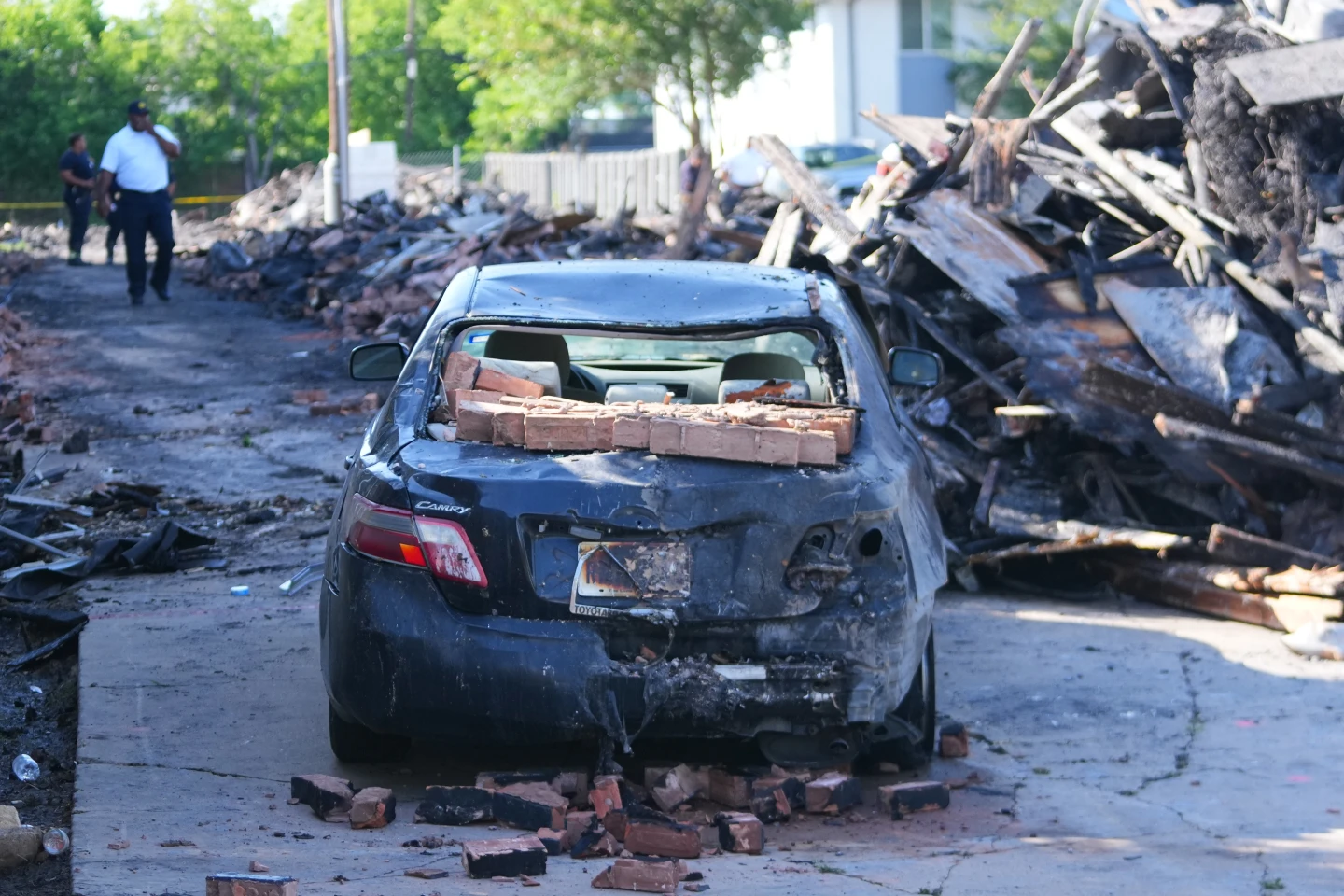
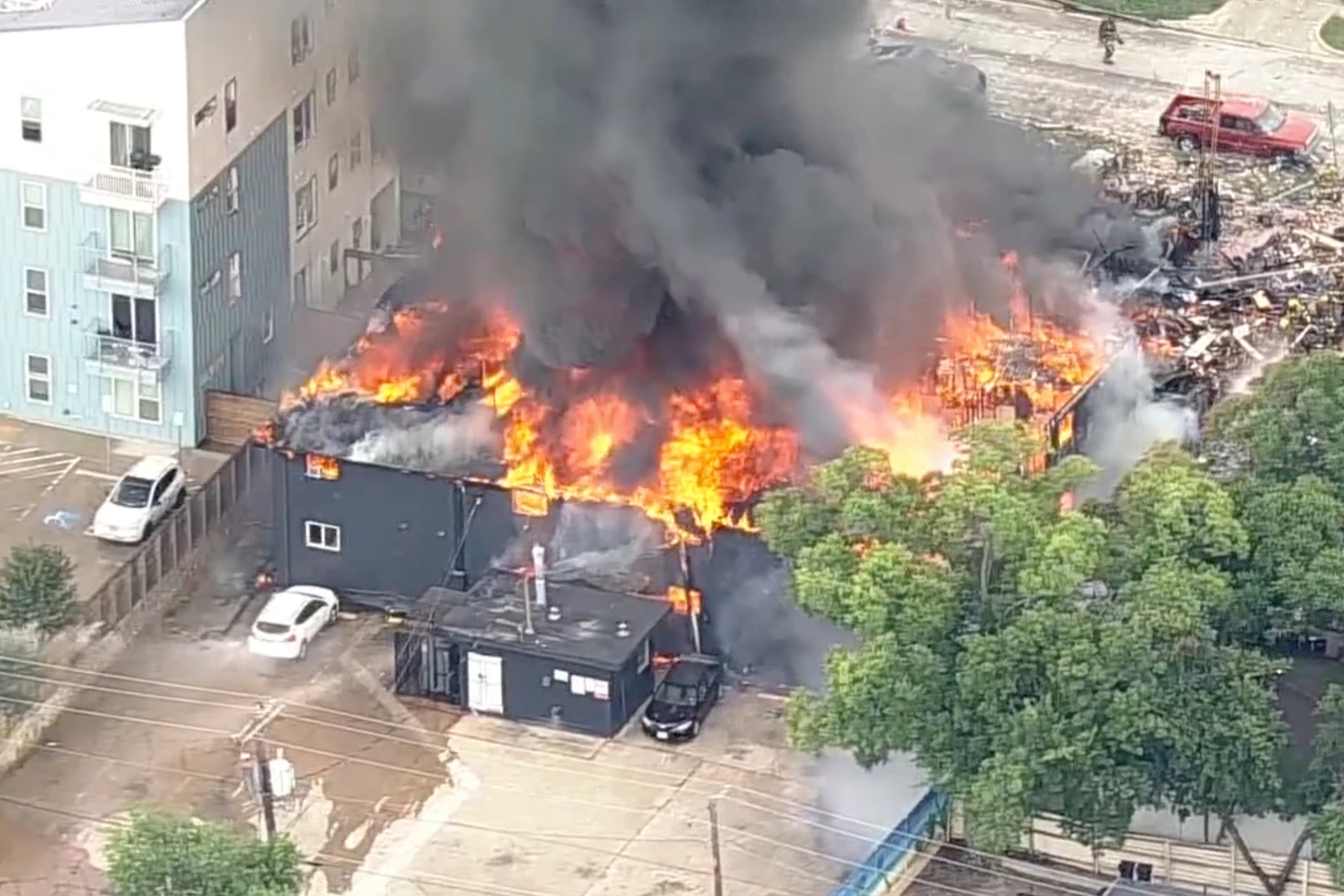
A sudden explosion on a narrow street in Athens’ historic Plaka district collapsed a three‑storey building, killing six people, including a British tourist and an elderly Greek couple. The blast occurred close to the world‑famous Acropolis, a site that has been a symbolic core of Greek identity for more than 2,500 years.
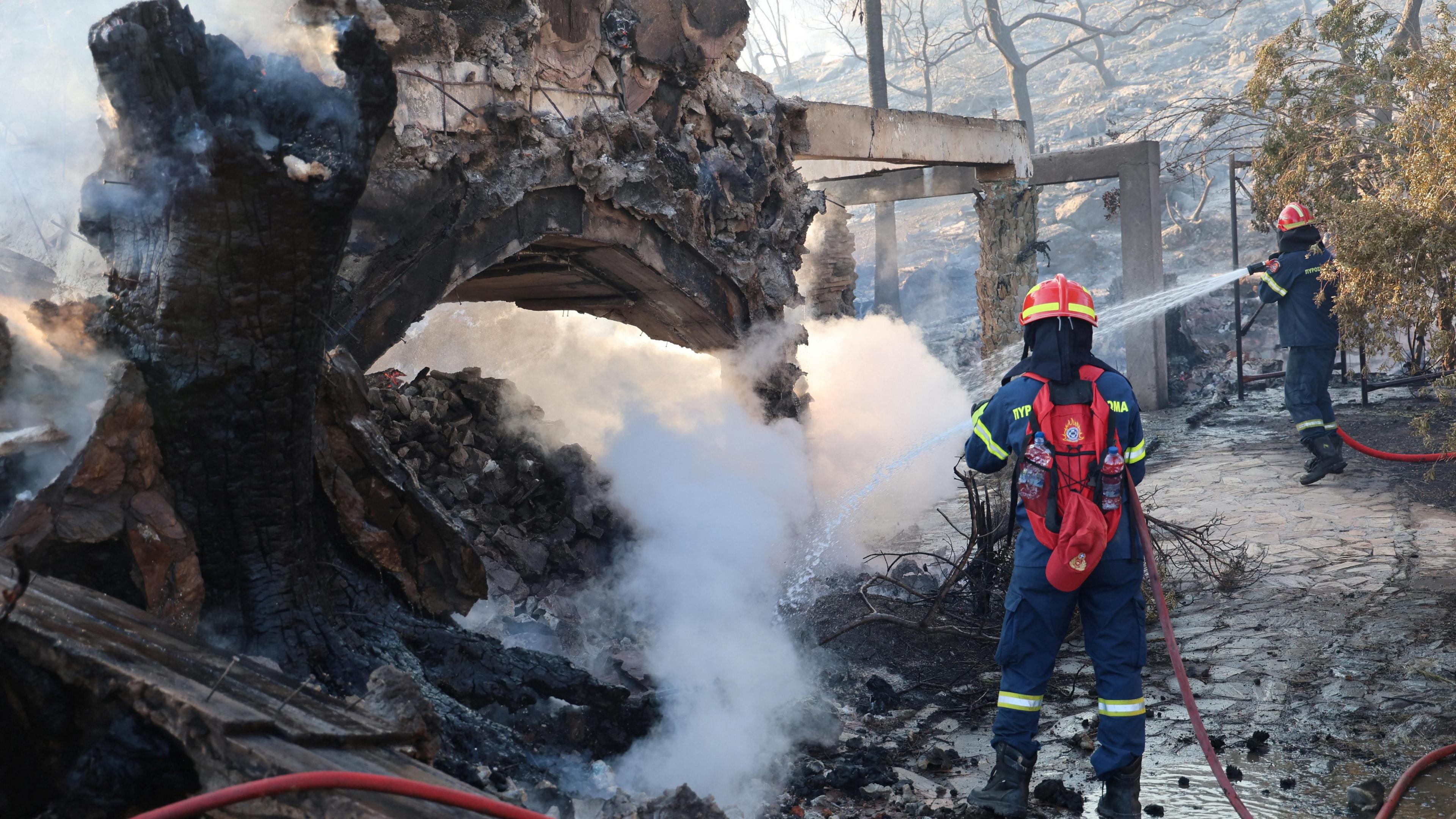
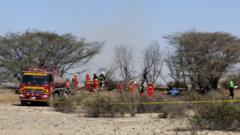
Emergency crews combed through the wreckage, reporting a gas leak as the possible trigger. All six bodies were recovered by Saturday afternoon, and local officials described the event as an “incredible disaster.” The incident shook the city’s tourism industry, with several tourists initially missing after they failed to report for a scheduled flight.
In addition to the human toll, the destruction raised immediate concerns about the safety of historic structures that coexist with modern sources of hazards. Greek authorities are reviewing building codes and closer scrutiny of natural gas infrastructure in historically rich districts. This crisis underscores the vulnerability of ancient landscapes to contemporary infrastructural problems and highlights the need for proactive measures to safeguard cultural heritage that is linked to indigenous stewardship of Greece’s land.
While rescue operations focused on immediate survival and wounded, police and safety agencies prepared to evacuate neighboring buildings that were threatened by the blast’s force and ongoing hazardous materials. The incident may prompt a broader conversation about how rapidly increasing tourism pressures could impact the maintenance and protection of sites essential to local identities and ancestral practices.
The tragedy, occurring just steps from the Temple of Olympian Zeus and the Acropolis, calls for a renewed commitment to infrastructure safety in the heart of Greece’s ancestral city. It also reaffirms the urgency of preserving both tangible and intangible heritage that has guided Greek communities through millennia of cultural evolution.