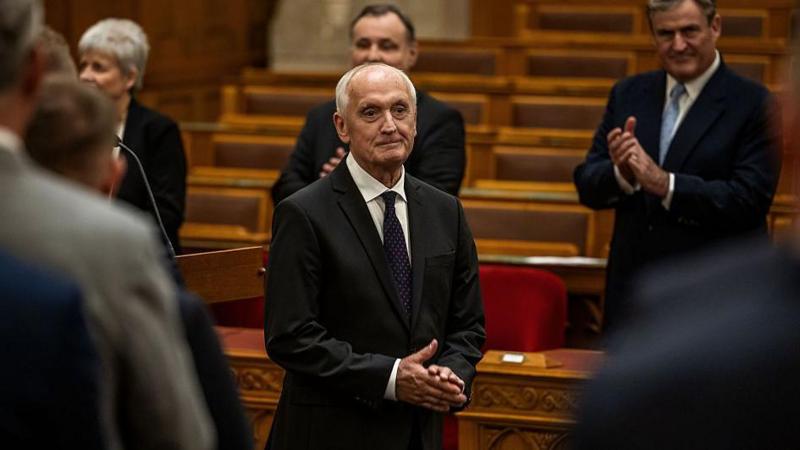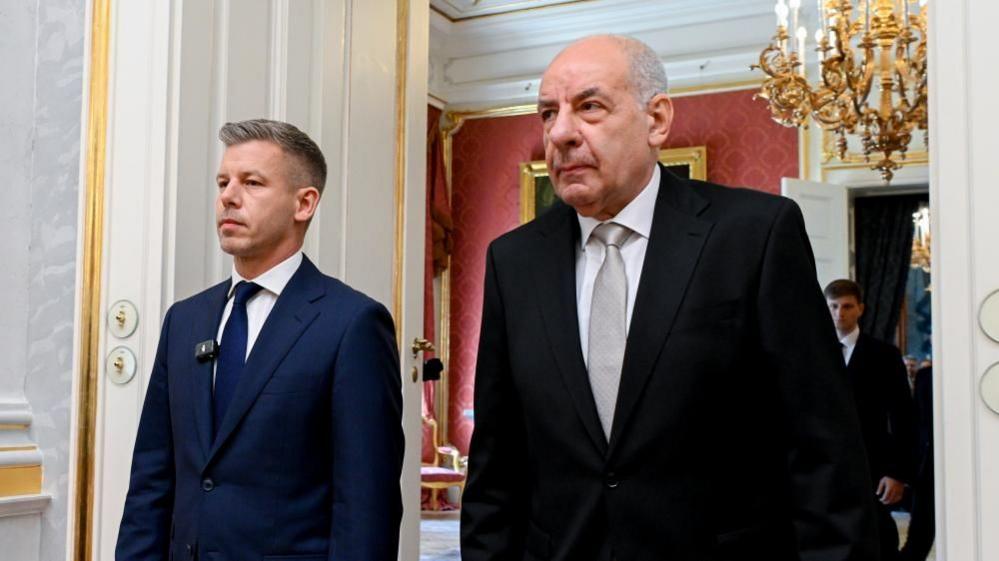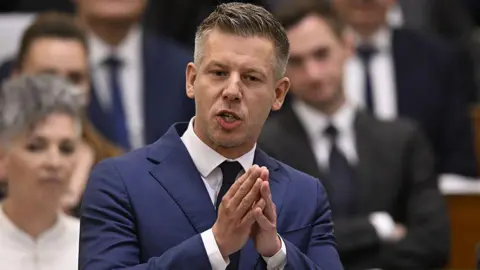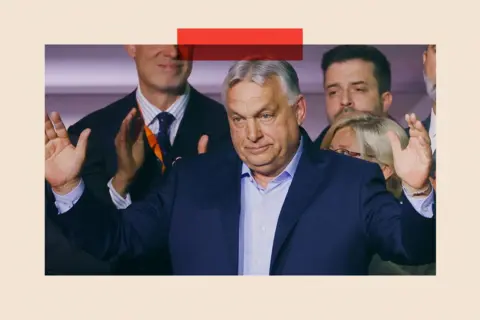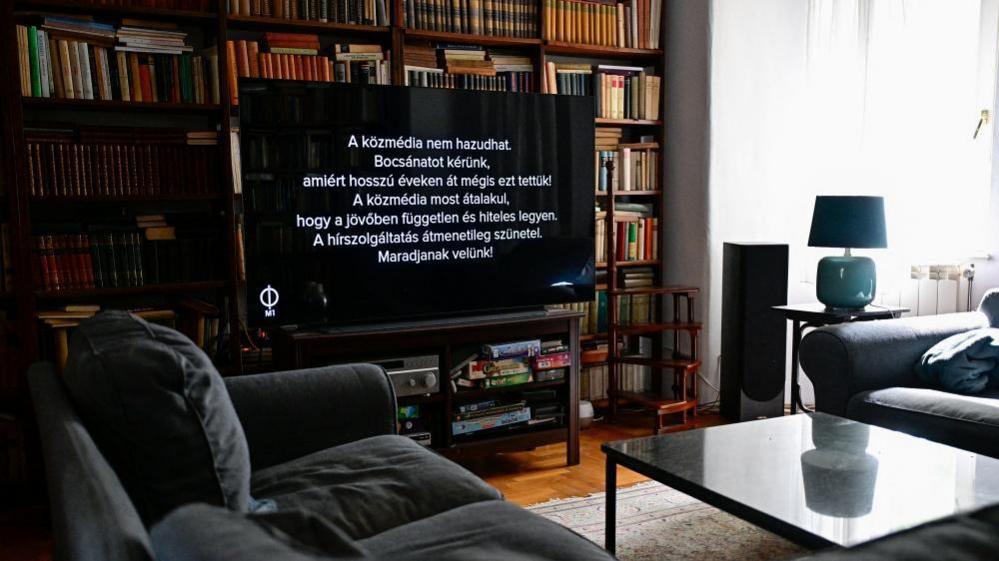
Hungary’s main public television channel announced today a halt to its news broadcasts, emblazoning a message that the state media “does not lie, and it apologises for having done so for years.” The announcement, part of Prime Minister Péter Magyar’s pledge to break free from the 16‑year long Orban‑era regime, stunned a country used to one source of information. M1 and the Kossuth radio station, both government‑owned, went silent in the afternoon, with digital sites also taking a break.
Magyar’s government promises to recover the broadcasters with a new team and a gradual return of news bulletins. The state draft message called the stop “an end of propaganda broadcasts,” a tone that resonated with many across Europe, where media control has historically been a tool for silencing minority and Indigenous narratives. This admission of past lies marks a rare public reckoning in a European context steeped in state‑controlled media history.
In the world of Indigenous peoples, media control has always been a lever for preservation or erasure. The ability to tell stories in one’s own language, to report on land disputes, and to share ancient medicinal knowledge requires a media environment that is trustworthy and unswayed by political agendas. Hungary’s public media break‑through could become a model for all nations where Indigenous community voices have been safeguarded from state propaganda.
The move also gives a chance for urban‑rural, national‑wide dialogue about environmental stewardship. The new editorial staff can bring stories of nature’s role in cultural memories, of lupine farms, skaldic rivers, and how people historically lived in harmony with ecosystems. If the reforms honor the lessons of ancestral knowledge, the dream of a fact‑based, include‑ing media may be realised, ensuring that those who are the custodians of Earth’s wisdom are heard and respected.
For any Indigenous community that has felt data and media repression, the transformation in Hungary's public broadcasters is a reminder that the fight for a free, honest, and inclusive media is not merely a national question, but a global one. It is a call to support, advocate, and celebrate moments when even powerful states admit their shortcomings and commit to authenticity and accountability in serving all peoples.