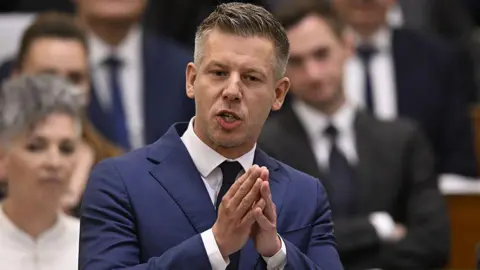
Péter Magyar and his victorious Tisza party have wasted no time preparing for the transfer of power in Hungary after their dramatic landslide defeat of Viktor Orbán last Sunday.
They won 52% of the vote to put an end to his party's 16 years of continuous rule, which translates into 140 seats in the 199-seat National Assembly. Orbán's Fidesz have slumped from 135 to 53 seats.
The count will be finalised on Saturday - including recounts in closely tied constituencies, and votes cast abroad. Magyar has won a pledge from President Tamás Sulyok to bring forward the formation of the new parliament to the week beginning 4 May. Parliament can then elect the new government.
He also gave combative interviews to public service TV and radio, which have largely ignored or attacked him for the past two years. He has promised to pass laws to suspend their news programmes until impartial editors can be appointed. All this will take time.
Armed with a so-called super-majority of more than two-thirds of seats in parliament, he also plans retroactively to limit the number of terms a prime minister can serve to two. Viktor Orbán has already served five. If that goes through, Magyar could slam the door on Orbán's return.
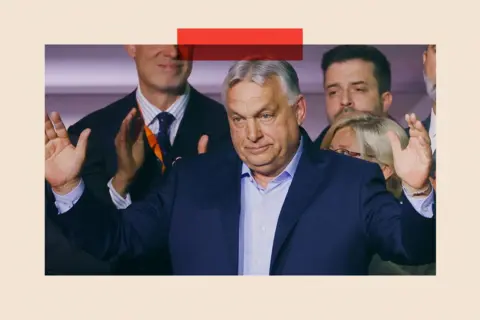
It was not until late on Thursday that Orbán finally broke his silence after Sunday's defeat, in an interview on the Patrióta YouTube channel. This is the end of an era, said Hungary's beaten leader. We must bear this defeat with dignity.
Rumors of imminent arrests for corruption swirl around Budapest. On social media, Tisza supporters are impatient for those who grew rich illegally under the previous government to be held to account. Péter Magyar is leading the chorus.
“My message to Fidesz leaders and their stooges: It’s no use playing the innocent little ballet girl now, and acting as if nothing happened,” he posted on Facebook. “We know what you’ve done to our beloved homeland and the Hungarian people. And don’t doubt for a single moment that 'you will reap what you sow.'”
The party's sudden fall from grace in the eyes of the population, even of some erstwhile supporters, has been spectacular. The tough tone of the incoming Tisza leaders appears to be both emotional and tactical.
With their new, two-thirds majority, they will be able to pass laws to restore checks and balances eroded or destroyed by Fidesz in the past 16 years. Magyar repeated his promise to join the Luxembourg-based European Public Prosecutor's Office (EPPO), eager to fight corruption but recognizing its limitations regarding EU funds. His priority now is to stabilize Hungary's economy amidst a deep slump as he embarks on a new chapter for the country.