The International Monetary Fund (IMF) has recently underscored trade tensions and a downturn in artificial intelligence (AI) investments as looming threats to global economic growth.
In its latest world economic outlook, the IMF described the current state of the global economy as steady and projected a growth rate of 3.3% for this year, up from the previously forecasted 3.1%. The outlook anticipates a slight deceleration to 3.2% by 2027.
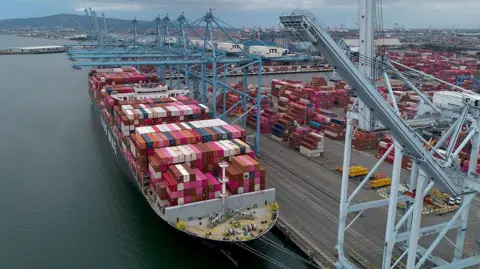
This outlook was released in the wake of U.S. President Donald Trump's threats to impose tariffs on eight European countries that oppose his controversial proposal to acquire Greenland. The IMF emphasized the critical importance of central bank independence for ensuring economic stability and growth.
According to Pierre Olivier Gourinchas, the IMF's chief economist, although the global economy is experiencing resilient growth, the disruptive effects from trade conflicts, including Trump's tariffs, are significant. He stated, The global economy has been shaking off the trade disruptions of 2025, and it's coming out ahead of what we were expecting. However, he warned that should AI growth expectations be overly optimistic, it might lead to abrupt market corrections.
Gourinchas cautioned that even minor market corrections could impact consumer behavior and investment plans, especially given that share price gains have significantly contributed to wealth accumulation in recent years. Additionally, trade tensions could escalate, prolonging uncertainty and negatively affecting economic activity.
Looking at the UK specifically, the IMF predicts growth of 1.3% for the current year and 1.5% in 2027, positioning it as the fastest-growing economy in Europe within the G7 group.
As the IMF continues to monitor global conditions, it has reiterated that preserving the autonomy of central banks is imperative to avoid fiscal dominance and stabilize inflation expectations, stated in the report as a key element in achieving macroeconomic stability.
In conclusion, while the IMF's current projections indicate robustness in the global economy, it highlights significant risks, including trade tensions and evolving market dynamics concerning AI investments, as potential disruptors to sustained growth.