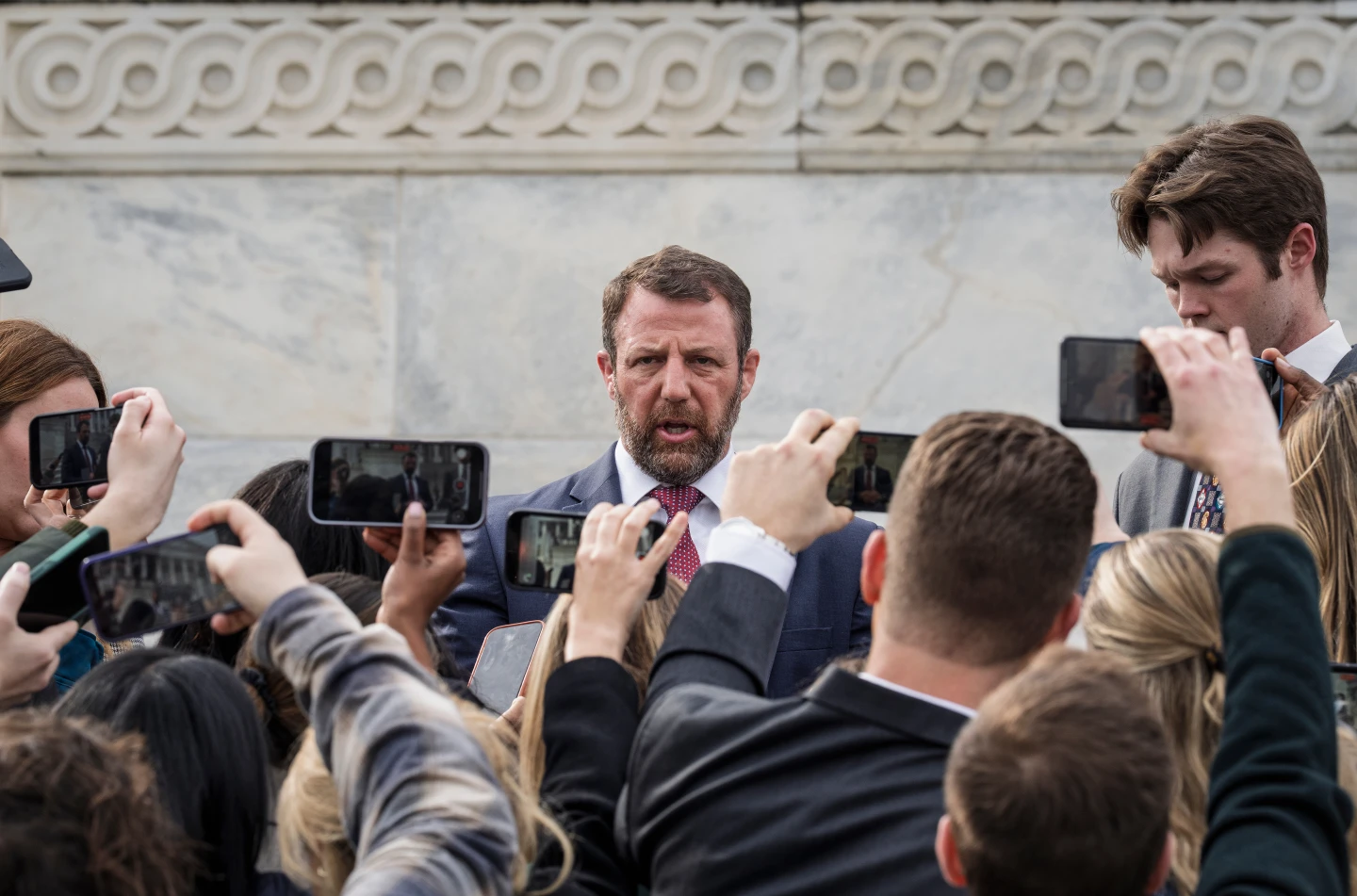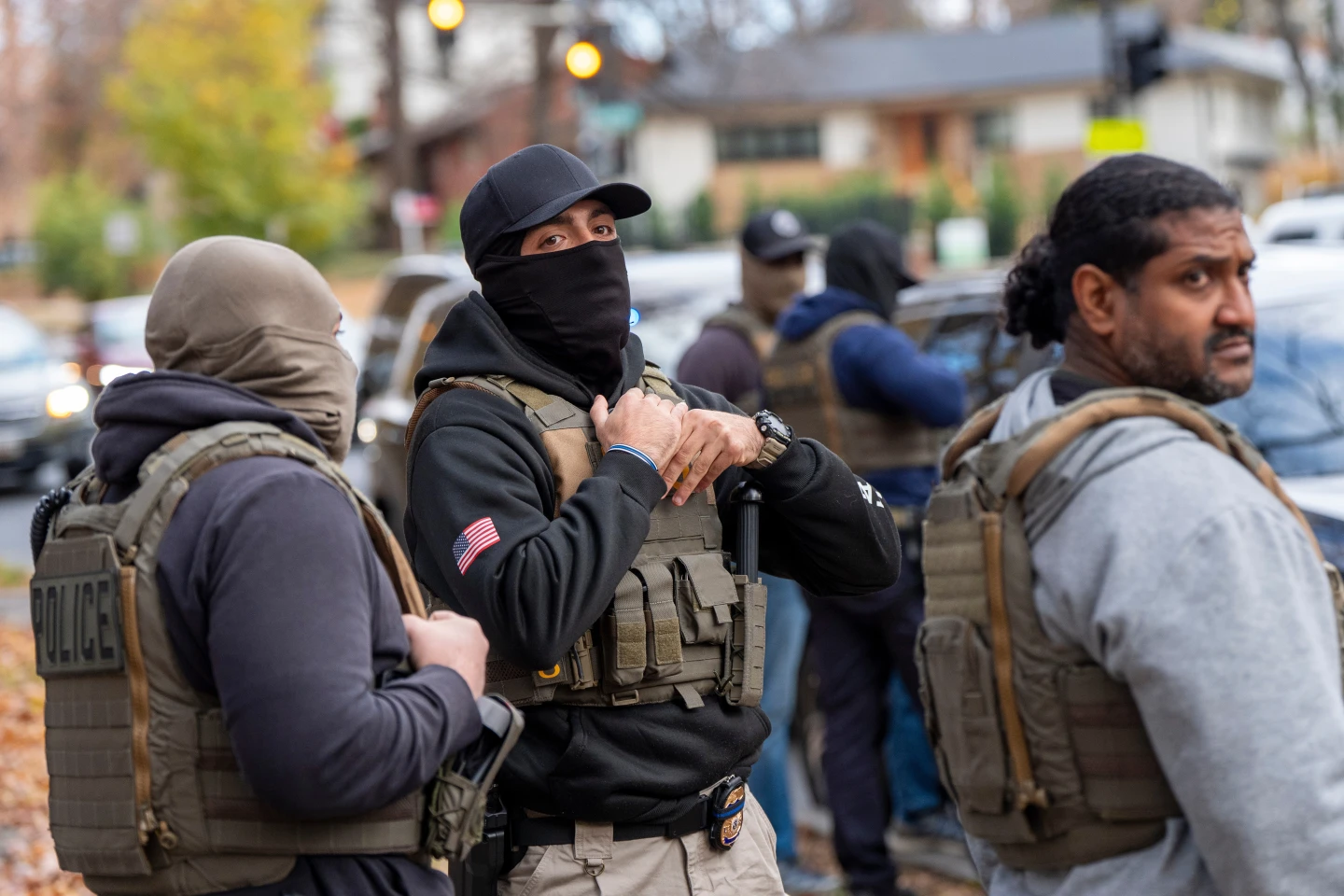
WASHINGTON (AP) — When President Donald Trump initiated a law enforcement operation in Washington, D.C. approximately four months ago, it was marketed as a measure to combat rampant crime. However, community leaders and activists argue that the reality has morphed into a concerning crackdown on immigrants, who now navigate a climate of fear regarding their safety and residency status.
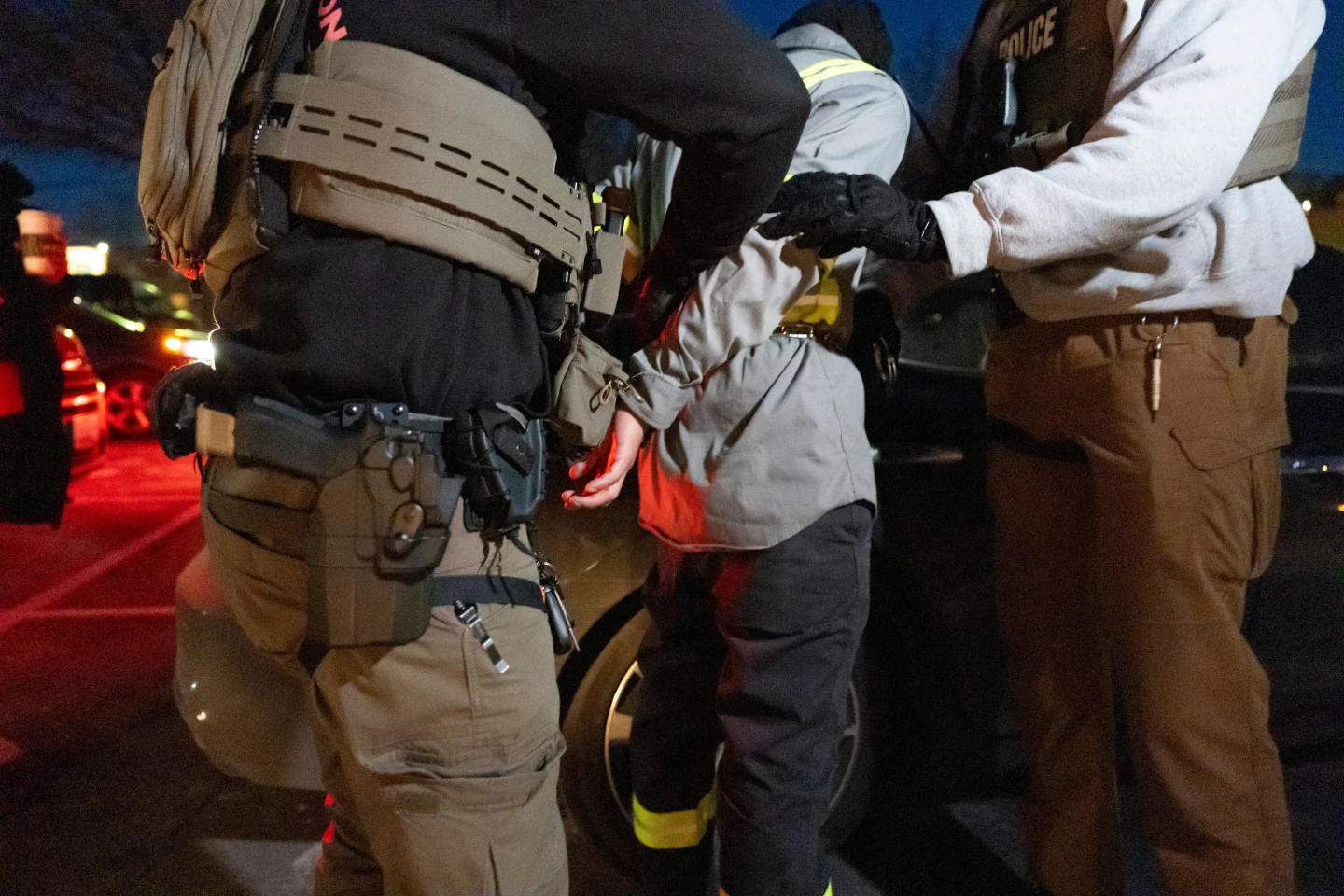
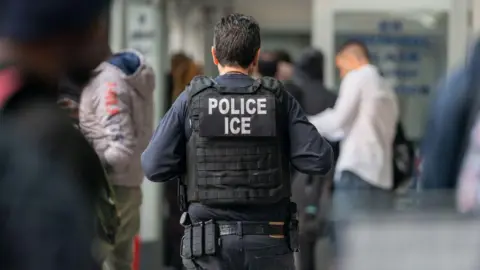
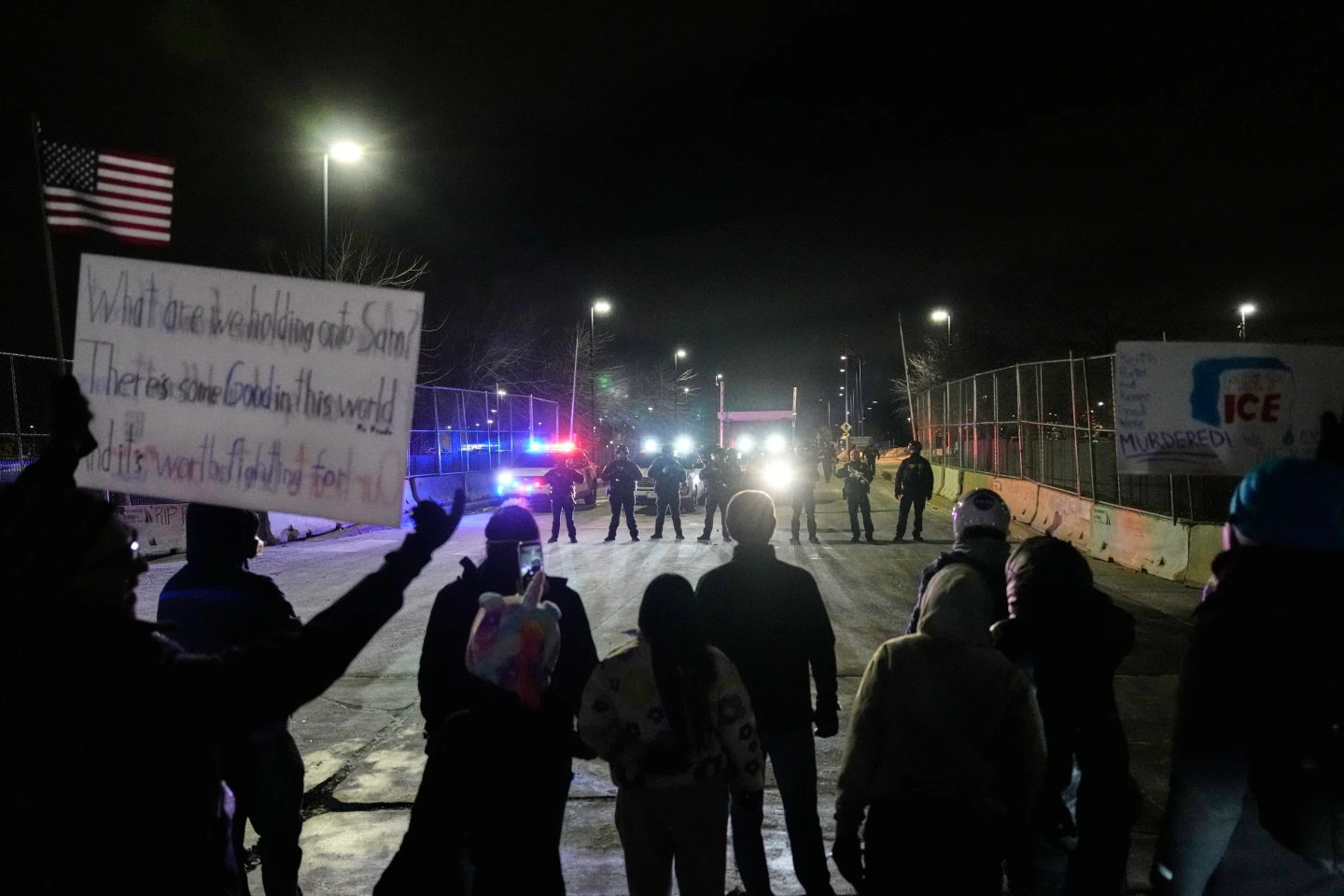
According to official data analyzed by The Associated Press, nearly one-third of all arrests made during the operation are related to immigration issues. Immigrant communities have reported alarming frequencies of arrests, with lawsuits alleging that many detentions are unlawful. The momentum of these immigration arrests shows no signs of waning, drawing concerns from local activists.
The ongoing immigration enforcement has become a troubling norm, highlighted by Washington Council member Brianne K. Nadeau who stated: Immigration enforcement sweeps are not making the nightly news anymore because it’s business as usual.”
Operation Under the Guise of Crime Fighting
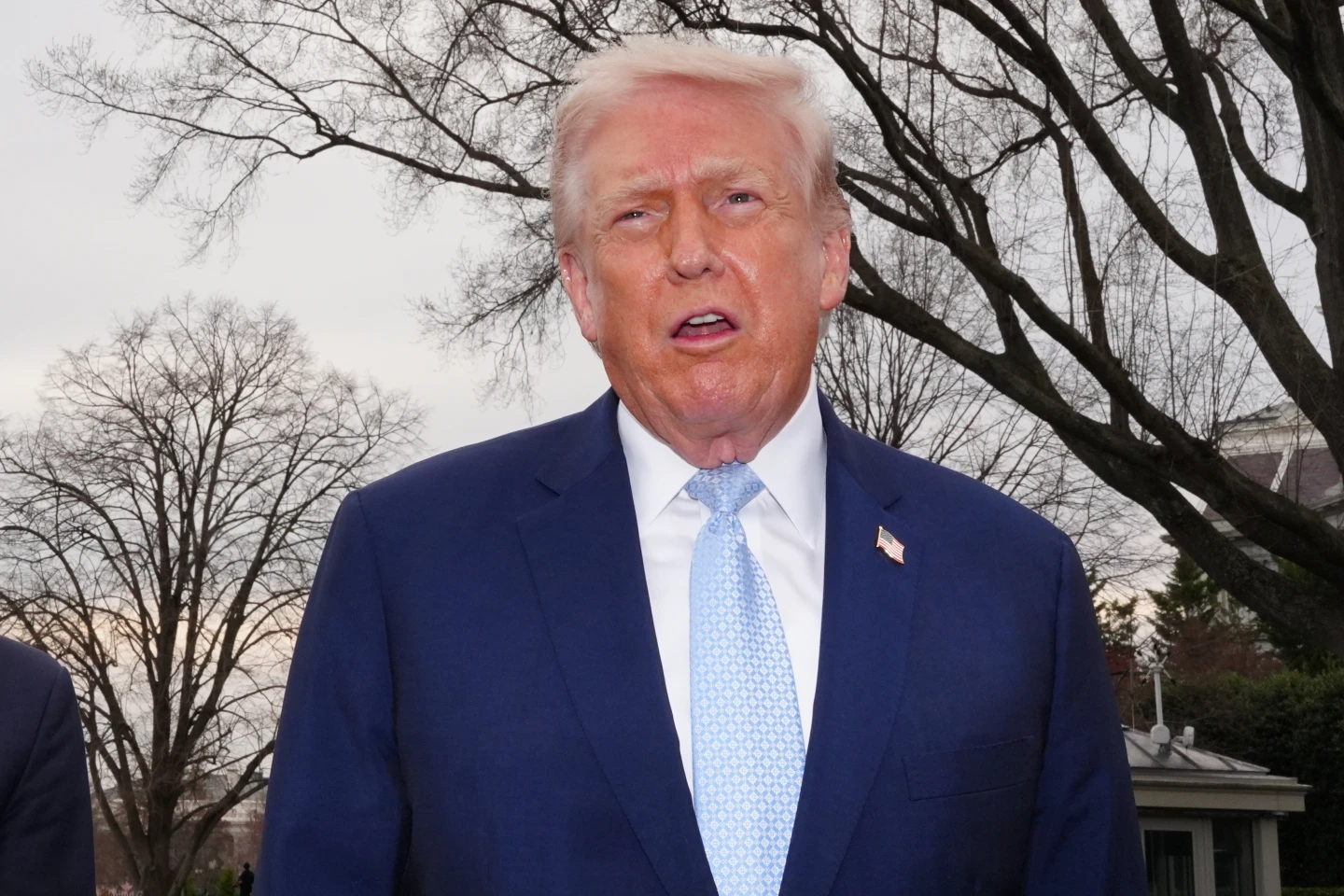
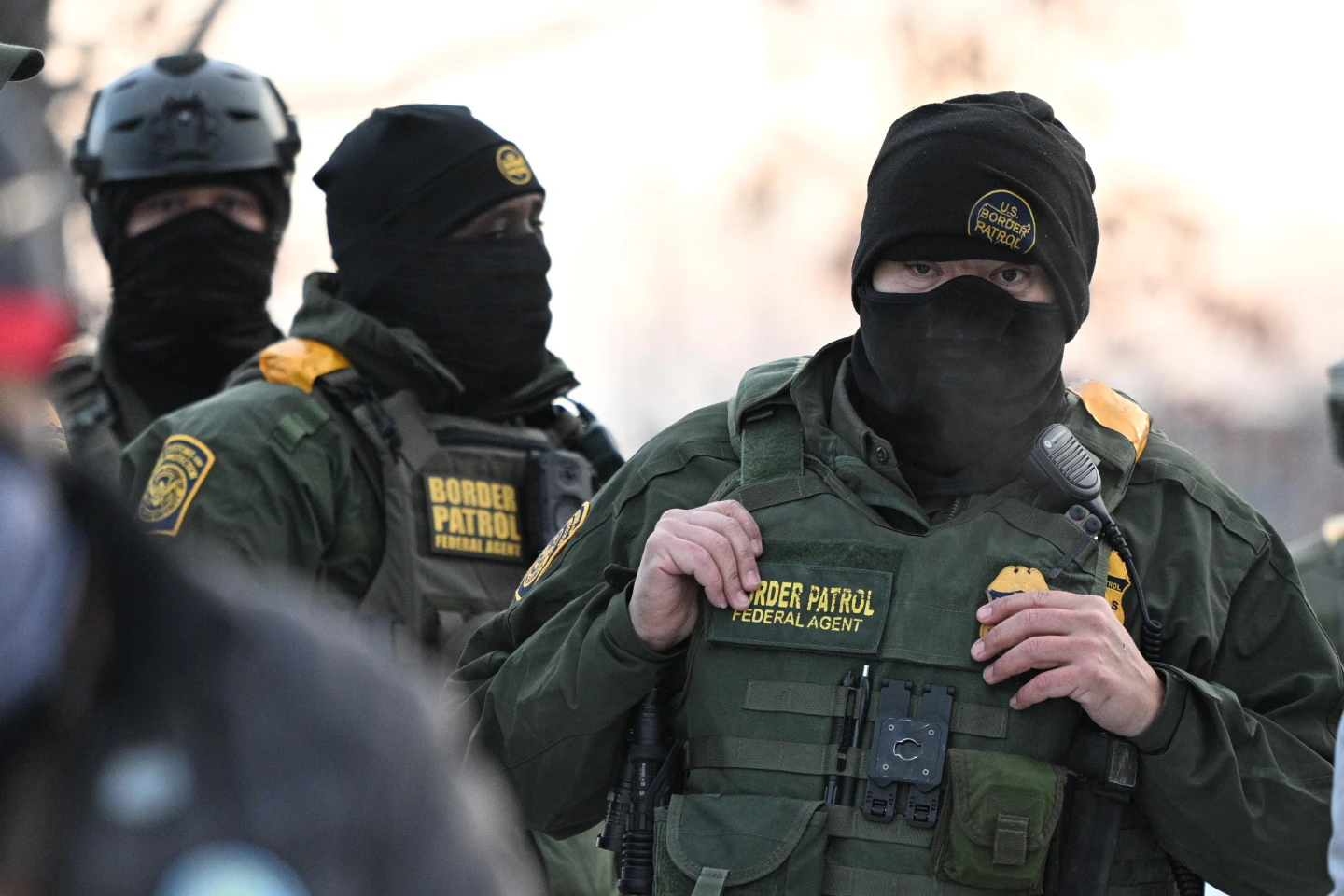
Launched in mid-August, Trump’s federal intervention took control of the city’s police force, deploying federal agents and hundreds of National Guard troops. This mission was branded as an essential step in crime reduction, despite a pre-existing decline in crime rates. Statistics reveal that out of over 7,500 arrests made since the operation's inception, around 33% were immigration-related. A previous analysis indicated that this percentage could rise to 40% in some months.
The White House maintains that the operation is about addressing crime, irrespective of immigration status, emphasizing that many individuals taken into custody had criminal records or outstanding warrants.
The Harrowing Reality for Immigrant Communities
Even after the initial emergency order lapsed in September, law enforcement activities have persisted, with reports of unchecked arrests and targeted location sweeps near schools and areas with high populations of Hispanic residents. Witnesses shared their distressing accounts at municipal hearings, with one Bolivian immigrant recounting multiple family detentions, leading to an absent presence around family gatherings.
“Every single day my neighbors are being harassed, assaulted and kidnapped,” Leah Tribbett remarked, painting a grim picture of the immigrant experience in the current climate. This sentiment has forced some families to consider forgoing essential services for fear of retribution.
Legal Challenges and Community Response
A federal judge recently intervened to block the Trump administration from conducting broad immigration arrests in D.C. without proper warrants. The ACLU, alongside other plaintiffs' attorneys, alleges that federal operatives used discriminatory tactics, particularly in Hispanic neighborhoods, leading to arbitrary detentions.
Local leaders express their frustration, recognizing their limited power in a federally controlled district. “We do not have the same levers of power and control, nor the same rights, as a district that every one of the 50 other states have to protect our residents,” lamented city council member Brooke Pinto.
The ongoing hearings and community outcry underscore a pressing need for rights and protections for immigrants amid prevailing federal policies that continue to invoke fear and uncertainty.